

Introduction
Thinking of building a hardware product? Many founders jump straight into development and waste thousands of dollars, months of time, or worse — end up with a product nobody wants.
In this guide, we’ll break down the step-by-step process so you can save money, avoid mistakes, and get a working prototype fast.
Why Most Hardware Startups Fail
Common reasons:
-
Lack of validation → building a product nobody needs
-
Overcomplicated design → high costs
-
Wrong technology choice → battery, connectivity, or performance issues
Knowing these pitfalls early can save you $5000+ before you even start.
1. Validate Your Idea First
Why Validation Matters
- Confirms real demand
- Saves money and time
- Helps design a better prototype
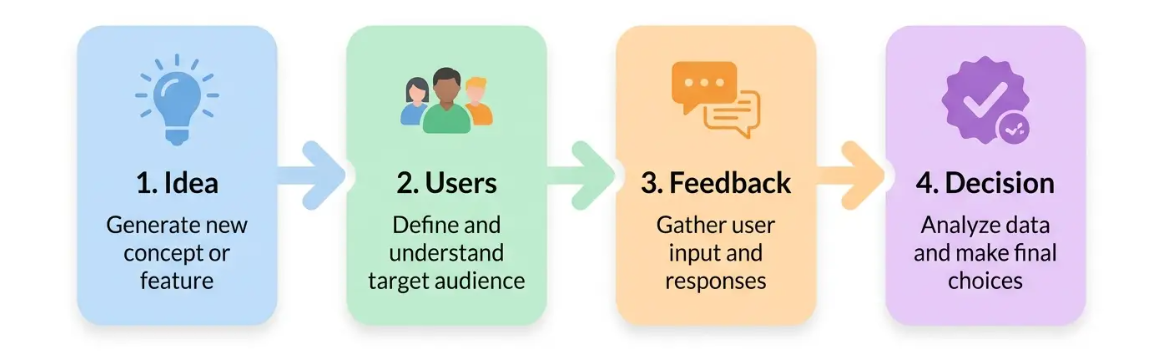
How to Validate:
- Talk to 10–20 potential users
- Build a simple landing page with a form
- Run small ads to gauge interest
If no one is interested, don’t build yet.
2.Understand Real Hardware Costs
| Item | Estimated Cost |
|---|---|
| PCB Design | $200 – $2000 |
| Components | $50 – $500 |
| Firmware Development | $500 – $5000 |
| Prototyping | $200 – $1500 |
| Testing & Iteration | Variable |
4. Start with a Minimum Viable Prototype (MVP)
| ❌ Full Product Approach | ✅ MVP Approach |
|---|---|
| Build everything at once | Focus on core functionality |
| Add all features upfront | Ignore unnecessary features |
| High cost & long timeline | Low cost & faster development |
| Hard to fix mistakes | Easy to iterate & improve |
5. Test, Fail, Improve
- Expect 2–5 iterations
- Test in real-world environment
- Fix issues before scaling
Early failure is better than mass production failure.
Conclusion
Building a hardware product is not just about engineering — it’s about strategy, planning, and smart execution.
Follow these steps to:
- Save money
- Avoid mistakes
- Launch successfully
Need Help?
If you’re planning to build a hardware product:
We can help with:
- Idea validation
- PCB & firmware design
- Full product development
Let’s turn your idea into a working product