
Introduction
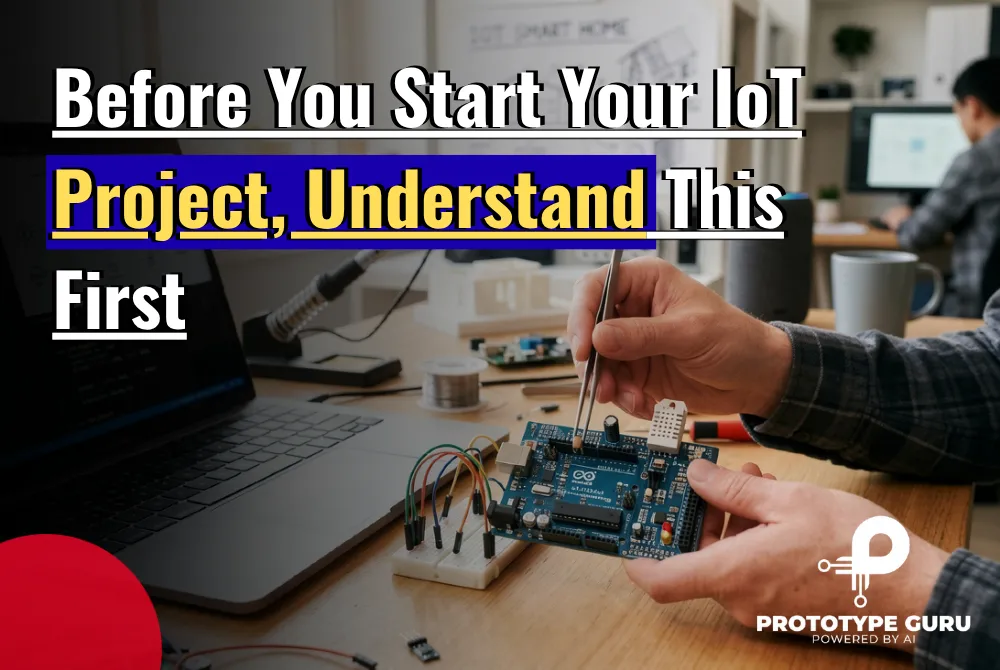
Bringing a product idea into reality is an exciting journey, especially in consumer electronics where innovation moves fast and competition is global. However, one of the biggest challenges startups and engineering teams face is controlling prototype development costs while still maintaining high-quality performance and reliability. Poor planning, repeated design changes, and unclear requirements often lead to unnecessary expenses that can slow down time-to-market and reduce overall product success.
At our prototyping and product development service, we focus on transforming ideas into market-ready consumer electronics with a structured engineering approach. From concept design, PCB development, and embedded systems to manufacturing support and certification, every step is optimized to reduce waste and improve efficiency. This article explains practical strategies used by experienced engineers to minimize prototype costs without compromising quality, performance, or scalability for future production.
1. Smart Planning and Clear Product Definition
Reducing prototype cost begins with a clear and well-defined product concept. Many projects become expensive because requirements are not finalized early, leading to repeated revisions in mechanical design, electronics, and firmware. A strong foundation ensures that every engineering decision aligns with the final product goal. When teams invest time in planning system architecture and defining product specifications, they significantly reduce redesign cycles and avoid unnecessary prototyping iterations.
Another important factor is selecting the right development approach. Instead of jumping directly into full-scale hardware production, smart teams use modular prototyping methods. This allows them to test individual components like PCB design, embedded firmware, and mechanical enclosures separately before integrating them. This structured workflow reduces failure risk and ensures each subsystem performs efficiently before final assembly.
Key Cost Reduction Strategies
A well-planned prototype strategy not only saves money but also improves product reliability. When engineers focus on validation before production, they can identify design flaws early in the process. This reduces risk and ensures that the final product meets performance expectations without costly late-stage changes.
Cost efficiency is not about cutting corners; it is about making smarter engineering decisions. With proper planning and structured development workflows, teams can significantly reduce prototype expenses while maintaining industrial-grade quality and scalability.
2. Design Optimization for Manufacturability and PCB Efficiency

One of the most effective ways to reduce prototype cost is through Design for Manufacturability (DFM) and Design for Assembly (DFA). These engineering practices ensure that the product is designed in a way that simplifies manufacturing and reduces production complexity. By considering manufacturing constraints early in the design phase, companies can avoid expensive redesigns later.
Another key approach is optimizing PCB design and electronic hardware architecture. Poorly optimized PCB layouts often lead to signal issues, power inefficiencies, and repeated fabrication cycles. By using professional PCB design tools and adhering to best practices, engineers can reduce board size, improve performance, and minimize production costs significantly.
Core Optimization Techniques
Core optimization techniques help reduce PCB cost and improve manufacturability and performance.
- DFM optimization: Ensures efficient manufacturing with fewer errors and lower cost.
- DFA optimization: Simplifies assembly and reduces labor cost.
- Compact PCB layout: Reduces material usage and improves space efficiency.
- Component standardization: Reduces sourcing cost using widely available parts.
- Power optimization: Improves efficiency and reduces heat issues.
- Early manufacturability review: Prevents expensive redesigns before production.
Proper design optimization also improves product durability and long-term reliability. When components are selected carefully and layouts are optimized, the prototype becomes more stable and closer to final production quality. This reduces the gap between prototype and mass production versions.
Cost reduction at this stage is highly impactful because changes in PCB or mechanical design after fabrication can be expensive. Therefore, investing in expert design review and optimization ensures fewer iterations and a smoother transition to production.
3. Rapid Prototyping, Testing, and Validation
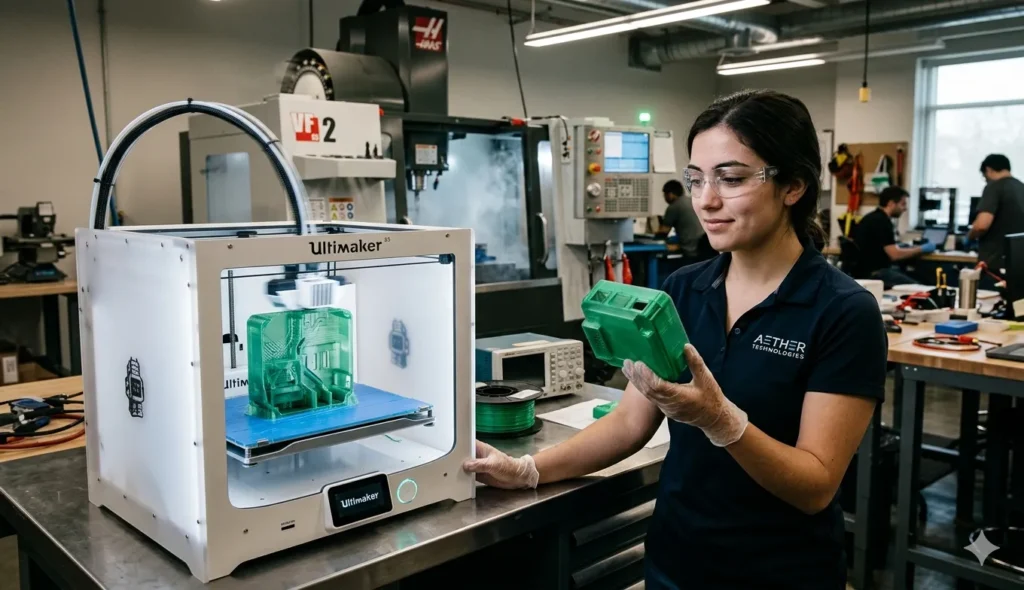
Rapid prototyping plays a crucial role in reducing development costs by enabling fast validation of product ideas. Instead of waiting weeks or months for full production tooling, engineers can quickly create functional prototypes using 3D printing, CNC machining, and PCB assembly services. This allows early detection of design flaws.
Testing and validation are equally important in this phase. A prototype is not just a physical model; it must be tested under real-world conditions to ensure performance reliability. Functional testing helps identify issues in embedded firmware, hardware integration, and mechanical design before scaling up production.
Rapid Development Methods
3D printing for enclosures
Fast and cost-effective method for mechanical validation, allowing quick iteration of enclosure designs before final production.
CNC machining
Provides high-precision prototype parts for functional testing, ensuring accurate fit, durability, and performance validation.
PCB assembly (PCBA)
Enables quick electronics validation and debugging, helping identify circuit issues early in the development cycle.
Proof of concept models
Early-stage prototypes used to validate product feasibility and confirm core functionality before full-scale development.
Functional testing
Ensures real-world performance reliability by testing product behavior under actual operating conditions.
Iterative prototyping
Continuous improvement approach where each version of the prototype is refined based on testing and feedback.
Rapid prototyping significantly reduces development risk by allowing engineers to fail early and cheaply. Instead of discovering issues after mass production, problems are identified during the prototype phase where corrections are less expensive.
This approach also improves communication between design teams and stakeholders. Working prototypes provide tangible proof of concept, making it easier to secure funding, approvals, and manufacturing partnerships.
4. Embedded Systems and Software Development Efficiency

Embedded systems and software development are often underestimated cost factors in prototyping. Poor firmware design or unoptimized code can lead to performance issues that require hardware redesign. Therefore, integrating embedded development early in the process is essential for cost control.
IoT connectivity, mobile applications, and cloud integration also play a major role in modern consumer electronics. These features must be planned carefully to avoid unnecessary complexity. A well-structured software architecture ensures smooth communication between hardware and digital platforms.
Careful planning in embedded systems reduces debugging time and improves system stability. When firmware and hardware are developed in parallel, integration becomes smoother and more efficient.
5. Manufacturing, BOM Optimization, and Pilot Production
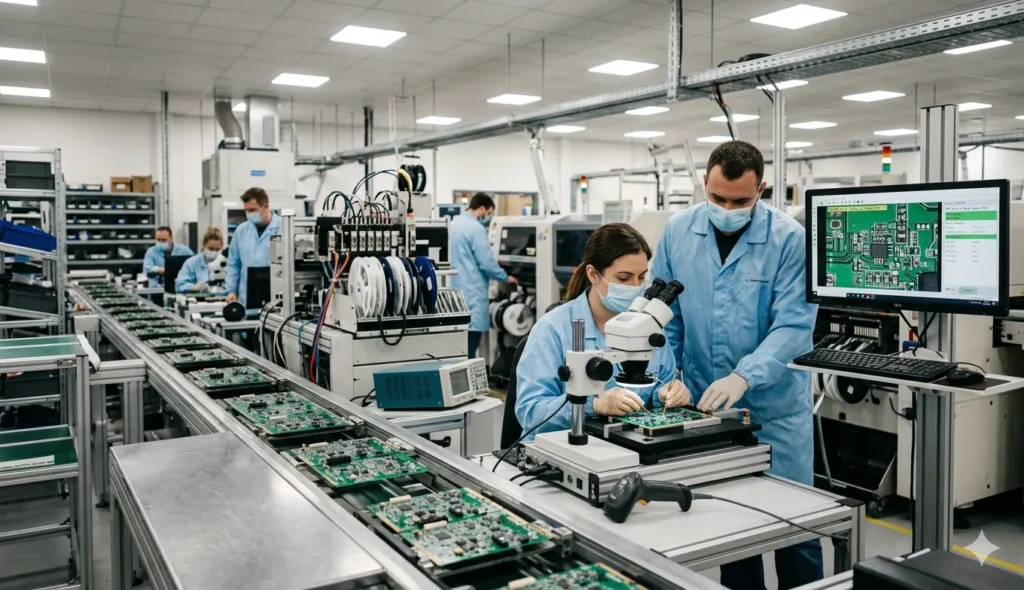
Manufacturing and production planning are critical stages where many companies either save or lose significant money. Choosing the right manufacturer and optimizing BOM (Bill of Materials) ensures that production remains cost-effective. Early sourcing decisions directly impact final product pricing.
Pilot production is another important step that allows small-scale manufacturing before mass production. It helps identify production issues, quality inconsistencies, and assembly challenges. This reduces risks before full-scale manufacturing begins.
Manufacturing Optimization Table
| Area | Optimization Strategy |
|---|---|
| Supplier Selection | Choose reliable global manufacturers to ensure quality, reduce risk, and maintain consistent supply chain performance. |
| BOM Optimization | Reduce overall cost by intelligent component substitution while maintaining performance and reliability standards. |
| Pilot Production | Conduct small batch testing before scaling to identify design issues early and avoid costly mass production errors. |
| Mass Production | Efficient scaling with minimal waste through optimized manufacturing processes and streamlined assembly workflows. |
| Quality Control | Continuous inspection and testing throughout production to ensure consistent product reliability and defect prevention. |
Proper production planning ensures smooth transition from prototype to market-ready product. It reduces unexpected costs and improves supply chain efficiency.
A structured manufacturing approach ensures consistent product quality while maintaining competitive pricing in the global market.
6. Compliance, Quality Assurance, and Documentation
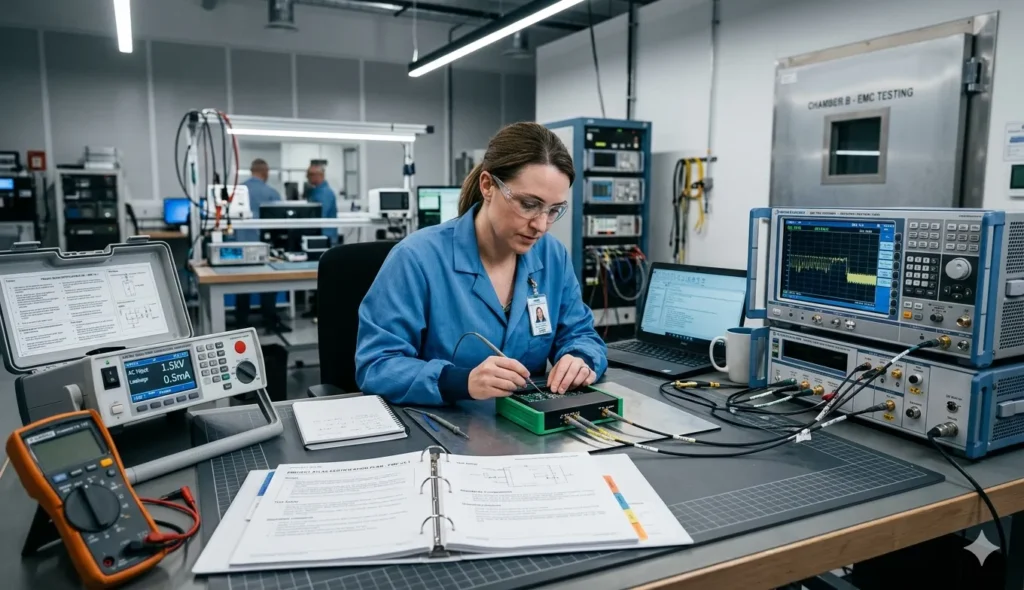
Product launch success depends heavily on branding, documentation, and compliance. Many startups underestimate the cost of regulatory certification, which can lead to delays and extra expenses. Planning compliance early ensures smooth approval processes.
Quality assurance and testing are essential for maintaining product reliability. EMC/EMI testing, safety compliance, and environmental testing ensure that the product meets international standards.
Technical documentation also plays a major role in scaling production. Proper documentation ensures that manufacturers understand product specifications clearly, reducing errors during mass production.
Compliance & Quality Focus Areas
Strong compliance planning reduces risk of product rejection in international markets. It ensures faster approval and smoother product launch.
A well-documented and certified product builds trust with customers and manufacturers, improving long-term success.
7. Strategic Engineering and Global Collaboration

A strong product development strategy requires coordination between engineering, design, and manufacturing teams. Without proper communication, projects often face delays and cost overruns. Integrated workflows ensure that all teams work towards a common goal.
Global manufacturing networks provide access to cost-effective production options. By leveraging international suppliers and engineering partnerships, companies can significantly reduce production expenses.
Strategic Development Benefits
- Faster time-to-market through collaboration
- Reduced development cost via global sourcing
- Improved product quality through expert review
Proper coordination between teams ensures fewer errors and smoother project execution. It also improves scalability and long-term product success.
When strategy, engineering, and manufacturing align, prototype development becomes more efficient and cost-effective.
8. Final Thoughts: Cost Reduction Without Quality Loss

Reducing prototype cost without sacrificing quality is ultimately about smart engineering decisions. From initial concept to final production, every stage must be carefully planned and optimized. Small improvements in design, testing, and manufacturing can lead to significant cost savings.
By following structured development processes and leveraging expert engineering support, companies can bring products to market faster and more efficiently. The key is not to reduce quality but to eliminate waste in the development cycle.
Consistent optimization, early validation, and strong planning ensure that every prototype evolves into a successful market-ready product with minimal cost and maximum performance.