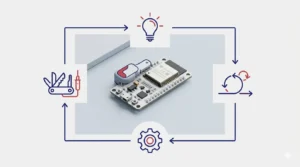

Cheap hardware development often seems appealing at the start of a project, especially for startups or individuals with limited budgets. Lower upfront costs create an illusion of efficiency, making it appear that the project is progressing quickly while saving money. However, this approach frequently overlooks critical aspects such as quality control, proper testing, and long-term reliability. As a result, the initial savings are often offset by future expenses arising from poor design decisions, unreliable components, and rushed execution.
In reality, hardware development is a complex process requiring careful planning, precision, and investment in the right areas. Cutting corners to reduce costs multiplies risks across the entire product lifecycle. Issues such as product failures, increased maintenance, and customer dissatisfaction begin to surface, leading to higher overall expenses. What initially seems cost-effective often turns into a financial burden, proving that cheap development is rarely economical in the long run.
Poor Planning Leads to Expensive Fixes
Starting a hardware project without proper planning is one of the most common reasons why cheap development becomes costly later. Rushing into building prototypes without defining clear requirements often causes teams to miss critical design considerations. This results in multiple redesign cycles, consuming both time and money. Each iteration requires new materials, testing, and engineering effort, significantly increasing the overall project cost beyond the initial estimate.
Additionally, inadequate planning often leads to component incompatibility, inefficient layouts, and performance limitations. These problems may not appear early but emerge during testing or after deployment. Fixing such issues later is far more expensive than addressing them during the planning phase, making early investment in proper design crucial for cost control.
Key Problems Caused by Poor Planning:
Planning is the foundation of successful hardware development. Skipping this step to save money often leads to confusion, inefficiencies, and costly mistakes. A well-defined roadmap ensures smoother execution and minimizes unexpected expenses during later stages.
Investing time and resources in proper planning may seem expensive initially, but it significantly reduces the risk of failure. Clear requirements, structured workflows, and realistic budgeting help maintain control over the entire development process.
Low-Quality Components Create Long-Term Losses

Using low-cost components is a common strategy to reduce initial expenses in hardware development. However, these components often lack durability, precision, and reliability. Over time, they are more likely to fail, increasing maintenance costs and product returns. This not only affects finances but also damages the product’s reputation in the market.
Low-quality parts can also impact overall device performance. Inconsistent behavior, overheating, and reduced lifespan are common issues associated with cheaper components. These problems may not appear immediately but can emerge after the product reaches customers, making them harder and more expensive to fix.
Risks associated with using low-quality components in hardware products include:
- Frequent Failures: Low-grade materials break down faster, increasing repair and replacement costs.
- Poor Performance: Inconsistent output affects user experience and product reliability.
- Higher Maintenance Costs: Continuous repairs add up over time, exceeding initial savings.
- Short Product Lifespan: Devices fail earlier, reducing overall value and customer trust.
- Increased Warranty Claims: Faulty components lead to higher return rates and support costs.
- Brand Reputation Damage: Poor-quality products negatively impact brand image and loyalty.
Choosing quality components may increase upfront costs, but it ensures reliability and long-term savings. Durable and well-tested parts reduce failures and improve customer satisfaction, making them a smarter investment.
Lack of Proper Testing Increases Risks

Skipping thorough testing is another way companies try to cut costs, but it often leads to serious consequences. Testing identifies design flaws, performance issues, and potential failures before the product reaches the market. Without it, defects remain hidden until they affect real users, resulting in expensive recalls and repairs.
Consequences of Inadequate Testing
Testing ensures that hardware performs as expected under real-world conditions. Skipping this step compromises product quality and reliability, leading to costly consequences after launch.
Investing in testing early helps identify and fix issues before they escalate, reducing long-term costs and ensuring a smoother product lifecycle.
A well-tested product builds trust with customers and reduces returns. It also strengthens the brand’s reputation in a competitive market.
Hidden Operational Costs
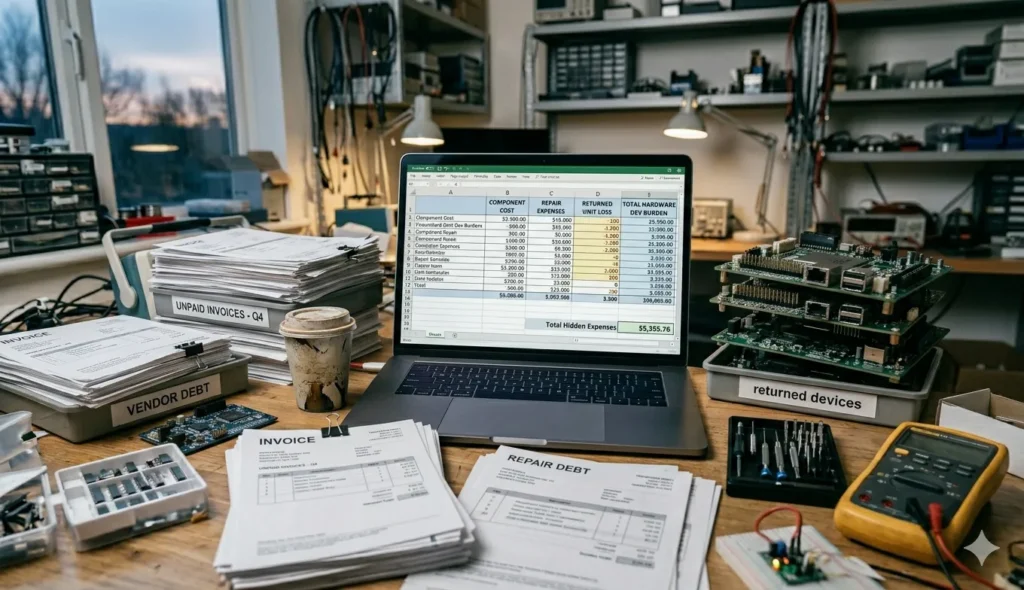
In hardware development, opting for a low-cost approach may seem attractive initially, but it often comes with hidden operational costs that only appear later in the project lifecycle. These expenses, though less obvious, can significantly impact your budget and project timeline if not properly considered. Hidden costs typically include ongoing maintenance, unexpected repairs, and customer support requirements. A prototype or product built cheaply may fail prematurely, causing repeated interventions that accumulate substantial costs over time.
Another critical hidden cost is the time and labor required to fix avoidable issues. Poor planning, substandard components, or rushed development can create systemic problems that delay production and delivery schedules. Engineers may need to revisit the design, debug firmware, or replace malfunctioning components—each step adding to project expenses. Additionally, delays in shipment or manufacturing can affect customer satisfaction and market competitiveness, indirectly increasing costs and reducing revenue potential.
| Type of Operational Cost | Description | Impact on Expenses |
|---|---|---|
| Maintenance & Repairs | Continuous fixing of hardware issues after deployment | High long-term costs |
| Customer Support | Assistance for customers facing product issues | Increases staffing and service costs |
| Time Spent on Issue Resolution | Time wasted fixing avoidable problems due to poor planning | Delays and labor cost escalation |
| Production & Delivery Delays | Delays caused by inadequate design or low-quality components | Higher overhead and missed deadlines |
| Hidden Long-Term Costs | Accumulated operational costs over the product lifecycle | Often exceed initial savings |
Impact on Product Scalability
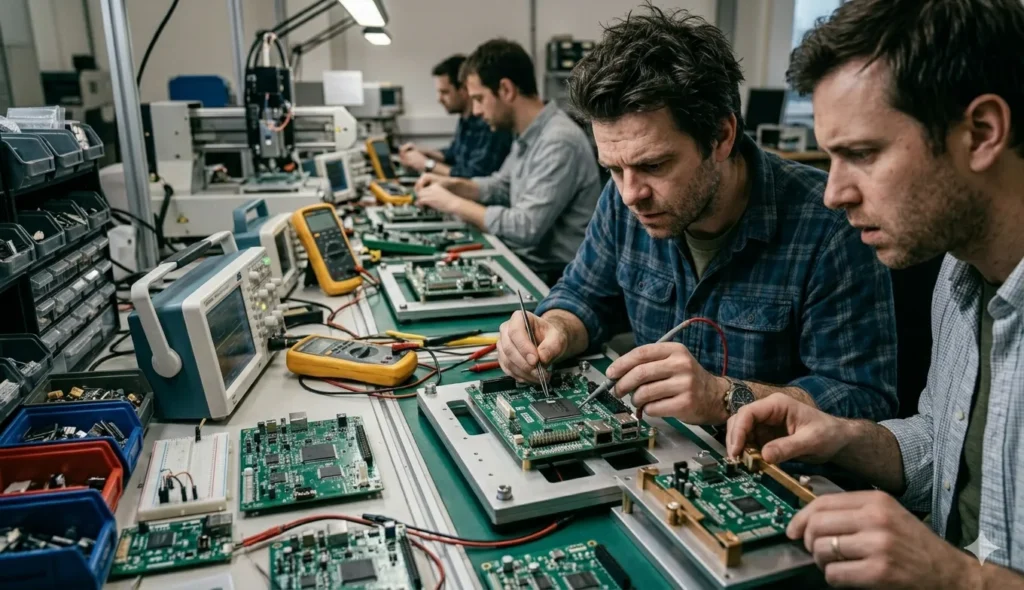
Cheap hardware development can limit the ability to scale production effectively. Designs not optimized for manufacturing often require significant changes when moving from prototype to mass production, increasing costs and delaying product launch timelines.
Scalability issues can also arise from poor component choices and inefficient design structures. As demand grows, these limitations become more apparent, requiring costly redesigns and adjustments.
Cost Comparison: Cheap vs Proper Development
Investing in scalable design ensures smoother growth and reduces future expenses. A well-planned approach supports long-term success and minimizes costly adjustments.
The Cost of Rework and Delays
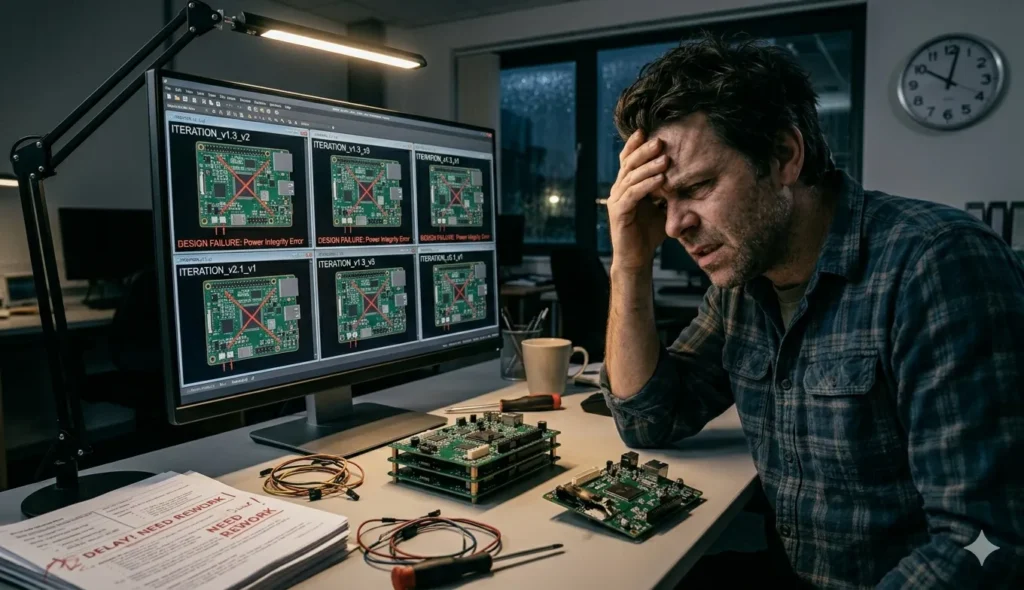
Rework is one of the biggest hidden costs in cheap hardware development. When designs are not done correctly the first time, engineers must revisit and fix issues repeatedly. This increases labor costs and delays the entire project timeline, affecting market opportunities and reducing potential revenue.
Delays also affect coordination between teams, suppliers, and stakeholders. Missed deadlines can lead to penalties, lost partnerships, and reduced customer trust. Constant rework can demotivate teams and reduce productivity, slowing progress and increasing costs.
Key Impacts:
Extra time and effort required to fix repeated issues drives up labor expenses.
Project deadlines are delayed due to rework and inefficiencies in execution.
Materials, components, and time are wasted on repeated fixes and redesigns.
Teams spend more time fixing mistakes than innovating or moving forward.
Project delays affect market launch, client expectations, and potential revenue.
Constant rework and pressure reduce morale and increase burnout risk.
Delays and inefficiencies can result in missed trends and customer demand.
Defective or delayed products frustrate customers, affecting trust and loyalty.
Rework is often the result of poor planning and low-quality execution. Avoiding it requires investing in proper design and testing from the beginning.
Timely project completion is essential for market success. Delays not only increase costs but also reduce competitive advantage.
Efficient workflows and quality control help minimize rework and ensure smooth development processes.
Damage to Brand and Customer Trust

Cheap hardware development can severely impact brand reputation. When products fail or do not meet expectations, customers lose trust in the brand. Negative reviews and word-of-mouth can spread quickly, affecting future sales.
Building a strong brand requires consistent quality and reliability. Cutting costs at the expense of quality undermines these efforts and creates long-term challenges for business growth.
Customer trust is built through reliable products and positive experiences. Poor-quality hardware can quickly damage this trust.
Recovering from a damaged reputation requires significant investment in marketing and product improvements.
Focusing on quality from the start helps build a loyal customer base and ensures long-term success.
Final Thoughts

Cheap hardware development may seem attractive initially, but it often leads to higher costs in the long run. Hidden expenses, poor quality, and repeated fixes outweigh the initial savings.
A strategic approach that prioritizes quality, planning, and testing ensures better results. Investing wisely at the beginning reduces risks and improves overall efficiency.
In the end, smart investment always beats cheap shortcuts.