



Introduction
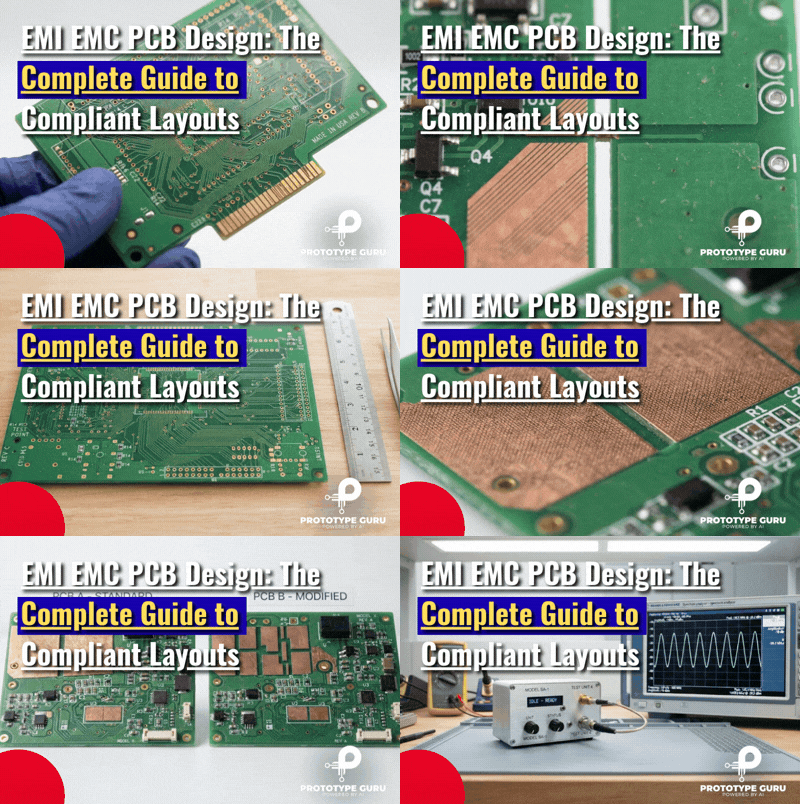
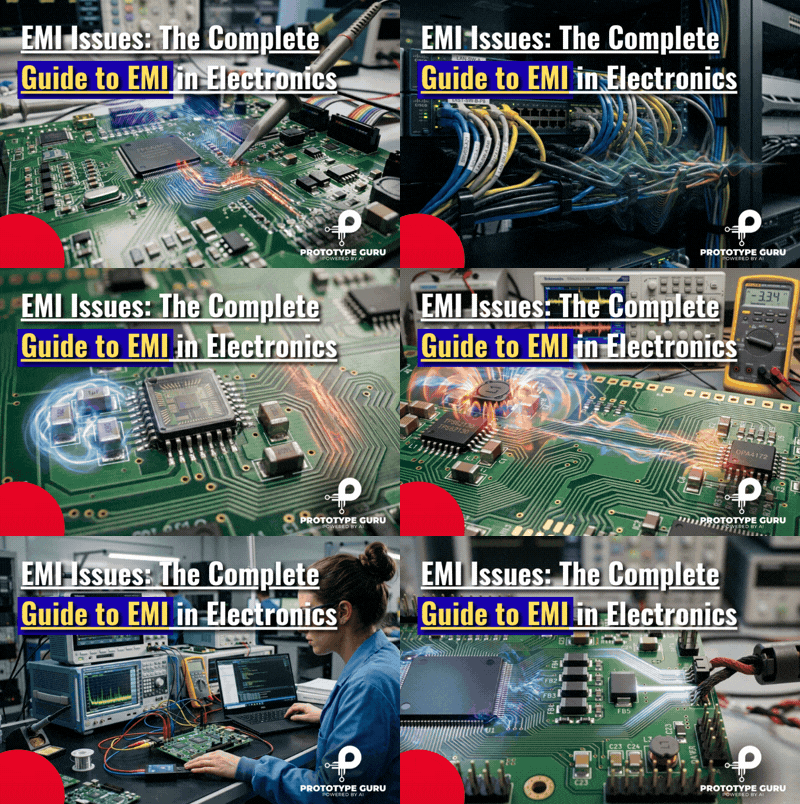
Contemporary electronic systems are rapidly evolving in terms of speed, integration density, and energy efficiency. While these improvements significantly enhance performance and functionality, they also introduce a critical challenge known as electromagnetic interference (EMI). EMI occurs when unwanted electromagnetic energy disrupts the normal operation of electronic circuits, leading to signal degradation, data loss, timing errors, and in severe cases, system malfunction.
In today’s highly interconnected environment, nearly every electronic device acts as both a source and receiver of electromagnetic noise. This makes electromagnetic compatibility (EMC) a crucial requirement in electronic design. To achieve this, engineers rely on specialized EMI Shielding Materials that control electromagnetic wave propagation and protect sensitive electronic components.
These materials are widely used across multiple industries such as automotive electronics, aerospace systems, telecommunications, industrial automation, consumer electronics, and medical devices. Their role extends beyond simple interference reduction; they ensure long-term reliability, regulatory compliance, and stable signal performance.
This article provides a comprehensive engineering overview of EMI Shielding Materials, covering their classification, physical properties, working mechanisms, applications, and design considerations.
Understanding Electromagnetic Interference in Electronic Systems
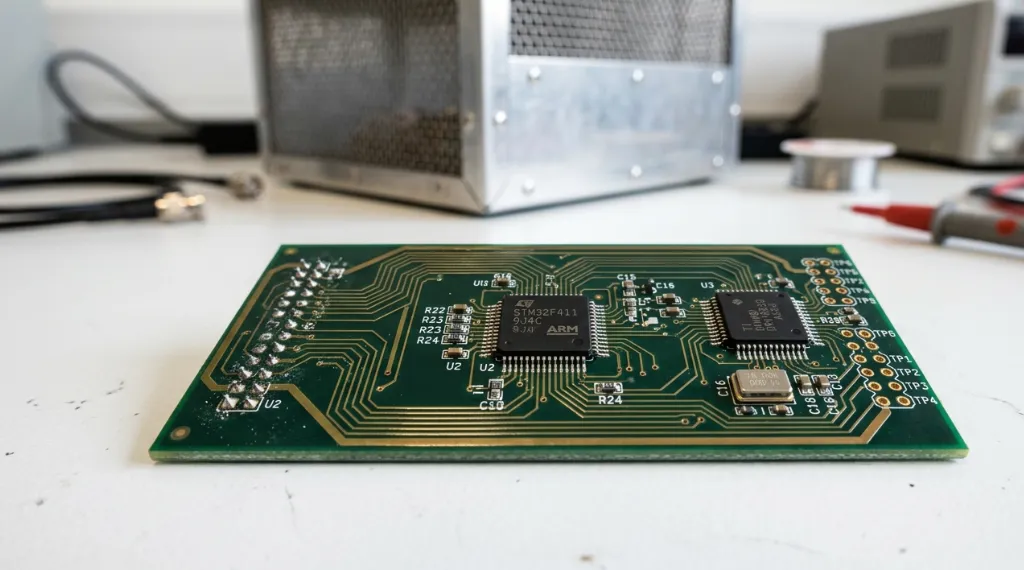
Electromagnetic interference is the unwanted disturbance generated when electromagnetic energy interacts with an electronic system. This interaction can occur through radiation, conduction, or electromagnetic coupling.
Every electronic device generates electromagnetic fields during operation, especially systems involving high-speed switching, RF communication, and power conversion. These fields can interfere with nearby circuits and cause performance issues.
Both natural and artificial sources contribute to EMI. Natural sources include lightning, solar radiation, and atmospheric disturbances, while artificial sources include switching power supplies, wireless communication devices, electric motors, and high-frequency digital circuits.
High-Speed PCB Sensitivity to EMI
↑Role of EMI Shielding Materials in Protection
↓Signal Integrity and Noise Reduction Challenges
↓Engineering Approach to EMI Control in PCB Design
↓Importance of EMI Shielding Materials in Modern Electronics
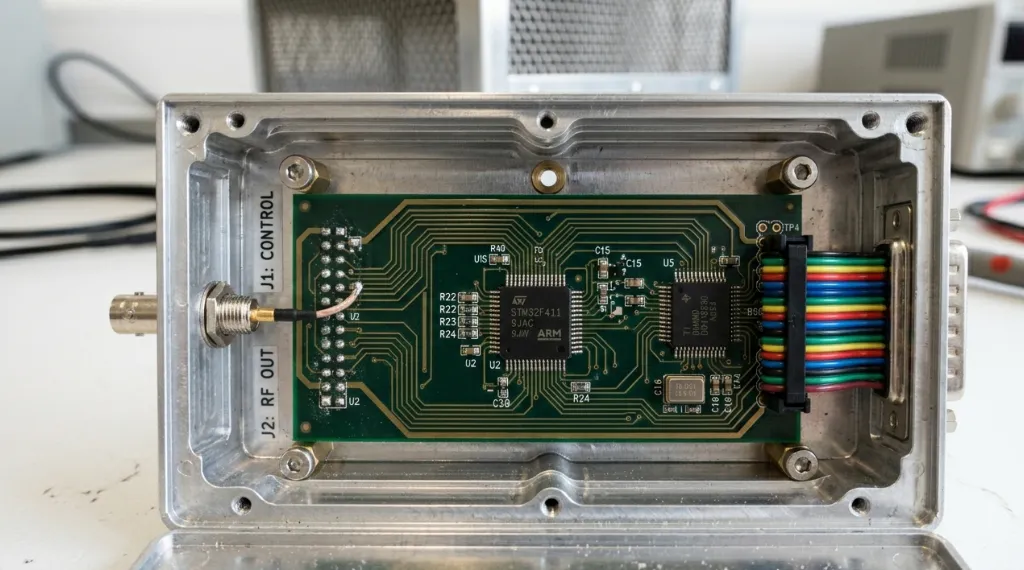
As electronic systems become smaller and more powerful, electromagnetic environments become increasingly complex. Higher circuit density and increased operating frequencies create more opportunities for unwanted electromagnetic coupling.
In such conditions, EMI Shielding Materials are not optional—they are a fundamental part of electronic system design. They ensure that each subsystem operates independently without interference from surrounding components.
Importance of EMI Shielding Materials in Electronic Systems
Signal Integrity in High-Speed Electronics
Modern high-speed digital and RF circuits are highly sensitive to noise. Even minor electromagnetic interference can cause timing errors, data corruption, or communication failures. EMI Shielding Materials help maintain stable and clean signal transmission in electronic systems.
EMC Compliance and Regulatory Standards
Standards such as FCC, CISPR, and MIL-STD define strict limits for electromagnetic emissions. Without proper shielding, electronic products cannot pass certification requirements. EMI Shielding Materials ensure compliance with global EMC regulations.
High-Reliability Aerospace and Medical Systems
Aerospace and medical electronics require extremely high reliability where even small interference can impact safety and performance. EMI Shielding Materials ensure stable operation in critical systems such as navigation, imaging, and control electronics.
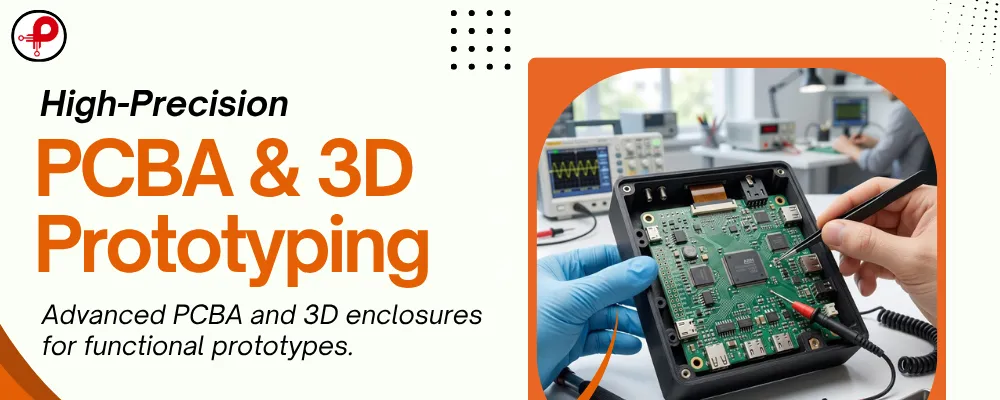
Prototype-Stage EMI Optimization (Prototype Guru Approach)
At Prototype Guru, EMI control is addressed from the early prototype stage instead of final testing. EMI Shielding Materials are integrated into PCB layout, grounding strategy, and enclosure design to reduce redesign costs and improve first-pass success.
Key Properties of EMI Shielding Materials
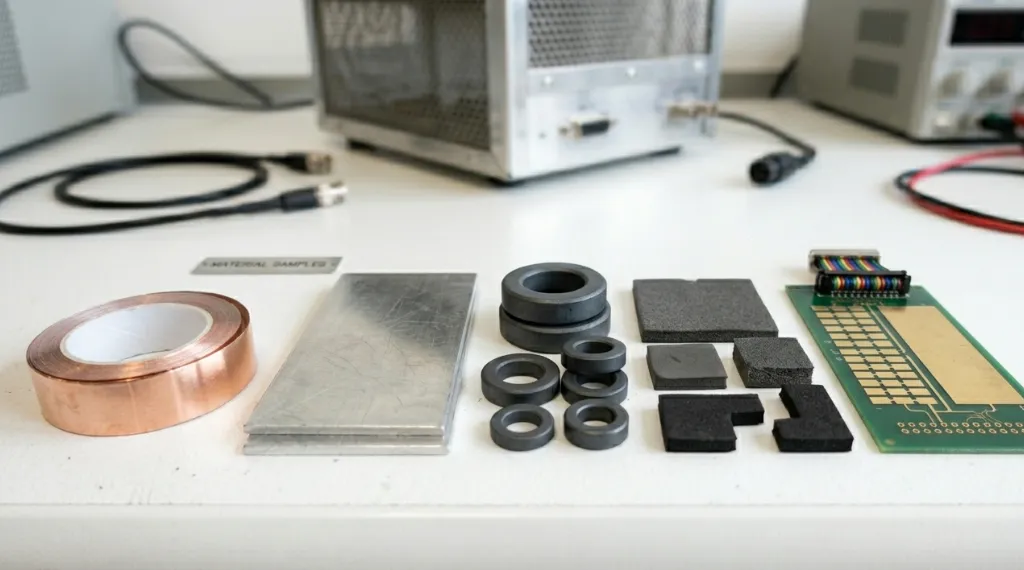
The effectiveness of EMI protection depends on the physical characteristics of the material used. The two most important properties are electrical conductivity and magnetic permeability.
Electrical conductivity determines how effectively a material reflects electromagnetic waves. High-conductivity materials allow free electron movement, which generates opposing electromagnetic fields that reduce incoming interference.
Magnetic permeability defines how well a material interacts with magnetic fields, particularly at low frequencies. Materials with high permeability are capable of absorbing magnetic energy and reducing its impact on nearby circuits.
In EMI Shielding Materials design, electrical conductivity is one of the most important selection factors. Materials with high conductivity efficiently reflect electromagnetic waves and reduce interference in high-frequency electronic systems.
Magnetic permeability and thermal stability play a critical role in shielding performance. Low-frequency magnetic interference and heat generation must be controlled using materials that maintain stability under load conditions.
In harsh environments such as automotive and aerospace systems, EMI Shielding Materials must resist corrosion, vibration, and temperature variation while maintaining long-term structural integrity and shielding efficiency.
Since no single material can provide full-spectrum shielding, engineers use hybrid combinations of metals, coatings, and composites. In modern Prototype development at Prototype Guru, these combinations are tested early to balance performance, cost, and manufacturability.
Classification of EMI Shielding Materials
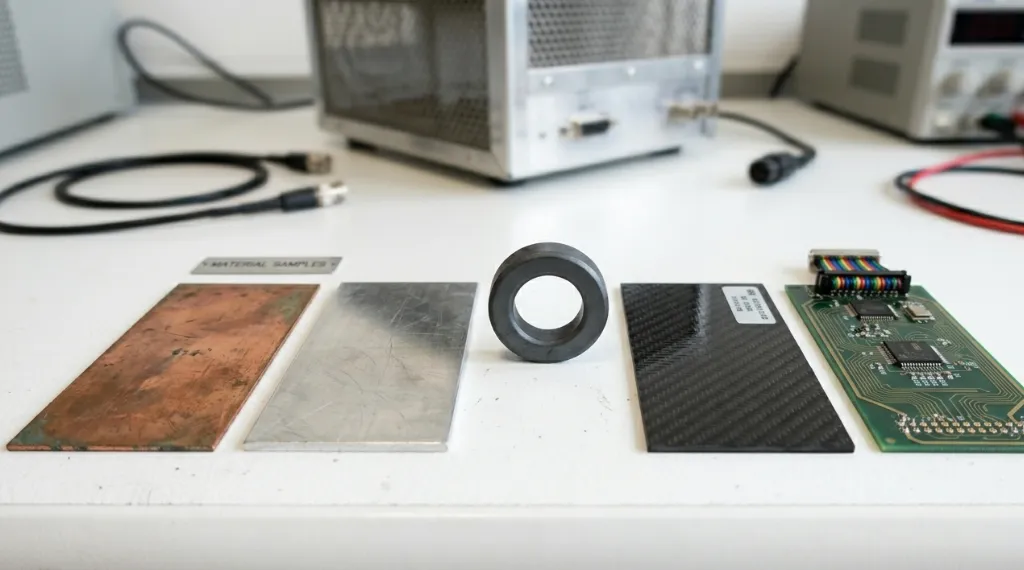
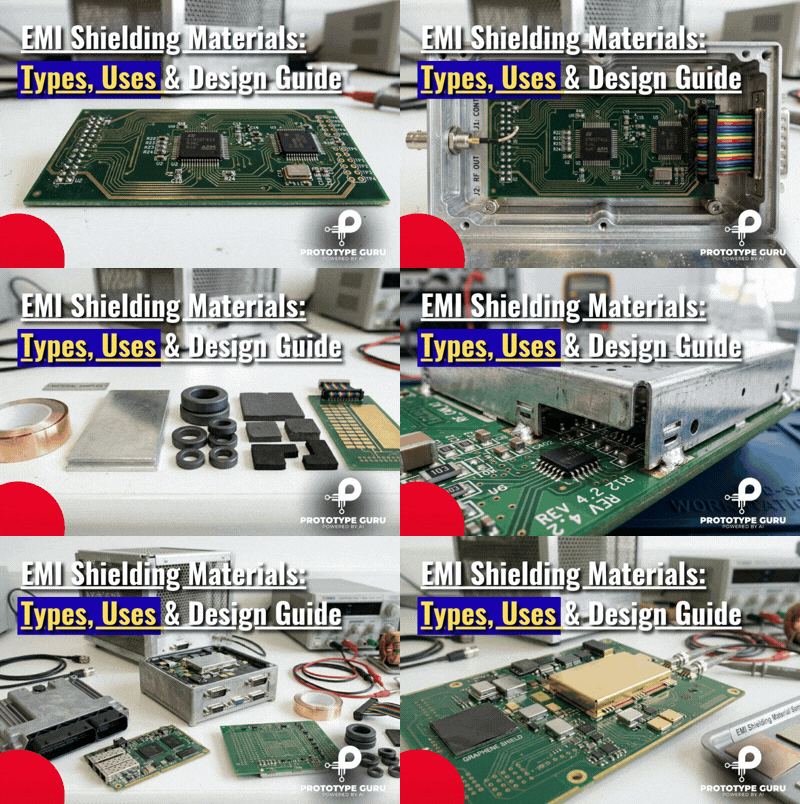
EMI Shielding Materials are generally classified based on composition and functional behavior. Each category serves different engineering requirements and frequency ranges, especially during early-stage product and prototype development.
Metals such as copper and aluminum are the most widely used shielding materials due to their high electrical conductivity. Copper is commonly used in PCB shielding, cable protection, and electronic enclosures, while aluminum is preferred for lightweight structural applications.
Magnetic materials such as mu-metal, nickel alloys, and iron-based materials are used in low-frequency shielding applications where magnetic field suppression is required.
Carbon-based materials, including graphene, carbon nanotubes, and graphite composites, are increasingly used in advanced electronics. These materials offer lightweight structure and high conductivity, making them ideal for aerospace and portable electronic devices as well as prototype-level testing in modern engineering workflows.
Flexible materials such as conductive foams, elastomers, and shielding fabrics are used where mechanical flexibility is required, especially in seals and gaskets.
Conductive coatings and EMI shielding paints are used in plastic enclosures where metal structures are not practical. These coatings provide a thin conductive layer that reduces electromagnetic emissions without adding significant weight.
EMI Shielding Materials Classification
| Material Category | Examples | Key Property | Applications |
|---|---|---|---|
| Conductive Metals | Copper, Aluminum, Silver | High electrical conductivity for strong electromagnetic wave reflection | PCB shielding, electronic enclosures, grounding structures |
| Magnetic Alloys | Mu-metal, Nickel-Iron alloys, Permalloy | High magnetic permeability for low-frequency EMI absorption | Transformers, sensitive sensors, low-frequency shielding systems |
| Carbon-Based Materials | Graphene, Carbon Nanotubes, Graphite composites | Lightweight conductivity with excellent high-frequency performance | Aerospace systems, IoT devices, lightweight electronic modules |
| Flexible Shielding Materials | Conductive foam, EMI fabric, elastomer gaskets | Mechanical flexibility with reliable conductive contact | Seals, gaskets, wearable electronics, movable enclosures |
| Conductive Coatings | EMI paint, conductive spray coatings, metal-filled coatings | Thin conductive layer for lightweight shielding on non-metal surfaces | Plastic housings, consumer electronics, lightweight devices |
Working Mechanisms of EMI Shielding Materials
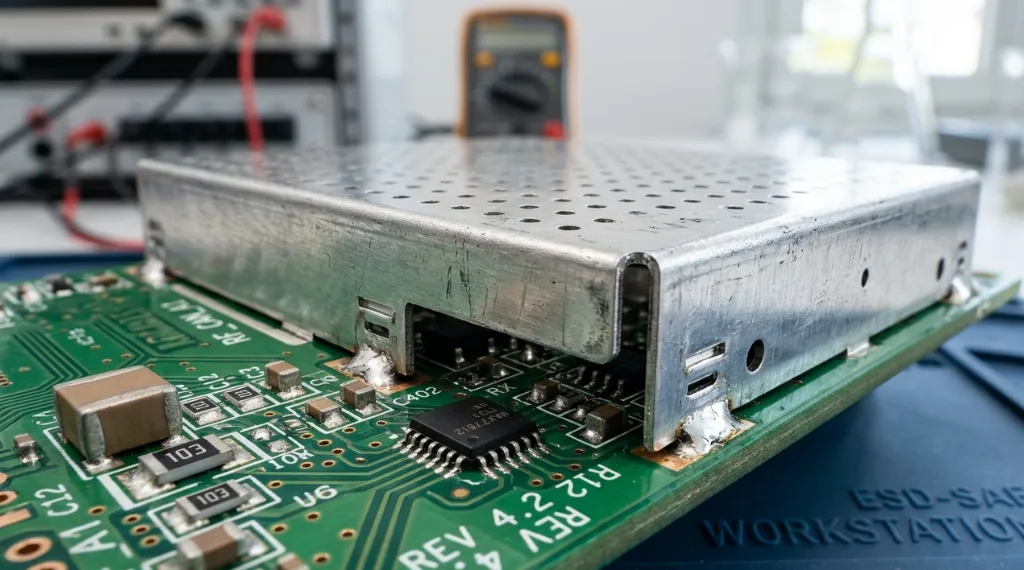
The operation of EMI Shielding Materials is based on three primary mechanisms: reflection, absorption, and multiple internal scattering.
Reflection is the most common mechanism, especially in conductive materials. When electromagnetic waves strike a conductive surface, electrons generate opposing fields that reduce wave strength and prevent penetration.
Absorption occurs when electromagnetic energy is converted into heat within the material. This mechanism is particularly effective in magnetic and composite materials used for low-frequency interference control.
Multiple reflection occurs in porous or composite structures where electromagnetic waves undergo repeated scattering, gradually losing energy with each interaction.
EMI Shielding Mechanisms Overview
| Mechanism | Principle | Material Type | Frequency Range |
|---|---|---|---|
| Reflection | Wave cancellation | Metals | High-frequency EMI |
| Absorption | Energy conversion to heat | Ferrites, composites | Low-frequency EMI |
| Multiple Reflection | Internal scattering | Foams, composites | Broad spectrum |
Industrial Applications of EMI Shielding Materials
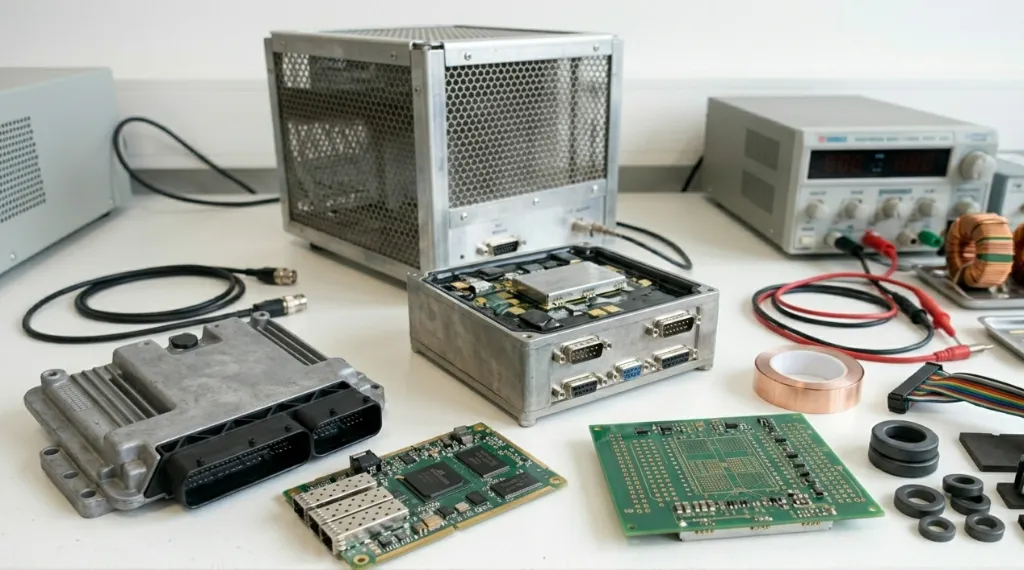
The use of EMI shielding spans across nearly all electronic industries. In consumer electronics, it is used in smartphones, laptops, tablets, and wearable devices to maintain stable performance and reduce internal interference.
In automotive electronics, shielding ensures reliable operation of ECUs, radar systems, infotainment modules, and sensor networks. As vehicles become more electronically controlled, EMI management becomes increasingly important.
In aerospace systems, shielding protects communication, navigation, and radar systems from external electromagnetic disturbances. Even minor EMI in these systems can affect operational safety.
Medical electronics also depend on shielding to ensure accuracy in diagnostic and monitoring equipment. Industrial automation systems use shielding to maintain stability in robotic systems and high-speed control environments.
Engineering Considerations for EMI Shielding Materials
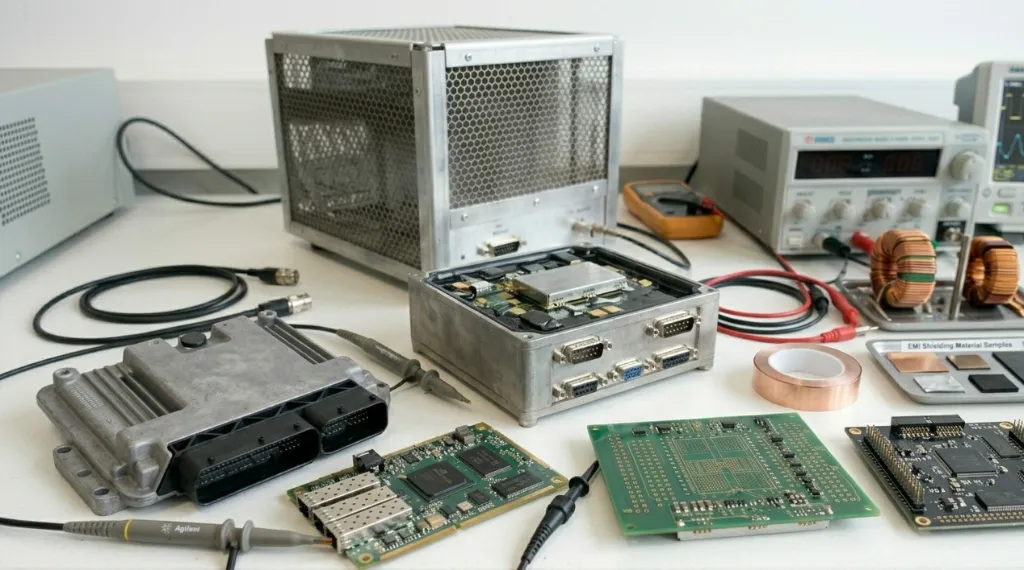
Selecting suitable shielding materials requires careful evaluation of multiple engineering parameters. Frequency range is one of the most critical factors, as different EMI Shielding Materials perform differently across low and high frequencies.
Environmental Stress Factors
Temperature variations, humidity levels, vibration, and chemical exposure significantly influence the performance of EMI Shielding Materials in real-world applications.
Mechanical Flexibility Requirements
In compact and dynamic systems, materials must maintain shielding effectiveness while adapting to mechanical movement and structural constraints.
Cost vs Performance Balance
Engineers must balance shielding performance with cost efficiency to ensure scalable and practical implementation in mass production systems.
Prototype Validation and Testing
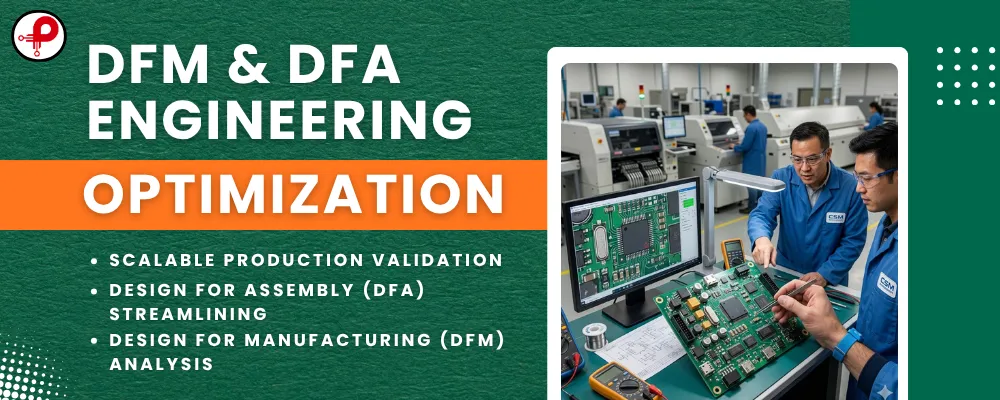
During prototype development, EMI Shielding Materials are evaluated early to ensure performance stability, reduce redesign cycles, and improve final product reliability.
In modern electronic design, hybrid combinations of EMI shielding materials are commonly used to achieve broad-spectrum electromagnetic protection across multiple frequency ranges.
Future Trends in EMI Shielding Materials
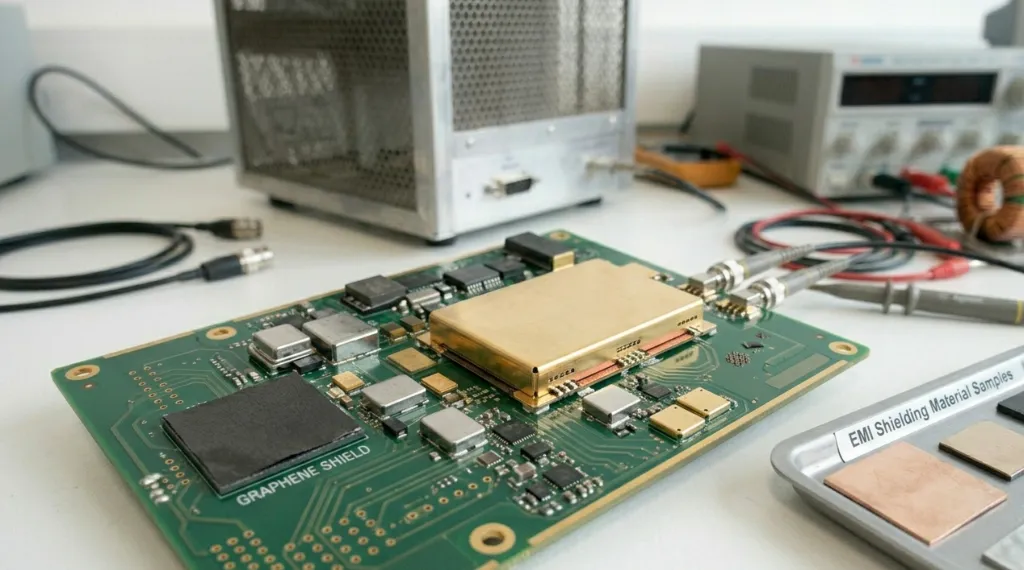
Advancements in nanotechnology and material science are shaping the future of EMI protection. Researchers are developing lightweight, flexible, and high-performance composite materials to replace traditional shielding systems.
Graphene-based materials and carbon nanotube composites are expected to play a major role in next-generation EMI Shielding Materials due to their excellent conductivity and mechanical properties.
Smart adaptive shielding systems are also being explored, where materials dynamically adjust shielding properties based on environmental conditions.
As electronic systems continue to evolve, demand for advanced EMI shielding materials will continue to grow across industries.
Conclusion
EMI shielding is a critical requirement in modern electronic systems. As devices become faster, smaller, and more complex, electromagnetic compatibility becomes increasingly important.
EMI Shielding Materials provide the foundation for controlling electromagnetic interference through reflection, absorption, and composite design techniques. They ensure system stability, signal integrity, and compliance with international standards.
With continuous advancements in material science, future shielding technologies will become more efficient, lightweight, and adaptable, supporting next-generation electronic innovation.