


Introduction
Reducing prototype cost without compromising quality is one of the biggest challenges in hardware and product development. Many startups and businesses assume that lower cost automatically leads to poor performance, but that’s not necessarily true. With the right strategy, smart planning, and efficient resource allocation, it is possible to build high-quality prototypes while staying within budget. The key lies in making informed decisions at every stage of development, from design to manufacturing.
A well-optimized prototyping process not only saves money but also accelerates time-to-market. By focusing on design efficiency, selecting the right materials, and avoiding unnecessary iterations, businesses can significantly reduce expenses. Additionally, leveraging modern tools, global supply chains, and experienced engineering practices allows companies to maintain quality standards while minimizing waste and rework throughout the development cycle.
Optimize Your Design from the Start
One of the most effective ways to reduce prototyping costs is by optimizing your design early in the development phase. Poor design decisions often lead to multiple revisions, increased material waste, and higher engineering costs. By focusing on simplicity and functionality, you can avoid unnecessary complexity that increases both time and expenses. A clean, efficient design reduces the chances of errors and ensures smoother transitions into prototyping and manufacturing.

Design optimization also involves selecting the right components and ensuring compatibility across the system. Engineers should consider availability, cost, and performance while choosing parts. Standardizing components and minimizing custom elements can significantly cut down procurement and assembly costs. Additionally, simulation and virtual testing tools can help identify potential issues before physical prototyping begins, saving both time and money.
Key Strategies:
A simplified design not only reduces costs but also improves reliability. Fewer components mean fewer points of failure, which directly enhances product performance and durability over time.
By validating designs digitally before production, teams can eliminate costly errors early. This approach ensures smoother prototyping cycles and prevents unnecessary financial losses.
Choose the Right Prototyping Method
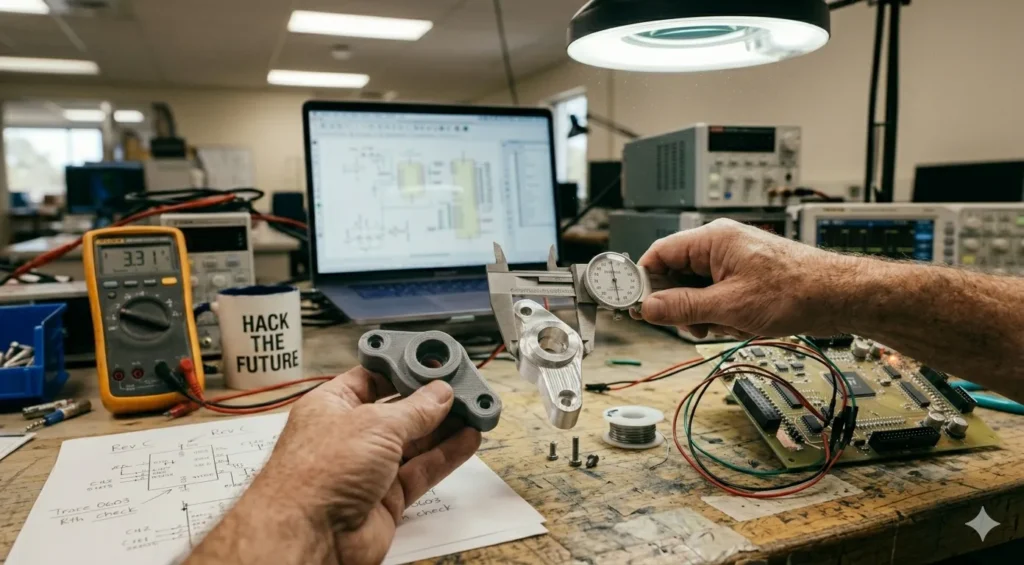
Selecting the appropriate prototyping method plays a crucial role in cost optimization. Different stages of product development require different approaches, and using the wrong method can lead to overspending. For example, early-stage prototypes should focus on functionality rather than aesthetics, allowing teams to test core concepts without investing heavily in final design elements.
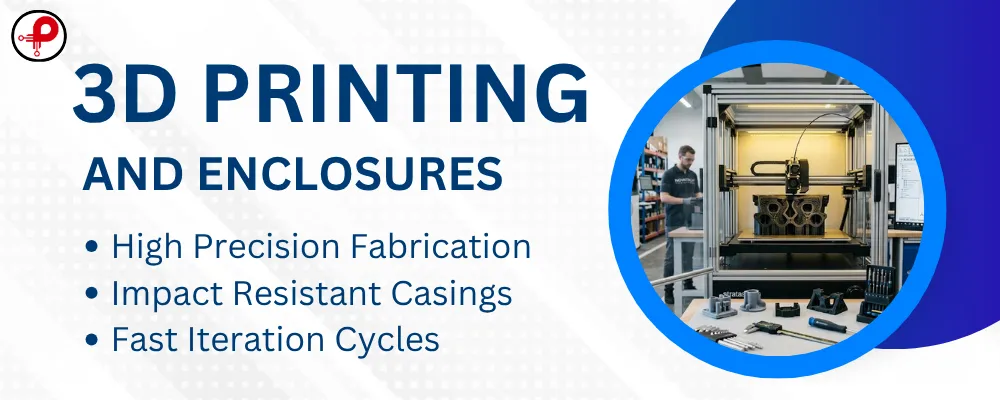
As the product evolves, more refined prototyping techniques can be introduced. Methods like 3D printing, CNC machining, or PCB prototyping should be chosen based on the specific requirements of the project. Balancing cost, speed, and accuracy ensures that each prototype serves its purpose without exceeding the budget.
Best Practices for Cost-Effective Prototype Development
Reducing prototype cost without sacrificing quality requires smart engineering decisions from the very beginning. Following proven best practices helps teams build faster, reduce waste, and achieve reliable product outcomes.
- Use low-fidelity prototypes early: Start with simple and inexpensive models to validate core functionality before investing in advanced designs or materials.
- Adopt rapid prototyping: Faster iteration cycles help identify issues quickly and reduce overall development time and cost.
- Select cost-effective materials: Use affordable materials during early development stages to minimize expenses without affecting testing accuracy.
- Iterate gradually: Improve the design step-by-step instead of doing full redesigns, which saves both time and resources.
- Outsource when needed: Specialized vendors and external experts can reduce overhead costs and improve development efficiency.
- Test functionality first: Focus on performance and working functionality before refining appearance or aesthetics.
Choosing the right method ensures that resources are used efficiently. It prevents overspending on unnecessary details during early development phases.
Reduce Iterations Through Better Planning
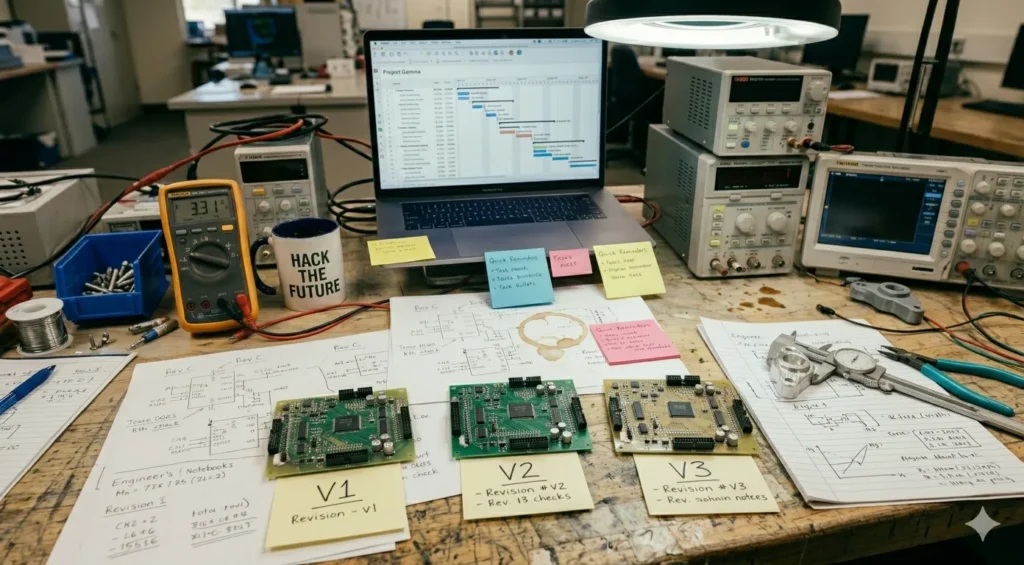
Frequent design changes and repeated prototyping cycles are among the biggest contributors to rising costs. While iteration is essential, uncontrolled revisions can quickly drain resources. Proper planning, clear requirements, and structured development processes help minimize unnecessary iterations while maintaining product quality.
Effective Approaches for Better Product Development
Define clear requirements early
Establishing clear requirements at the beginning helps avoid confusion later in the development process. It ensures all stakeholders are aligned and reduces the risk of costly misunderstandings during design and prototyping stages.
Use detailed specifications
Well-defined technical specifications ensure consistency across teams. They improve communication between hardware, firmware, and mechanical teams, reducing errors and improving overall project execution efficiency.
Implement design reviews
Regular design reviews help identify issues early in the development cycle. This proactive approach reduces costly redesigns and ensures higher product quality before moving to production.
Collaborate across teams
Strong collaboration between hardware, software, and mechanical teams improves communication and ensures better system integration. This reduces delays and avoids integration issues later in development.
Use version control
Version control systems help track design changes effectively. They ensure teams always work on the latest version, reduce confusion, and make it easier to manage updates across the project lifecycle.
Validate each stage
Validating every development stage ensures issues are identified early. This reduces the risk of major failures later in production and helps maintain consistent quality throughout the product lifecycle.
Planning reduces uncertainty and ensures smoother execution. Teams can focus on improvements rather than fixing avoidable mistakes.
Early validation helps identify design flaws before they become expensive problems. This reduces the need for repeated prototyping cycles.
Efficient collaboration between hardware, software, and mechanical teams ensures better integration and fewer costly adjustments later.
Leverage Global Sourcing and Supply Chain
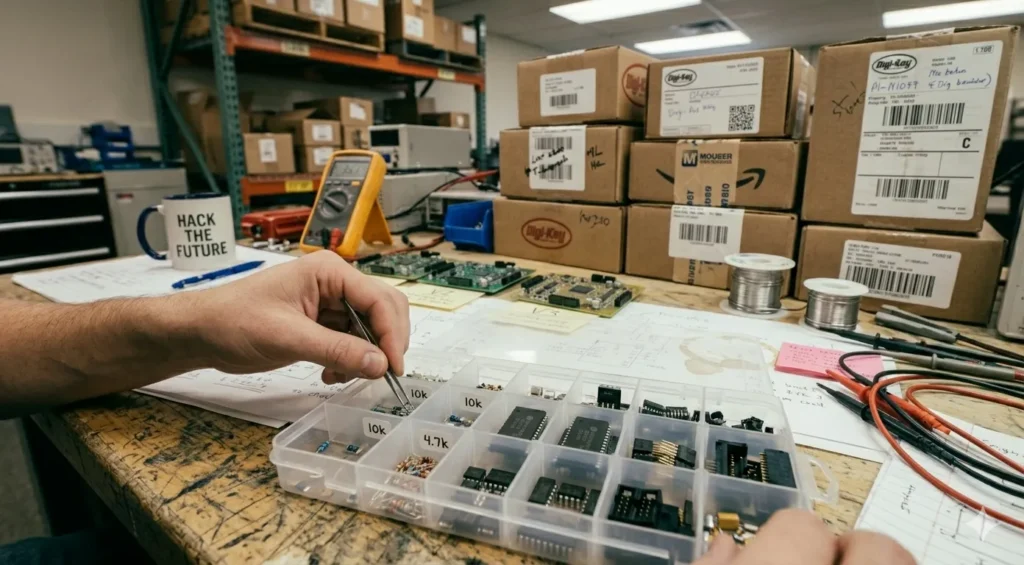
Sourcing components from the right suppliers plays a crucial role in reducing overall prototype development costs. A well-optimized global supply chain provides access to competitive pricing, better availability of parts, and a wider selection of high-quality components. By carefully selecting reliable vendors, companies can ensure consistent quality while minimizing procurement expenses and avoiding unnecessary delays in the development process. Strong supplier relationships and strategic sourcing decisions directly improve both cost efficiency and product reliability.
Working with trusted and verified suppliers ensures consistent quality, reduces the risk of faulty components, and improves overall project reliability.
Accessing international suppliers helps reduce costs and provides a wider selection of components with better pricing and availability.
Buying components in larger quantities lowers per-unit cost and helps secure better deals from manufacturers and distributors.
Strong relationships with suppliers often lead to better pricing, priority service, and improved negotiation power over time.
Proper planning avoids last-minute sourcing, reduces urgent purchase costs, and ensures smooth project execution without delays.
Focus on Cost-Effective Manufacturing
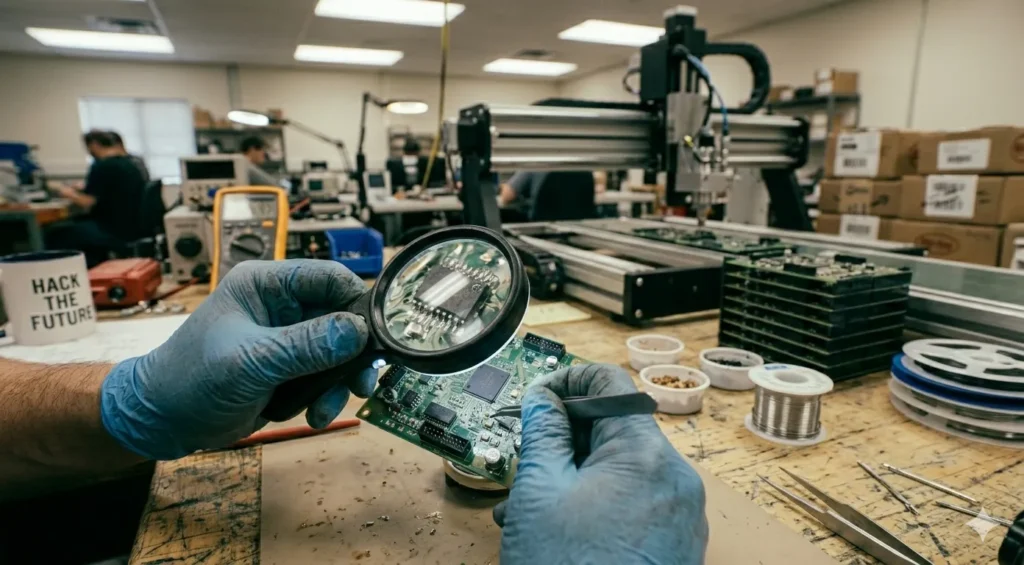
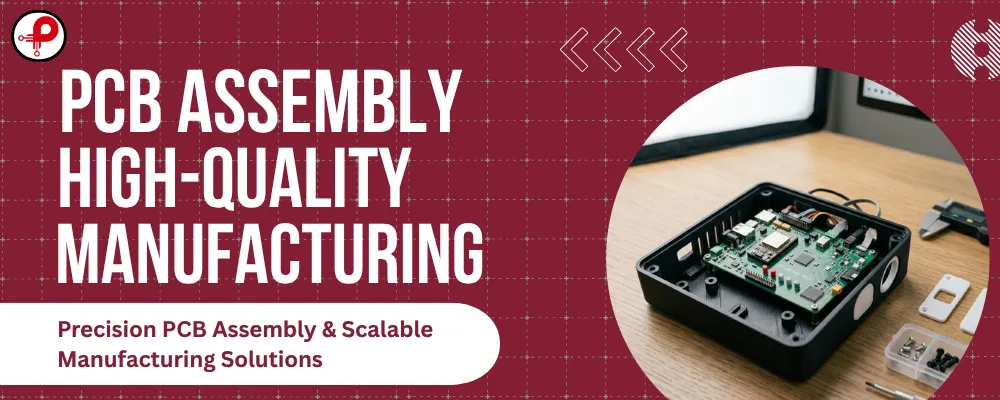
Manufacturing decisions made during prototyping can influence the final product cost significantly. By aligning prototype designs with manufacturing capabilities, businesses can avoid expensive redesigns later. Processes like PCB assembly, enclosure design, and material selection should be optimized for scalability from the beginning.
Cost-effective manufacturing also involves choosing the right production techniques. Whether it’s small-batch production or pilot runs, selecting the appropriate method ensures efficient use of resources. This approach helps maintain product quality while minimizing waste and unnecessary expenses.
How to Optimize Prototype Costs Effectively
| Factor | Cost Impact | Optimization Strategy |
|---|---|---|
| Material Selection | High | Use affordable alternatives to reduce prototype and production costs without compromising essential performance. |
| Component Choice | Medium | Standardize parts to improve availability, reduce sourcing complexity, and lower overall procurement expenses. |
| Assembly Process | High | Simplify design to reduce assembly time, minimize labor cost, and improve manufacturing efficiency. |
| Production Volume | Medium | Plan scalable batches to balance cost per unit and avoid overproduction or resource wastage. |
| Testing Process | Medium | Automate where possible to reduce manual effort, improve accuracy, and speed up validation cycles. |
Aligning design with manufacturing ensures smoother production and avoids costly changes during scaling.
Invest in Smart Testing and Validation

Testing is essential, but inefficient testing methods can increase costs unnecessarily. Smart testing strategies focus on validating critical functions without overcomplicating the process. By prioritizing key performance areas, teams can ensure product reliability while maintaining budget control.
A structured validation process ensures that issues are identified early. Functional testing, stress testing, and environmental testing should be planned strategically to maximize effectiveness without increasing expenses. This approach reduces the risk of failure in later stages.
Automation in testing can also reduce long-term costs. Automated tools help streamline repetitive processes, improve accuracy, and reduce human error. This results in faster validation cycles and more reliable outcomes.
Key Testing & Validation Strategies in System Development
Efficient testing ensures product reliability without excessive spending. It balances quality assurance with cost control.
Early testing prevents major failures during production, saving both time and money.
Automation improves efficiency and reduces manual effort, making the testing process more cost-effective.
Work with Experienced Development Partners

Collaborating with experienced engineering and prototyping partners can significantly reduce costs. Skilled professionals bring expertise, proven workflows, and access to advanced tools that streamline development. This reduces errors, accelerates timelines, and ensures high-quality outcomes.
Experienced partners also provide valuable insights into design optimization, component selection, and manufacturing strategies. Their knowledge helps avoid common pitfalls that lead to increased costs and delays.
Improved Efficiency & Reduced Risk
Working with experts improves efficiency and reduces technical and operational risks throughout the product development process.
Better Cost Optimization
Professional teams can identify hidden cost-saving opportunities that are often missed by in-house development teams.
Access to Global Supply Networks
Expert partnerships provide access to international sourcing and manufacturing networks, improving component availability and scalability.
Faster Decision Making & Execution
Experienced teams streamline development decisions and execution, helping accelerate the overall product development timeline.
Final Thoughts on Cost-Effective Product Development

Reducing prototype costs without sacrificing quality requires a strategic and well-planned approach. By focusing on design optimization, efficient prototyping methods, and smart resource management, businesses can achieve both cost savings and high performance.
Every decision in the development process impacts cost and quality. Careful planning ensures the right balance between the two.
With the right strategies, tools, and expertise, companies can build reliable prototypes while staying within budget and accelerating their path to market.