






Introduction: Why Most Prototypes Fail Before They Even Start
If you’ve ever built a prototype that looked perfect on paper but failed in real life, you’re not alone. After more than a decade in hardware and product development, one pattern is painfully clear—most failures don’t happen because of lack of skill, but because of wrong decisions early on. Engineers and founders often rush into building without fully understanding requirements, constraints, and real-world conditions, which leads to fragile, unreliable prototypes.
Another common issue is overconfidence in theoretical design. A circuit may simulate perfectly, and a PCB layout may pass design rules, but real-world factors like noise, thermal behavior, and manufacturing tolerances can break everything. Prototyping is not just about building—it’s about validating assumptions step by step. Ignoring this mindset is one of the fastest ways to waste time, money, and effort.
Ignoring Real-World Constraints in Early Design
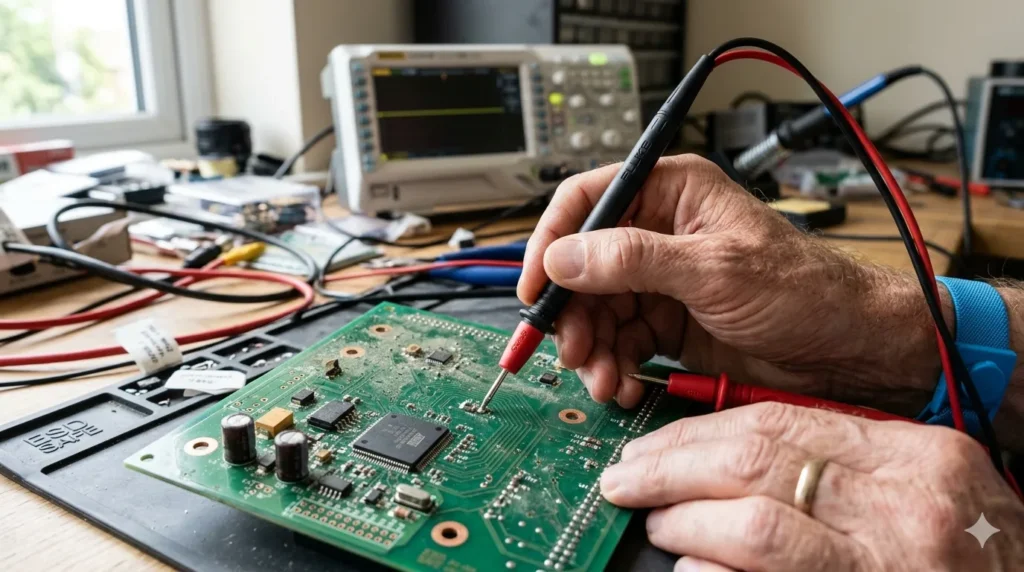
One of the biggest mistakes people make is designing in isolation from real-world conditions. They focus too much on ideal scenarios and forget that physical products operate in unpredictable environments. Temperature variations, electrical noise, mechanical stress, and power fluctuations can all impact performance significantly, yet they’re often ignored during the early stages of development.
Another major issue is choosing components purely based on availability or cost without understanding their long-term behavior. A cheap regulator or sensor might work during testing but fail under load or over time. Experienced engineers always design with margins and worst-case scenarios in mind, ensuring the prototype survives beyond the lab environment.
Key mistakes to avoid:
Designing a prototype isn’t just about making it work once—it’s about making it work consistently. When you ignore real-world constraints, you’re essentially gambling with your product’s success. Even small oversights can cascade into major failures during testing or production.
Overcomplicating the Prototype Too Early
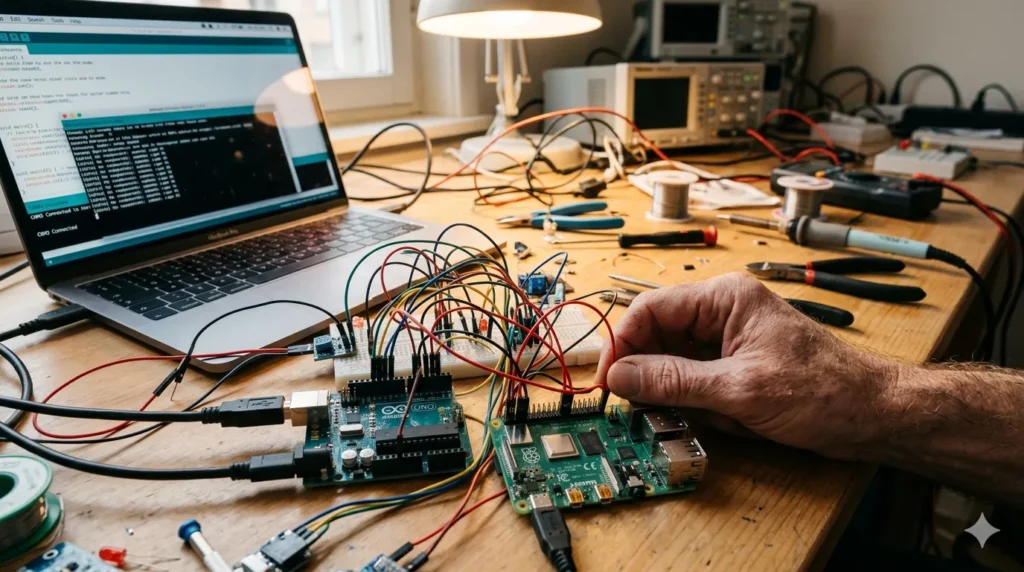
Many developers try to build a “final product” during the prototyping stage. This is a critical mistake. A prototype is meant to validate functionality, not showcase perfection. Adding unnecessary features, complex architectures, or multiple subsystems too early increases the chances of failure and makes debugging extremely difficult.
Instead of focusing on simplicity, teams often aim for completeness. They integrate IoT connectivity, mobile apps, advanced UI, and multiple sensors all at once. When something breaks—and it will—it becomes nearly impossible to identify the root cause. A smarter approach is to build in layers, validating each part independently before integration.
Common overengineering mistakes:
Common Mistakes in IoT & Embedded System Development
Many IoT projects fail not because of technology limitations, but due to poor design decisions early in development. Avoiding these mistakes leads to faster, more stable, and scalable systems.
- Adding too many features at once: Increases system complexity, makes debugging difficult, and slows down development progress significantly.
- Skipping modular design: Without modular architecture, isolating bugs and maintaining the system becomes extremely difficult as the project grows.
- Using complex PCBs too early: Jumping to multi-layer or advanced PCB designs without validation increases risk and leads to costly redesigns.
- Ignoring firmware simplicity: Overloaded firmware creates unpredictable behavior, reduces performance, and increases failure chances.
- Integrating cloud systems prematurely: Cloud connectivity should only be added after core device functionality is stable and fully tested.
- Not validating subsystems independently: Each hardware and software block must be tested separately before full system integration to avoid hidden issues.
Keep your prototype simple. Focus on core functionality first, then gradually add complexity. This approach saves time, reduces frustration, and leads to a much more reliable end product.
Poor PCB Design and Layout Decisions
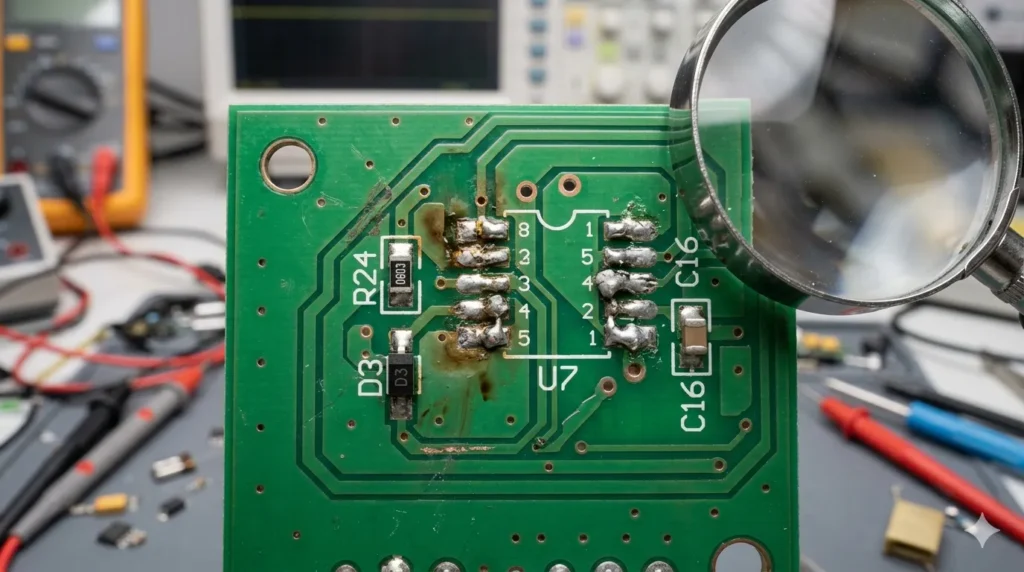
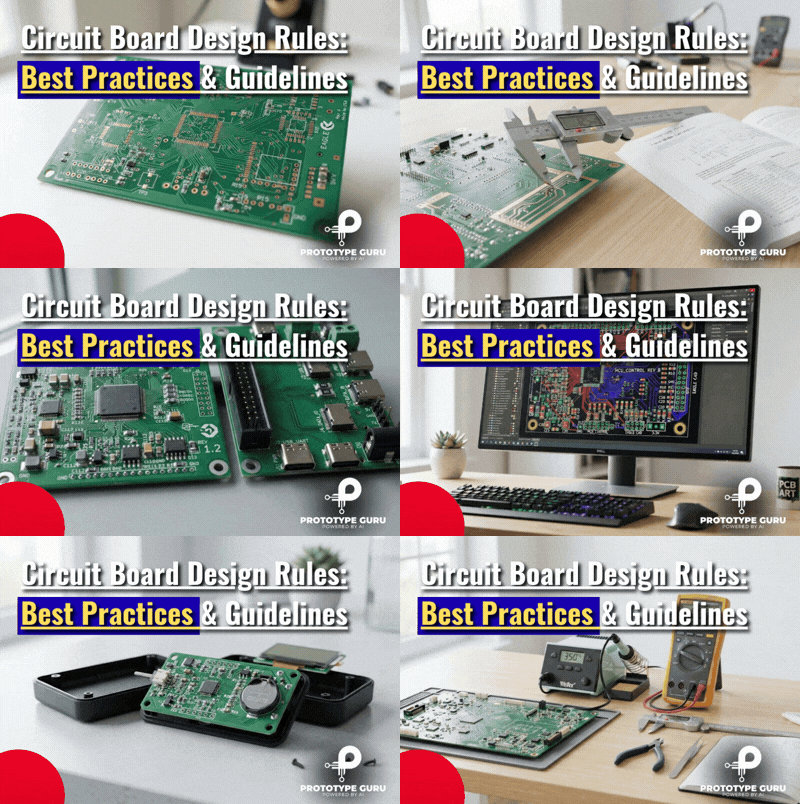
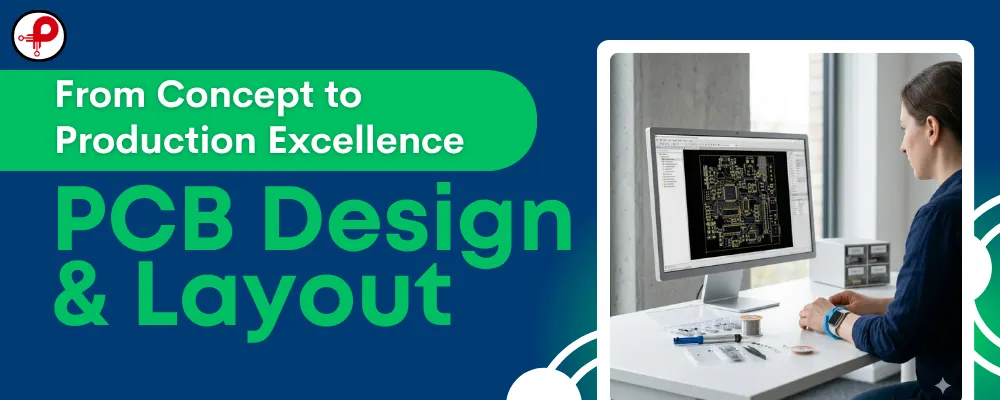
PCB design is where many prototypes silently fail. Even if your schematic is perfect, a poor layout can introduce noise, signal integrity issues, and thermal problems. High-speed signals, improper grounding, and bad component placement can make your prototype unreliable or completely non-functional.
Another critical issue is ignoring design rules for manufacturing. Tight spacing, incorrect trace widths, and poor via placement can lead to fabrication defects. A good PCB design balances electrical performance with manufacturability, ensuring the board works both in theory and in production.
PCB Mistakes to Avoid in Design & Development
Improper grounding techniques
Leads to noise, signal distortion, and unstable circuit performance due to poor reference grounding.
Poor component placement
Incorrect placement disrupts signal flow, increases interference, and reduces overall PCB efficiency.
Ignoring trace impedance
Critical for high-speed designs, improper impedance control leads to signal reflection and data errors.
Overheating components
Lack of thermal planning reduces component lifespan and increases the risk of system failure.
Skipping design reviews
Without peer review, critical design flaws go unnoticed, increasing the risk of costly errors.
Not following DFM guidelines
Ignoring Design for Manufacturability (DFM) leads to production challenges, higher costs, and scaling issues.
A PCB is more than just connections—it’s the foundation of your product’s reliability. Treat layout as a critical engineering task, not an afterthought.
Investing time in proper PCB design saves weeks of debugging later. It’s one of the highest ROI activities in hardware development.
Skipping Proper Testing and Validation

Skipping proper testing and validation is one of the most serious mistakes in IoT and embedded system development. Testing is a core requirement, not an optional step, because it ensures that a system performs reliably in real-world conditions. Many teams make the mistake of rushing this phase or depending only on basic functional tests, assuming the design will work correctly. In reality, this often results in failures when the system is exposed to long-term use, stress, or unpredictable environments. A complete validation process must include functional, stress, and environmental testing, since each one helps uncover different hidden problems like logic errors, power issues, and hardware limitations.
Testing should be integrated throughout the entire development process rather than saved for the final stage. Delaying it increases risk and makes fixing issues more difficult and expensive later on. A strong engineering approach assumes that failures will happen and focuses on detecting and resolving them early before the product is delivered to users.
Testing is a core requirement that ensures system reliability and real-world performance.
Skipping or rushing testing leads to hidden issues and unstable prototypes.
Functional, stress, and environmental testing are all needed to uncover different problems.
Testing should start early and continue in every stage, not just at the end.
Always expect something to break so you can detect and fix issues before users do.
Lack of Manufacturing Awareness
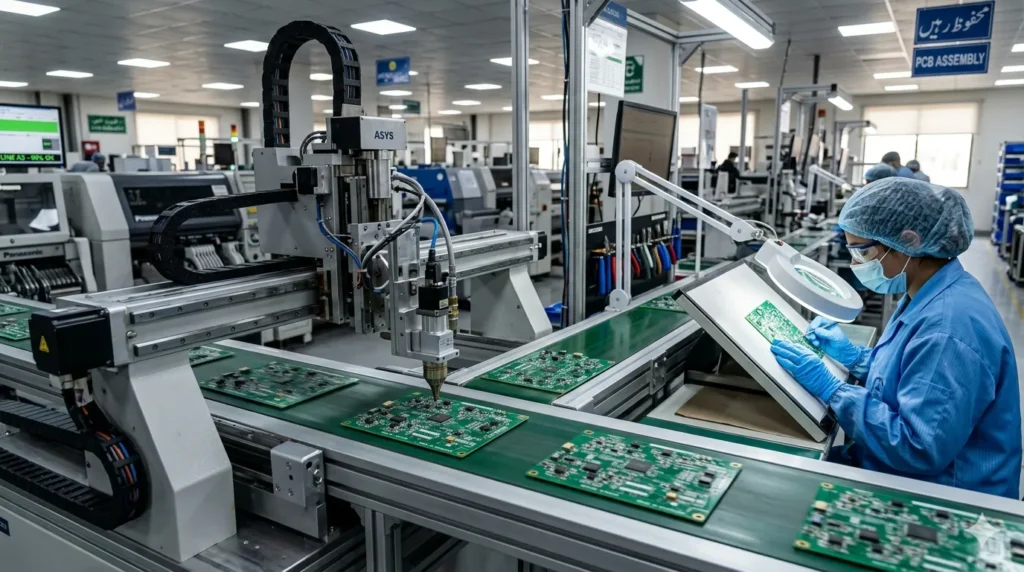
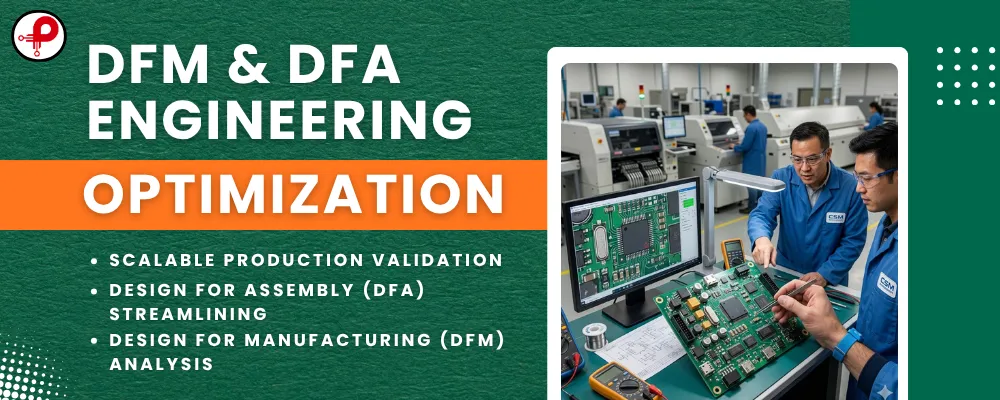
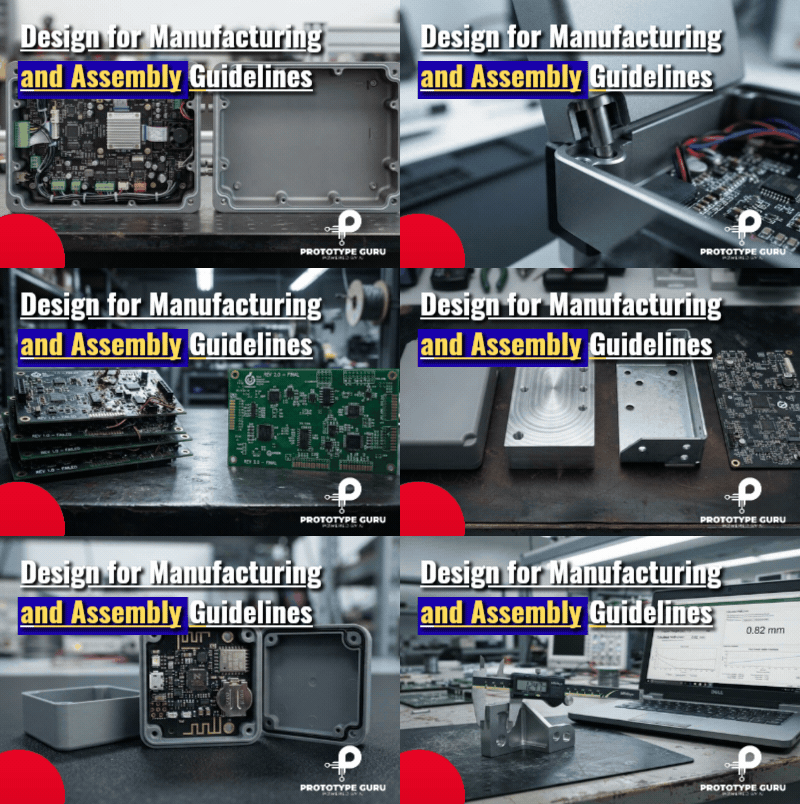
Many prototypes fail when transitioning to production because they were never designed with manufacturing in mind. Design for Manufacturing (DFM) and Design for Assembly (DFA) are often ignored during early stages, leading to costly redesigns and delays later on.
A design that works in a lab may not be scalable. Component availability, assembly complexity, and production tolerances all play a role. Understanding these factors early ensures a smoother transition from prototype to mass production.
Manufacturing considerations table:
| Aspect | What to Consider | Impact |
|---|---|---|
| Component Selection | Availability & lifecycle | Prevents redesign delays and ensures long-term production stability |
| PCB Design | DFM compliance | Ensures manufacturability and reduces production issues |
| Assembly | Ease of assembly | Reduces production cost and improves manufacturing efficiency |
| Testing | Test points inclusion | Improves debugging, quality control, and fault detection |
| Enclosure | Fit & tolerance | Avoids mechanical misalignment and physical integration issues |
Designing with manufacturing in mind from day one saves time, cost, and frustration. It ensures your prototype isn’t just functional—but scalable.
Weak System Architecture and Planning

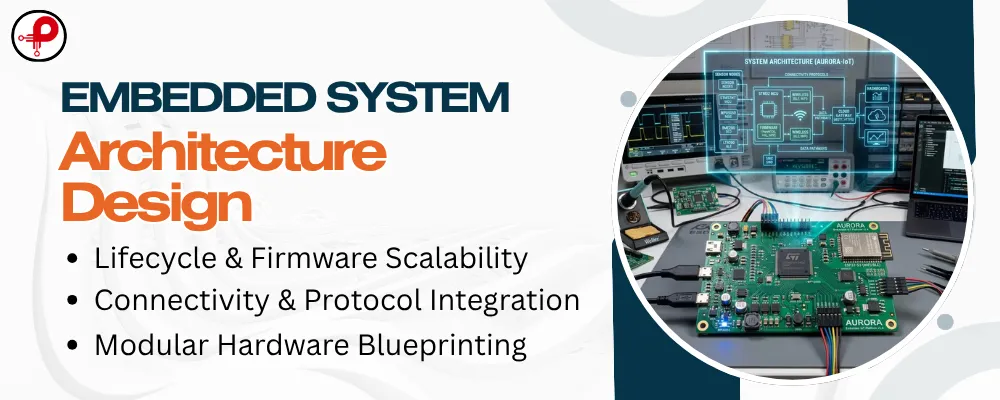
A strong prototype starts with a strong architecture. Without clear system planning, components and subsystems become poorly integrated, leading to inefficiencies and failures. Many developers jump straight into design without defining system flow, interfaces, and dependencies.
Good architecture ensures scalability, maintainability, and performance. It allows teams to build confidently, knowing each part fits into a well-defined system.
Key Architectural Elements of IoT System Design
A well-planned system reduces complexity and improves reliability. It gives structure to your development process.
Invest time in planning before building. It pays off at every stage of development.
Rushing the Prototype Process
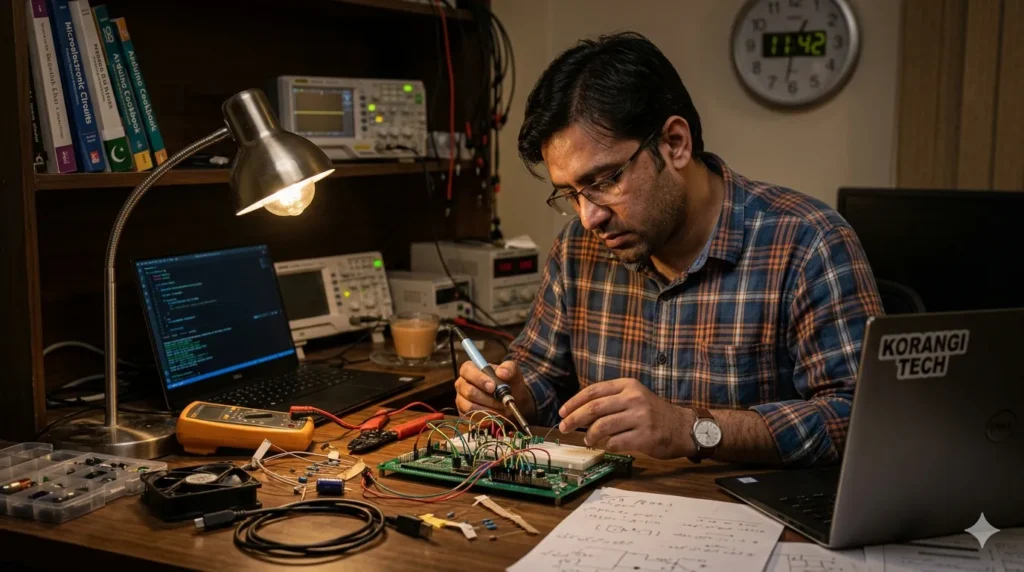
Speed is important, but rushing is dangerous. Many teams try to meet tight deadlines by skipping critical steps, which leads to poor-quality prototypes. Quick builds often result in hidden issues that surface later, causing even bigger delays.
System Architecture Planning
Defines the overall structure of the system to ensure scalability, clarity, and efficient integration of all modules.
Modular Design Approach
Breaks the system into independent modules to improve maintainability, debugging, and future upgrades.
Power Optimization
Ensures efficient power distribution and reduces energy loss for stable and long-lasting system performance.
Communication Strategy
Defines reliable communication protocols for smooth data exchange between devices and cloud systems.
A disciplined development approach based on the build, test, and refine cycle is essential for creating reliable IoT and embedded systems. Instead of rushing to complete features quickly, engineers should focus on gradual improvement at each stage. This method helps identify design flaws early, reduces unnecessary rework, and prevents costly failures in later phases of development. When projects are rushed, the result is often fragile prototypes that may work initially but fail under real-world conditions due to hidden issues. By prioritizing proper testing and systematic refinement, developers can ensure that each component performs correctly before moving to the next stage. This not only improves overall system stability but also saves time in the long run. Ultimately, consistency and careful execution are far more valuable than speed, as doing things correctly the first time leads to stronger, scalable, and production-ready systems.
Final Thoughts: Build Smart, Not Fast

A successful prototype is not about complexity, speed, or perfection—it’s about smart decision-making. Avoiding common mistakes like overengineering, poor PCB design, lack of testing, and ignoring manufacturing can dramatically increase your chances of success.
Think in steps, not leaps. Validate each part before moving forward.If you stop making these mistakes, your prototypes won’t just work—they’ll be ready for the real world.