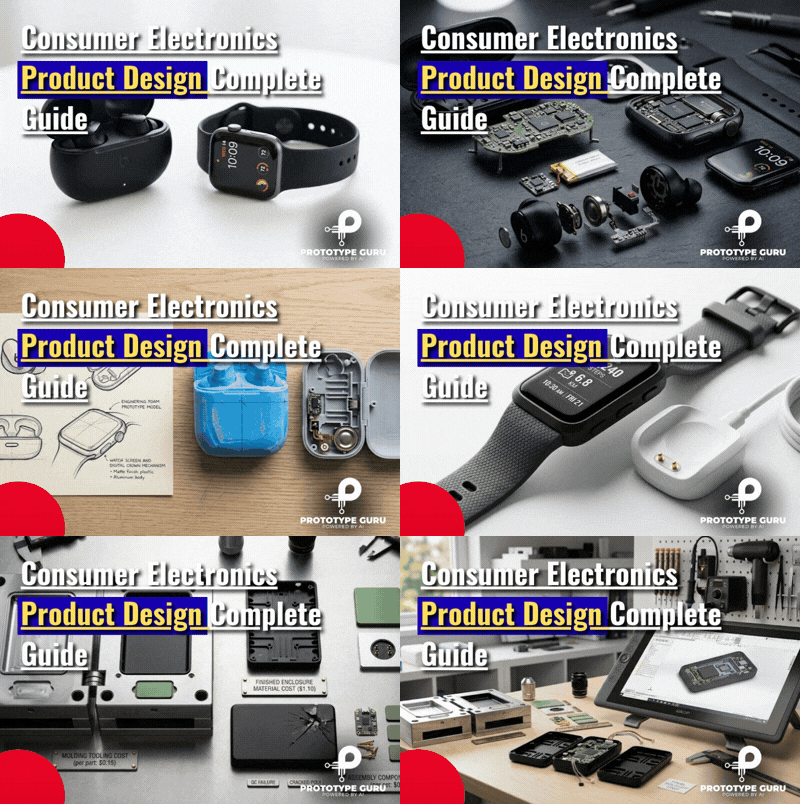






If you have ever held a product in your hands and thought “this just feels right,” you were experiencing consumer electronics product design doing exactly what it is supposed to do. Good consumer electronics product design does not announce itself. It just works, fits your hand, survives a drop, and makes you forget there is a circuit board, a battery, and months of engineering decisions hiding under the shell.
I have spent the better part of eight years sitting in on design reviews, late night prototype debugging sessions, and a few painful post mortems where a product launched looking gorgeous and then fell apart within a month because nobody stress tested the hinge. So this guide is not a textbook summary. It is the practical version, the one I wish someone had handed me earlier in my career.
By the end of this article you will understand what consumer electronics product design actually involves, how the process really unfolds, what it costs, where most teams trip up, and what is changing heading into the rest of 2026. No fluff, no recycled checklists copied from ten other blogs.
[Insert featured image here. Suggested alt text: “consumer electronics product design process from sketch to prototype”]
What Is Consumer Electronics Product Design
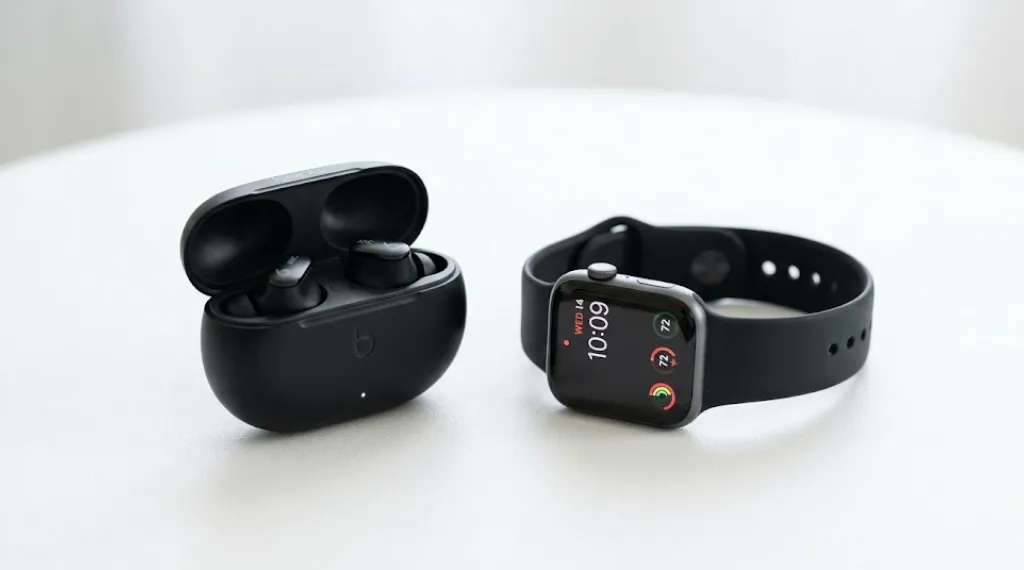
Consumer electronics product design is the process of turning an idea for a gadget or smart device into a physical, manufacturable product that people can buy, use, and trust every day. It blends industrial design, mechanical engineering, electronics, and user experience into one coordinated effort.
It is easy to assume this is only about looks. It is not. A well designed product has to survive being dropped on a kitchen tile, sit comfortably in a pocket for ten hours, ship at a price that still leaves room for profit, and pass certification tests in dozens of countries. The aesthetics matter, but they are only one piece of a much bigger puzzle.
Think of it this way. A speaker that looks stunning but overheats after twenty minutes of use is a design failure, no matter how many awards the shape wins. Real consumer electronics design success means the product is desirable, durable, manufacturable, and safe, all at once.
Why This Process Deserves More Attention Than It Gets
A lot of founders and even some experienced product managers treat design as the fun part that happens after the “real” engineering decisions are locked in. That mindset causes more expensive redesigns than almost anything else in hardware development.
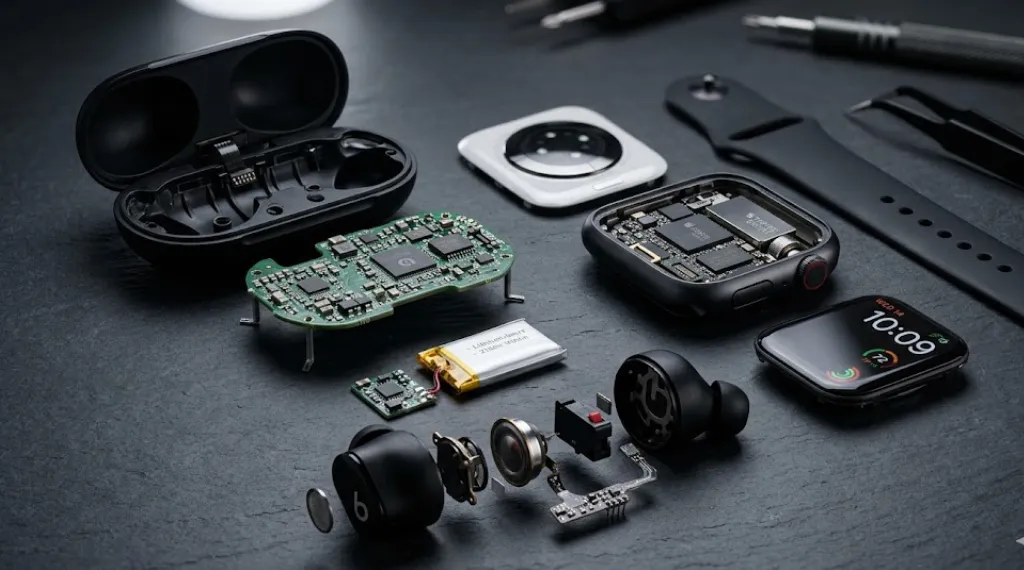
Here is the uncomfortable truth from the trenches. Once a PCB layout is finalized around a certain enclosure shape, changing the enclosure later does not just mean a new shell. It often means rerouting traces, moving connectors, rethinking thermal paths, and sometimes starting tooling over from scratch. Each of those changes costs real money and real time.
This is why mature product design for electronics treats industrial design, mechanical engineering, and electrical engineering as parallel conversations from day one, not a relay race where each team waits for the last one to finish.
The Real Consumer Electronics Design Process, Step by Step
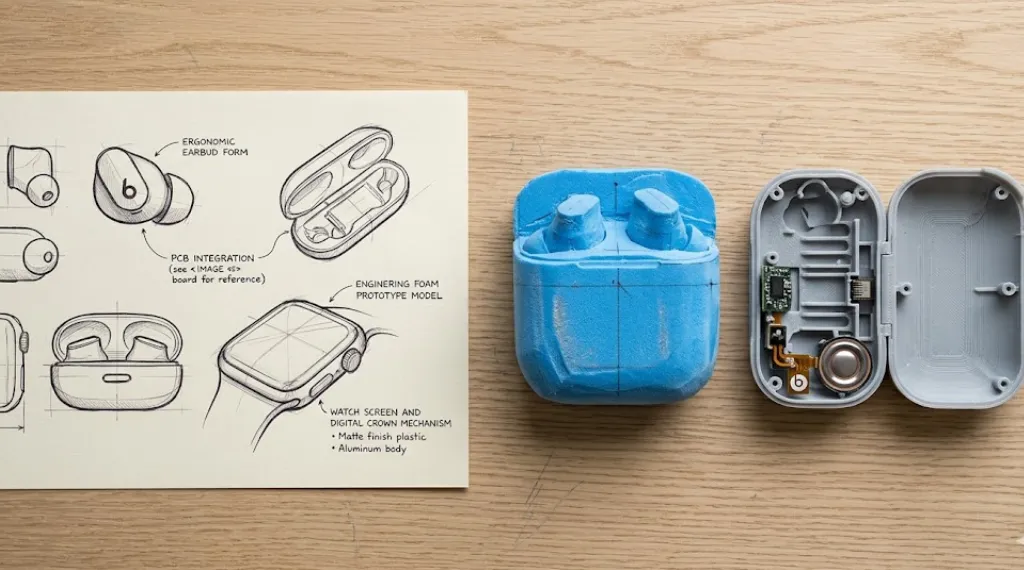
Every team does this slightly differently, but after watching dozens of products go from sketch to shelf, the pattern below holds up consistently.
Here is a quick reference table before diving into each stage in detail.
| Stage | What Happens | Typical Timeline | Who Leads It |
|---|---|---|---|
| Discovery and Research | Define the user, problem, and requirements | 1 to 3 weeks | Product manager, market researcher |
| Concept Sketching | Generate and narrow down design directions | 1 to 2 weeks | Industrial designer |
| Industrial Design | Build 3D form, ergonomics, weight balance | 2 to 6 weeks | Industrial designer |
| CMF Design | Choose color, material, and finish | 1 to 3 weeks | Industrial designer, materials engineer |
| Engineering Integration | Fit PCB, battery, and components into the shell | 3 to 8 weeks | Mechanical and electrical engineer |
| Prototyping | Build and test physical units | 4 to 12 weeks | Engineering team |
| User Testing | Validate usability with real people | 2 to 4 weeks | UX researcher |
| DFM and Validation | Confirm the design is manufacturable | 2 to 6 weeks | Manufacturing engineer |
| Certification | Pass FCC, UL, CE, or other required testing | 4 to 12 weeks | Compliance specialist |
| Manufacturing and Launch | Move to production and ship | 8 to 16 weeks | Operations, contract manufacturer |
Timelines overlap in practice more than this table suggests, since experienced teams run several stages in parallel rather than strictly sequentially. Use it as a planning reference, not a rigid checklist.
Step 1: Discovery and Market Research
Before anyone touches a CAD tool, the smart teams ask harder questions. Who is actually going to buy this. What are they currently using instead. What do they complain about with existing products. What price point makes this a no brainer versus a luxury nobody needs.
This stage also means studying what is already on shelves. If you are designing a smart home hub, you study Nest, Aqara, and Apple HomePod not to copy them but to understand what consumers now expect as table stakes versus what would genuinely surprise them.
A trick that experienced teams use is buying and physically using three or four competing products before sketching a single line. Read the one star reviews first, not the five star ones. People rarely write detailed paragraphs about what worked. They write detailed paragraphs about what broke, what confused them, or what made them return a product. That negative feedback is a goldmine for understanding consumer electronics design trends nobody else is paying attention to yet.
This stage should also produce a rough product requirements document, even if it is only two pages long. It should answer who the user is, what problem the device solves, the rough price target, the must have features versus the nice to have ones, and any regulatory markets the product needs to sell into. Skipping this document is one of the most common reasons projects drift in scope halfway through development, with new features quietly added until the original budget and timeline no longer make sense.
Step 2: Concept Sketching and Ideation
This is where consumer tech product design starts to feel creative again. Designers sketch dozens of directions, from wild moonshot shapes to safe, familiar forms. Most of these sketches will die quietly, and that is normal. The goal is volume of ideas before narrowing down to two or three serious contenders.
A good practice here is sketching with constraints already in mind. If the product needs a battery, a speaker grille, and a charging port, sketching without considering where those go wastes time later.
Step 3: Industrial Design and Form Development
This is where industrial design for consumer electronics earns its reputation as both art and engineering. Designers move from flat sketches into 3D models, refining curves, button placement, weight distribution, and how the product will feel in someone’s hand or sit on their desk.
Ergonomics in product design becomes critical here. A remote control that looks sleek in a rendering but cramps your thumb after five minutes is a design that failed its actual job. The best industrial designers test physical foam models early, sometimes before any electronics exist, just to validate how the shape feels.
Step 4: CMF Design (Color, Material, Finish)
CMF design might be the most underrated part of consumer electronics industrial design. The same shell molded in matte soft touch plastic versus glossy polycarbonate creates a completely different emotional reaction, even though the geometry is identical.
Material choice also affects manufacturing cost, durability, and even perceived value. Aluminum signals premium but adds weight and machining cost. ABS plastic is affordable and moldable but can feel cheap if not finished well. This is also where sustainable electronics design decisions get made, since recyclable and bio based materials are increasingly expected by environmentally conscious buyers.
Step 5: Engineering Integration
Now the mechanical shell has to make room for reality. The PCB needs to fit. The battery needs airflow or insulation depending on chemistry. Buttons need actual switches behind them, not just a nice bump on a rendering.
This is the stage where electronic device design and industrial design either collaborate smoothly or fight constantly. Teams that succeed here run joint reviews where the mechanical designer and the electrical engineer are in the same room, looking at the same model, instead of passing files back and forth blind.
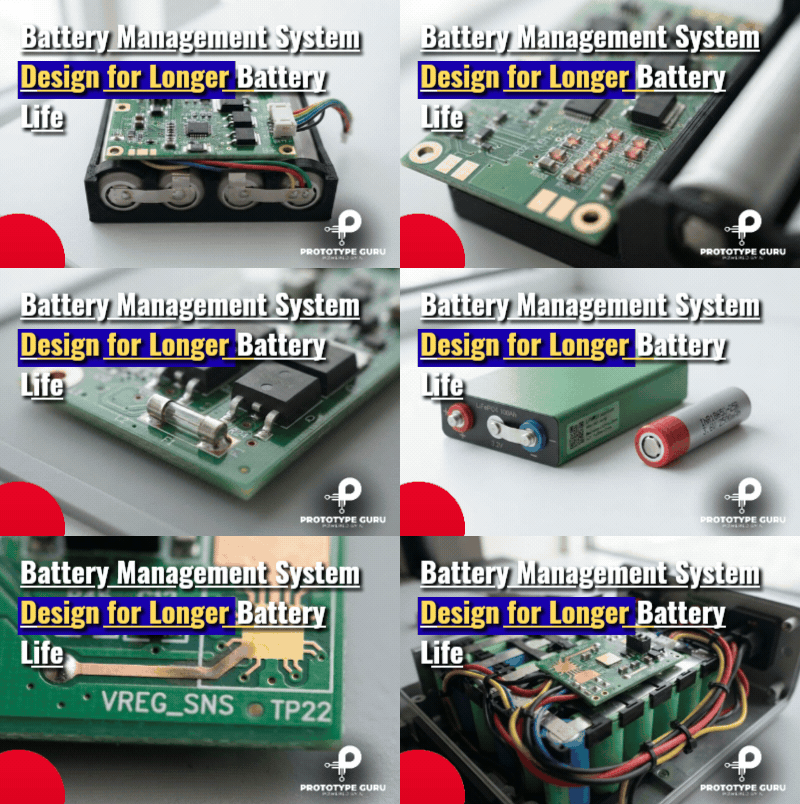
A practical example makes this clearer. Say the industrial designer wants a slim, pocketable profile for a portable speaker. The electrical engineer knows the battery capacity needed for eight hours of playback requires a certain volume of space. If those two conversations happen separately, you end up with either a battery that does not fit or a redesign that delays the whole project by weeks. When they happen together, the team can negotiate a compromise early, maybe a slightly larger footprint or a different battery chemistry with higher energy density, before either side has invested heavily in a direction that will not survive contact with the other discipline’s constraints.
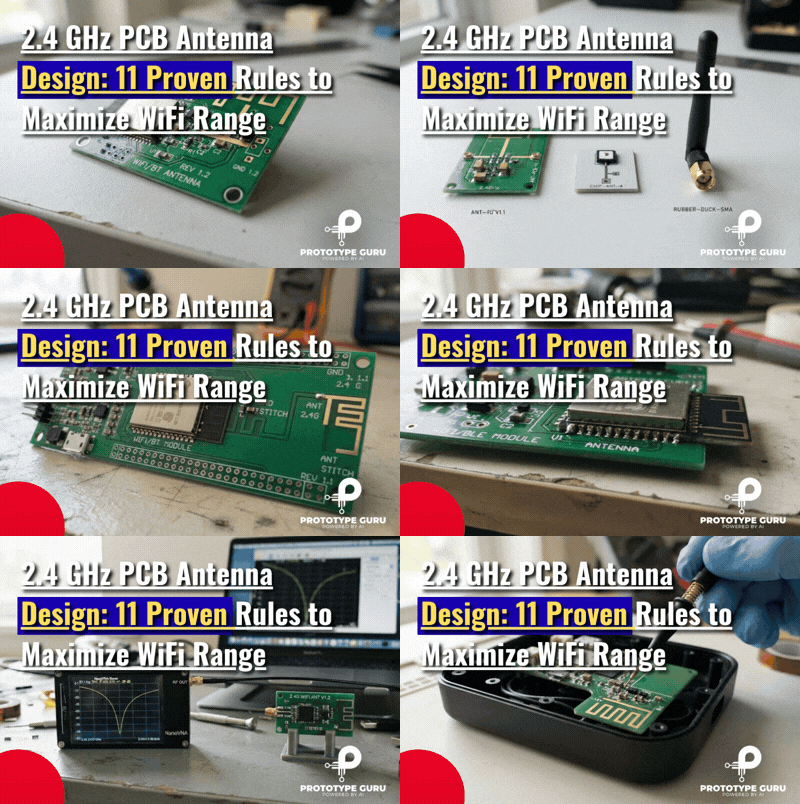
This is also where antenna placement gets decided for wireless products, where speaker grilles get sized against acoustic requirements, and where button mechanisms get matched to actual tactile switch components rather than an idealized sketch. None of this is glamorous work, but it is where most of the actual product gets built or quietly broken.
Step 6: Prototyping
Nothing replaces holding a real, physical prototype. CAD renderings lie, in the sense that they hide weight, balance, and tactile feedback that only a physical object reveals.
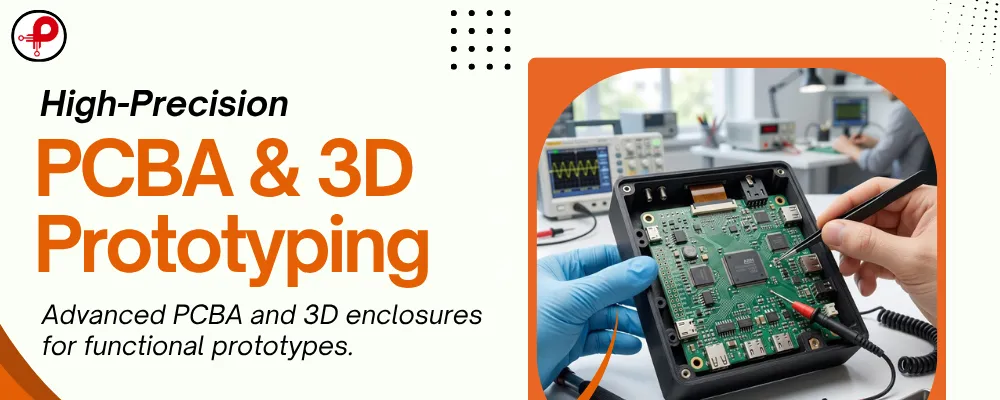
Consumer electronics prototyping typically moves through stages. Early proof of concept builds validate that the electronics work at all, often on a breadboard with no real housing. Alpha prototypes combine custom PCBs with rough 3D printed enclosures to validate fit and basic function. Beta prototypes get much closer to final intent, often using the actual manufacturing materials so the team can catch issues before committing to expensive tooling.
If you want a deeper technical breakdown of how this prototyping progression actually works in practice, including realistic cost ranges for each stage, this guide on electronics prototyping and product design walks through the full process used by US hardware teams.
Step 7: User Testing and Iteration
Real users almost always find problems the design team missed. Maybe the power button is too easy to bump accidentally. Maybe the charging cable orientation is unintuitive in the dark. This feedback loop, however uncomfortable some of it can be to hear, is what separates products people love from products people merely tolerate.
The most useful user testing sessions are not the polished focus groups with one way mirrors that you see in movies. They are quieter and messier. Hand someone a prototype, give them a vague task like “set this up and get it working,” and then say nothing while you watch. The moments where they hesitate, squint, or try to press something that is not actually a button are worth more than almost any survey response. Every piece of information gathered this way should feed back into the design, creating a loop where the product gets sanded down and refined based on what real hands and real frustration actually reveal, rather than what the design team assumed would be obvious.
It is also worth testing with people outside your target demographic occasionally. A product designed for tech savvy early adopters that completely confuses a less technical user often reveals onboarding problems that will eventually limit how widely the product can sell, even if your core audience never notices the friction.
Step 8: Design for Manufacturing and Validation
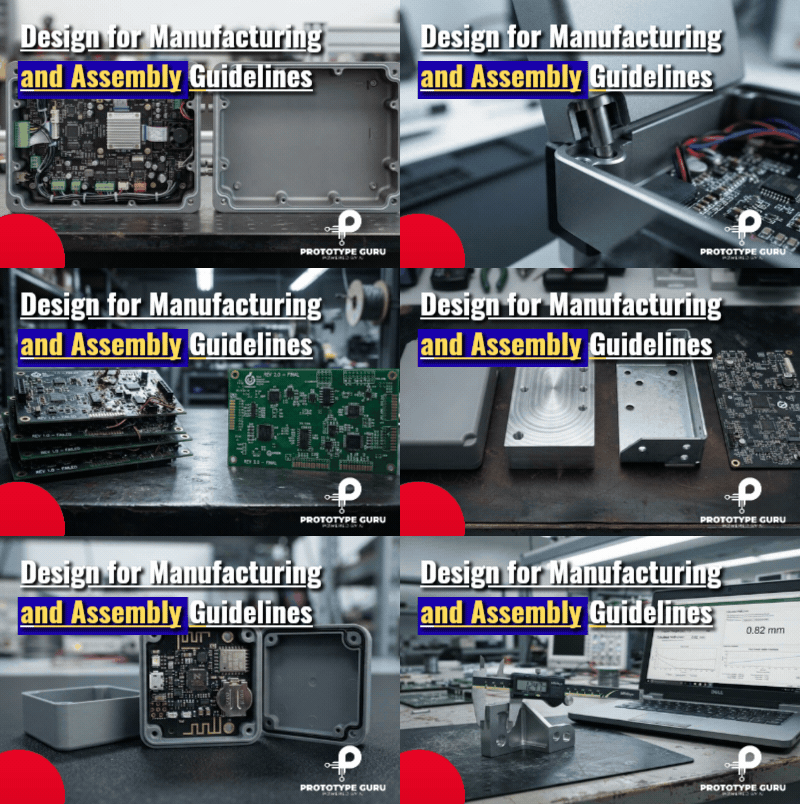
Design for manufacturing, often shortened to DFM, is where a beautiful prototype either survives contact with a real factory or gets quietly redesigned under deadline pressure. DFM review checks draft angles for injection molding, wall thickness consistency, and whether tolerances are realistic for the chosen manufacturing process.
Skipping this step is one of the most expensive mistakes in electronics product development, because issues caught here cost dollars to fix, while the same issue discovered after tooling is cut can cost tens of thousands of dollars and months of delay.
Step 9: Certification and Compliance
Every electronic product sold legally needs to pass safety and electromagnetic compatibility testing relevant to its target market. In the United States that typically means FCC for wireless emissions and often UL for products with mains power. The EU has its own CE marking requirements, and other regions have their own rules entirely.
The FCC rules apply more broadly than most first time founders expect. Any consumer electronic product that oscillates at a frequency of 9 kHz or higher generally has to comply with FCC regulations to avoid interfering with radio services, which means even products without an obvious wireless radio, like a switching power supply or a motor controller, can fall under scope. Consumer products are classified as Class B, which carries stricter limits than the Class A rules that apply to industrial equipment, precisely because consumer devices tend to operate closer to people in homes rather than in controlled industrial settings. You can review the official requirements directly on the FCC’s equipment authorization page before scoping your compliance budget.
This part of consumer electronics design is rarely glamorous, but treating it as a late stage afterthought is how launches get delayed by months. The smartest teams build a relationship with a testing lab early and run informal pre-compliance scans well before the official certification submission, so any EMI or RF issues get caught while a layout change is still cheap.
Step 10: Manufacturing and Launch
Once tooling is finalized and certification passes, the product moves into production. Even here, design is not finished. Packaging design, unboxing experience, and manuals are all extensions of product design for tech companies that care about the full customer journey, not just the device itself.
What Makes Good Consumer Electronics Product Design
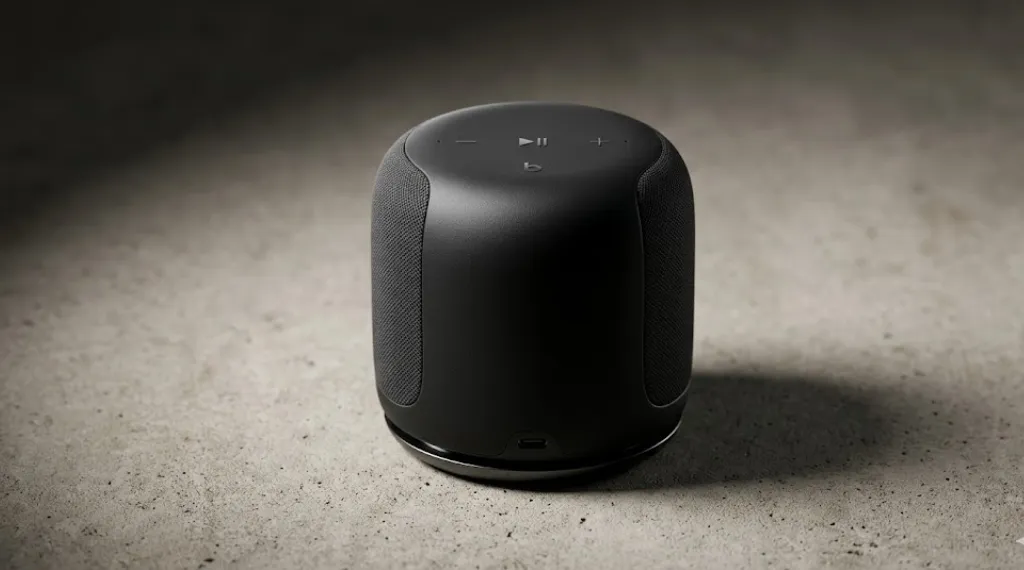
People often equate good design with minimalism or trendy aesthetics. That is only part of the story. From years of watching products succeed or quietly fail, a few traits show up again and again in winning consumer electronics product design.
Good consumer electronics design solves a real problem rather than chasing a trend for its own sake. It respects the user’s context, meaning a kitchen gadget should survive splashes and a fitness tracker should survive sweat. It is honest about its materials and price point instead of trying to fake a premium feel it cannot back up. And it ages well, both physically and in how it feels to use a year after purchase, not just on day one. Strong consumer electronics product design always traces back to these same fundamentals, no matter how different the product category looks on the surface.
Consumer Electronics Design Trends Shaping 2026
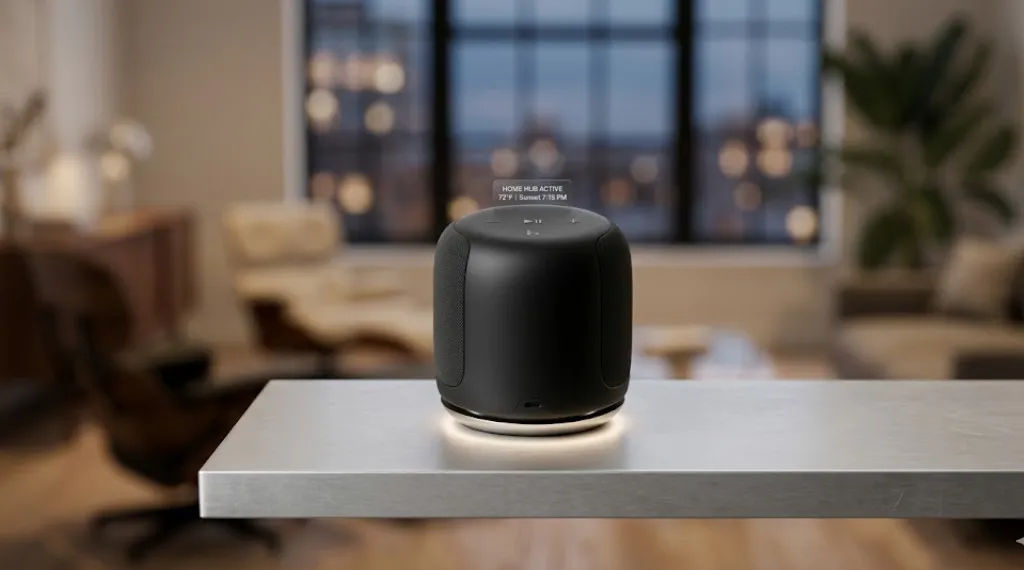
The landscape keeps shifting, and a few patterns are clearly defining this year’s products. In 2026, consumer electronics are evolving rapidly with smarter interfaces, seamless connectivity, and AI-driven experiences, shaping how users interact with devices and how companies design innovative solutions.img
1. Health & Wellness Integration
Health features now extend beyond step tracking into continuous monitoring and adaptive feedback systems. Devices use sensors, AI, and context awareness to support physical and mental well-being in real time.
2. Gesture, Voice & Invisible Interfaces
Touch is no longer the primary interaction layer. Gesture control, voice commands, and adaptive surfaces are becoming standard, creating interfaces that reduce friction and blend into everyday user behavior.
3. Sustainability & Repairable Design
Regulations and consumer demand are driving modular, repairable products. USB-C standardization and replaceable batteries are pushing brands toward longer-lasting devices that reduce waste and improve lifecycle value.
4. On-Device AI Integration
AI processing is increasingly handled directly on hardware. This shift affects thermal design, power consumption, and hardware architecture, making AI performance a core part of early-stage product engineering decisions.
5. Human-Centered Product Experience
The market is moving away from flashy innovation toward usability and comfort. Successful products are those that feel natural, intuitive, and seamlessly integrated into daily routines without overwhelming users.
6. Performance vs Practicality Balance
Instead of chasing maximum specifications, 2026 design focuses on balanced performance. Designers prioritize real-world usage conditions, battery life, ergonomics, and reliability over raw technical benchmarks or novelty features.
Smart Device Product Design and the Rise of UX in Hardware
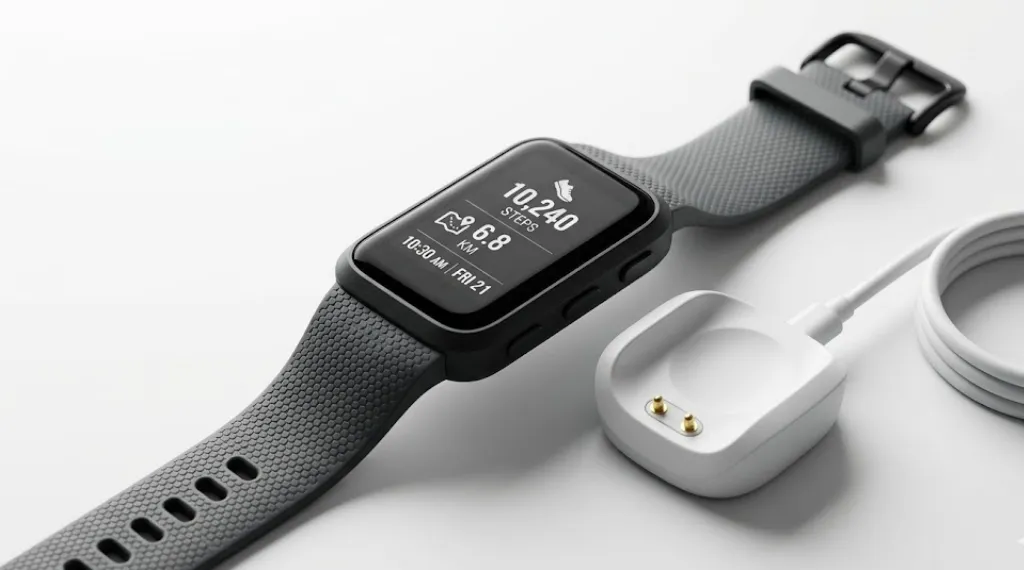
A decade ago, designing a consumer electronics product mostly meant thinking about buttons, screens, and physical controls. Smart device product design today means thinking about an entire ecosystem, because most connected products now live across a physical device, a companion mobile app, and often a cloud service that ties everything together.
UX design for consumer electronics has become just as important as the physical shell. A smart thermostat with a beautifully designed dial is undermined if the companion app takes four taps to change the temperature. Users now judge a hardware product partly on how smooth its digital onboarding feels, whether pairing with Bluetooth or Wi-Fi just works on the first try, and whether firmware updates happen quietly in the background instead of demanding attention.
This shift has real consequences for how design teams are structured. The strongest hardware companies now involve UX designers and even backend engineers in early industrial design reviews, because a decision like adding a status LED versus a small display affects not just the enclosure but the entire interaction model the user will experience for years.
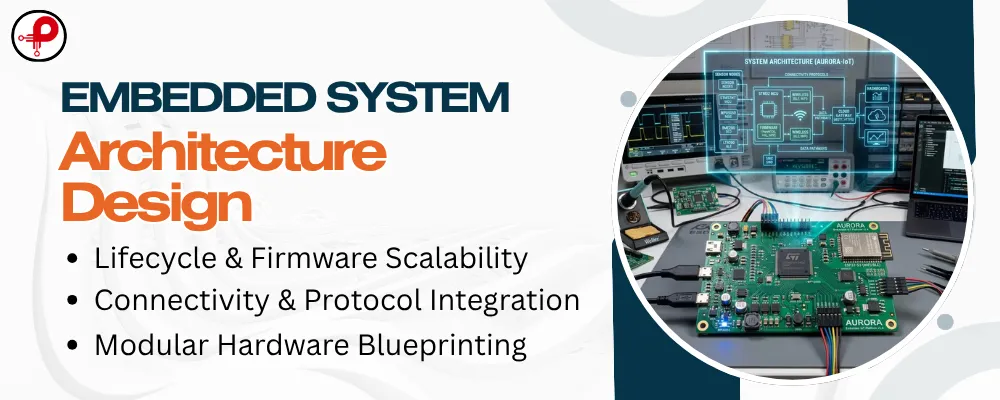
IoT product design adds another layer of complexity. Connectivity choices, whether Bluetooth Low Energy, Wi-Fi, Zigbee, or a cellular module, affect battery life, antenna placement, certification requirements, and even the physical size of the device. A smart lock with a cellular fallback for when Wi-Fi drops needs meaningfully more internal space and a larger battery than one that only relies on a home network, and that tradeoff needs to be decided early rather than discovered halfway through engineering.
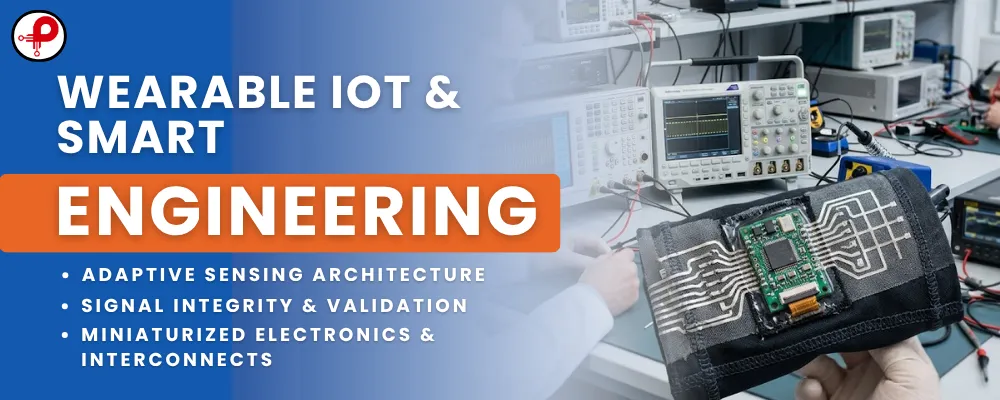
Wearable technology design pushes these constraints even further. A fitness tracker has to balance comfortable, skin safe materials, water resistance, multi day battery life, and a screen or haptic feedback system, all within a footprint small enough to wear comfortably around the clock. Few categories demand tighter cooperation between industrial design and electrical engineering than wearables, simply because there is so little room to hide compromises.
Material Selection and Sustainable Electronics Design
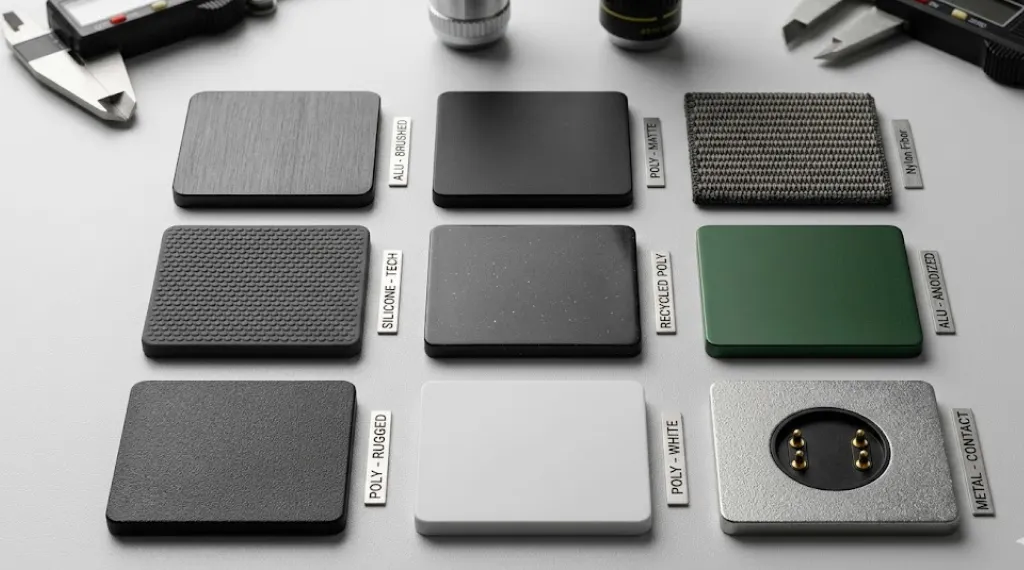
Material choice deserves its own deeper look because it touches nearly every other decision in the process. Polycarbonate remains popular for its strength to weight ratio and ability to take detailed surface textures. Aluminum signals quality and dissipates heat well, which makes it a frequent choice for products that run warm, like laptops or set top boxes. Silicone overmolding adds grip and a softer tactile feel, often used on the edges of speakers or handheld devices that need to survive drops.
Sustainable design has evolved from a nice-to-have to a core expectation. Utilizing recycled plastics and mono-material construction allows for simplified recycling at end-of-life, moving away from complex, non-recyclable assemblies.
Modular architectures allow for critical components like batteries or ports to be replaced independently. This approach directly counters the “replace the whole device” culture by extending the functional lifespan of the core product.
Regulatory bodies and consumers now favor designs that move away from permanent adhesives. Implementing accessible screws and standardized connectors ensures that devices are truly serviceable, rather than disposable.
Supporting the right to repair extends to documentation. Providing published repair guides enables users and third-party shops to fix devices, a requirement increasingly emphasized by EU regulations and consumer advocacy groups.
Common Mistakes That Quietly Sink Good Products
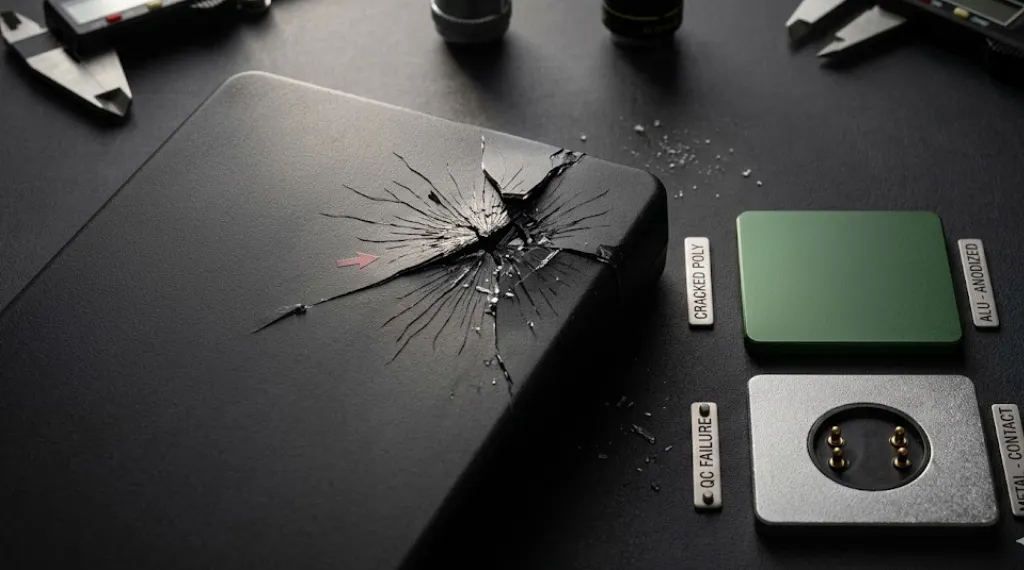
After being in enough design reviews, you start noticing the same mistakes on repeat across completely different companies and product categories.
Skipping early collaboration between industrial design and electrical engineering is probably the single most expensive habit. Teams that design the shell first and hand it to engineers afterward almost always end up redesigning something. Underestimating thermal management is another classic, especially in compact devices where heat has nowhere to escape. Choosing materials based purely on looks without testing how they hold up to drops, UV exposure, or daily handling causes warranty headaches that show up six months after launch, not during development.
Another quiet killer is ignoring accessibility. Tiny buttons, low contrast displays, or controls that assume perfect eyesight and steady hands exclude a meaningful portion of your potential customers, and that is before considering that accessible design often just makes a product better for everyone.
How Much Does Consumer Electronics Product Design Cost
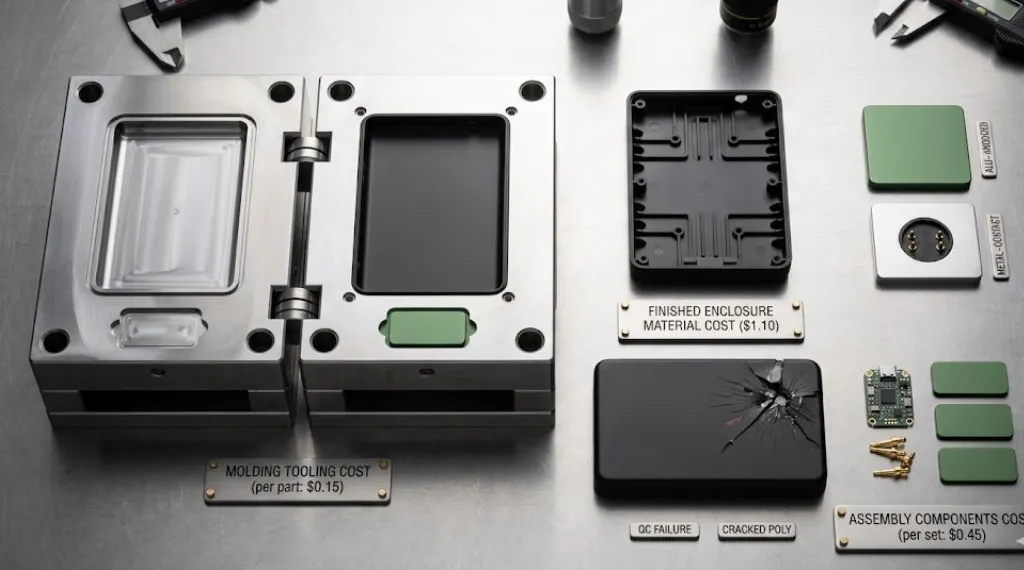
This is one of the most common questions, and the honest answer is that it depends heavily on complexity. A simple accessory with minimal electronics might run in the tens of thousands of dollars for design and engineering work. A mid complexity connected device with custom electronics, a confident industrial design language, and full certification can land anywhere from the low hundreds of thousands into much higher figures depending on wireless requirements and firmware complexity.
Industrial Design & CMF
This covers everything from initial concept sketches to final 3D surface models. While it typically represents a smaller slice of the total budget, it has an outsized effect on the end user’s perception of the product’s value and overall desirability.
Mechanical Engineering & DFM
Engineering ensures your concept can actually be molded and assembled at scale. A thorough Design for Manufacturing (DFM) review is critical here to identify potential production bottlenecks, such as draft angles or wall thicknesses, before they become expensive errors.
Electronics Integration
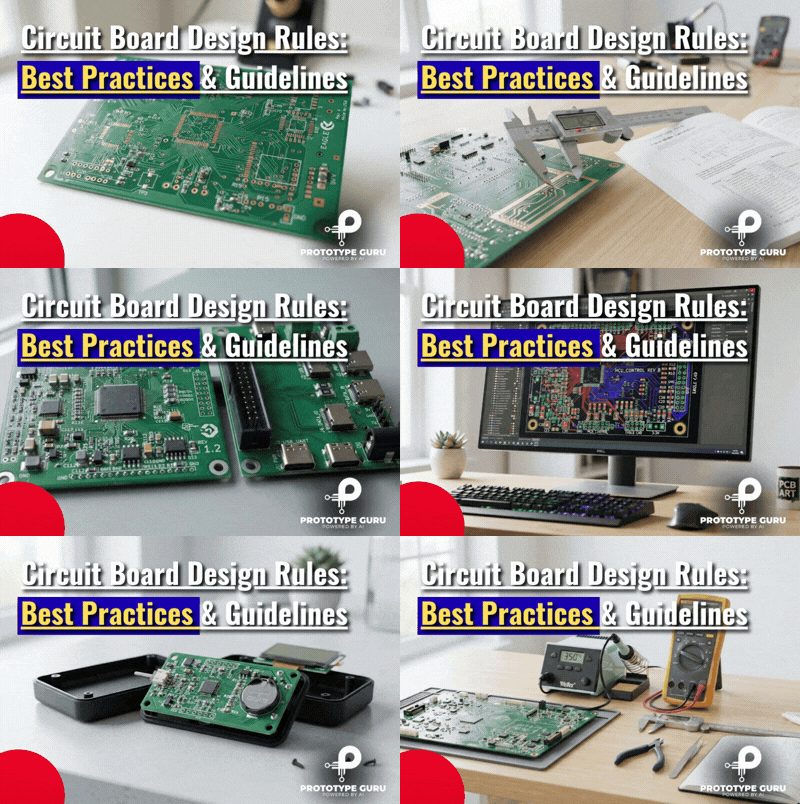
This includes the PCB design, component selection, and integration of wireless modules. For connected devices, this is frequently the single largest line item in the development budget and requires meticulous planning to ensure signal integrity and regulatory compliance.
Injection Molding Tooling
This is often the cost that surprises first-time founders. The expense of cutting steel molds for your plastic parts is committed long before the first unit ships. Complex, multi-cavity tooling can run tens of thousands of dollars, making prior DFM checks essential to avoid re-tooling.
Requirements & Strategy
The biggest lever you control is how early you define your constraints. Projects that start with a clear, well-documented product brief—outlining the target user and core technical boundaries—consistently cost less than those that begin sketching before a consensus on requirements is reached.
How to Choose a Product Design Firm for Electronics
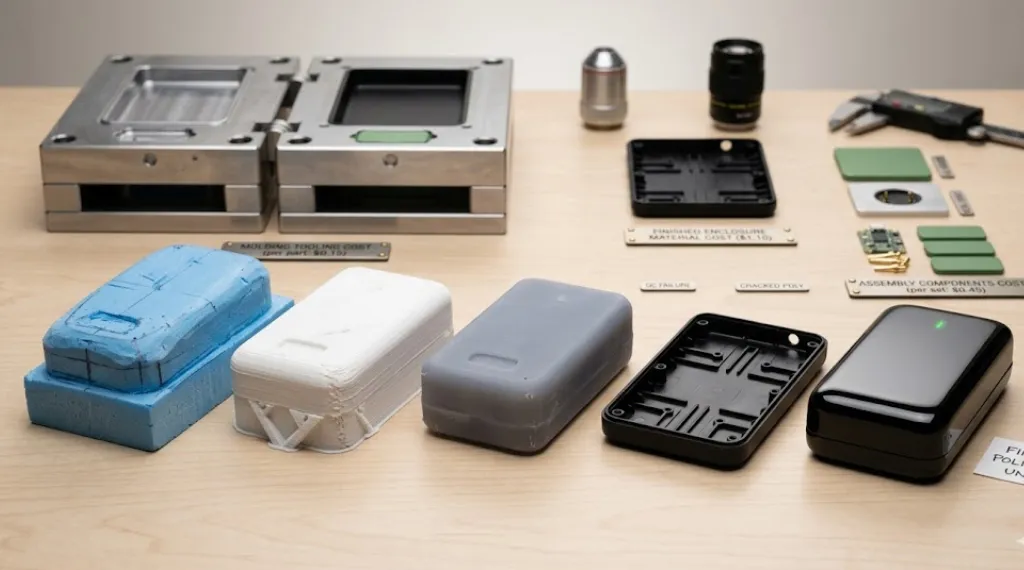
If you are not building this in house, picking the right partner matters enormously. Look for a firm that has actually shipped products in a category similar to yours, not just generic design experience. Ask to see physical prototypes from past projects, not only polished renderings, since renderings hide a lot of practical compromises.
Pay close attention to how the firm handles the handoff between industrial design and engineering. If those are two completely separate teams with little overlap, you are likely to inherit the same friction described earlier in this guide. Firms that run integrated reviews where mechanical, electrical, and industrial design sit at the same table tend to produce fewer expensive surprises later.
Also clarify intellectual property ownership early. You want full ownership of design files, CAD models, and any firmware deliverables once you have paid for the work, with no ambiguity about retained rights on the firm’s side.
In House Team or Hardware Product Design Services
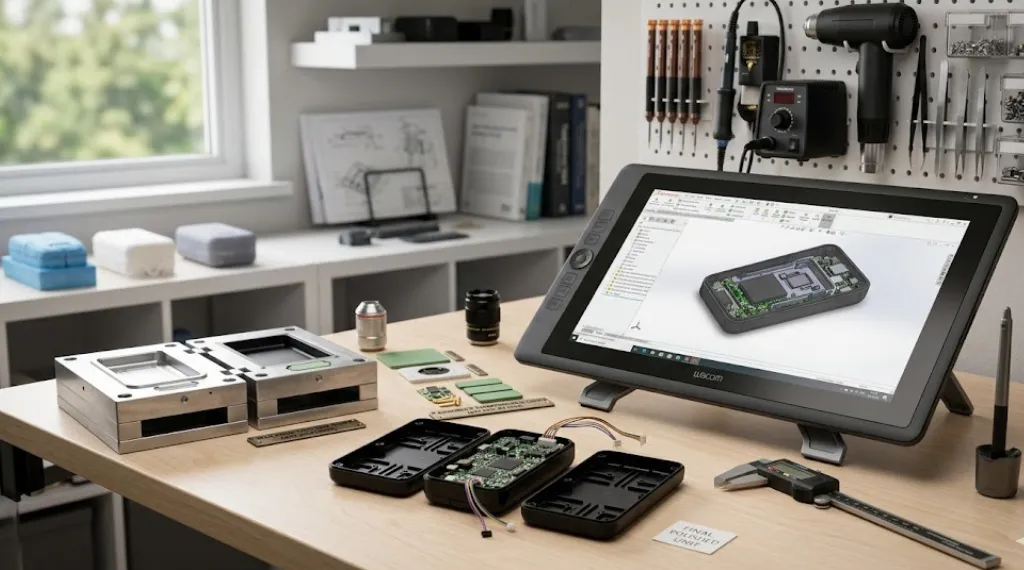
One decision founders face early is whether to build an internal design team or work with outside hardware product design services. There is no universally correct answer, but a few patterns help clarify the choice.
Building in house makes the most sense when consumer electronics design is core to your company’s long term identity and you expect to ship multiple generations of related products. The upfront investment in salaries and tools is higher, but you retain institutional knowledge that compounds with every product cycle.
Working with an outside design partner makes more sense for a first product, a side project testing market fit, or a company whose core competency lies elsewhere, such as a software company adding a companion hardware accessory. A good external partner brings experience across many product categories that an internal team built from scratch simply has not accumulated yet.
Many growing hardware companies land on a hybrid model. They keep a small internal team focused on brand identity, product strategy, and ongoing customer feedback, while partnering with specialized firms for PCB design, mechanical engineering, or specific certification expertise they do not need full time. This approach keeps fixed costs lower while still giving the product the depth of expertise each discipline requires.
| Factor | In-House Team | Outside Design Partner |
|---|---|---|
| Upfront cost | Higher, fixed salaries | Lower, project based |
| Speed for first product | Slower to start | Faster, existing expertise |
| Best for | Multiple product generations | First product, side projects |
| Institutional knowledge | Builds over time | Limited unless retained long term |
| Access to broad experience | Limited to team’s background | Wide, across many categories |
Frequently Asked Questions
1. What is consumer electronics product design?
↑2. How long does it take to design an electronic product?
↓3. How is industrial design different from product design?
↓4. Do I need a prototype before manufacturing?
↓5. What skills do you need for electronics product design?
↓6. How do I design eco-friendly electronics?
↓7. What is the role of regulatory certification in design?
↓8. Why is “Design for Manufacturing” (DFM) important?
↓Final Thoughts
Consumer electronics product design rewards patience and punishes shortcuts. The products that earn genuine loyalty are rarely the ones that simply look the best in a press photo. They are the ones where every decision, from the curve of the enclosure to the placement of a single button, was made with the real person who will use it every day in mind.
If you are starting your own product journey, the advice that holds up best after years of watching this industry is simple. Get your requirements right early, bring your design and engineering teams together from day one, prototype honestly instead of optimistically, and never treat certification or manufacturability as someone else’s problem to solve later.
Do that consistently, and you give your product a genuine shot at being one people are still happy to own years after they bought it.