Most product ideas look great on a whiteboard. The real test comes when that idea has to survive contact with materials, manufacturing limits, and actual users, and that is exactly the gap a prototype development company exists to close. If you have ever watched a promising concept fall apart the moment someone tried to build it, the missing piece was almost always a structured prototyping process rather than a bad idea.
This guide walks through what a prototype development company actually does, how the process unfolds from a rough sketch to a tested model, what it costs, and how to choose a partner who will save you time rather than waste it. Whether you are a first time founder or a product manager scaling an existing line, you will leave with a clear, practical understanding of what to expect.
What Is a Prototype Development Company?
A prototype development company is a team of engineers, designers, and fabrication specialists who turn a product concept into a physical or functional model before it goes into full production. Their work sits between the idea stage and manufacturing, and it exists specifically to catch problems while they are still cheap to fix. Whether structured as a small studio or a larger prototype manufacturing company with in house fabrication equipment, the core mission stays the same.
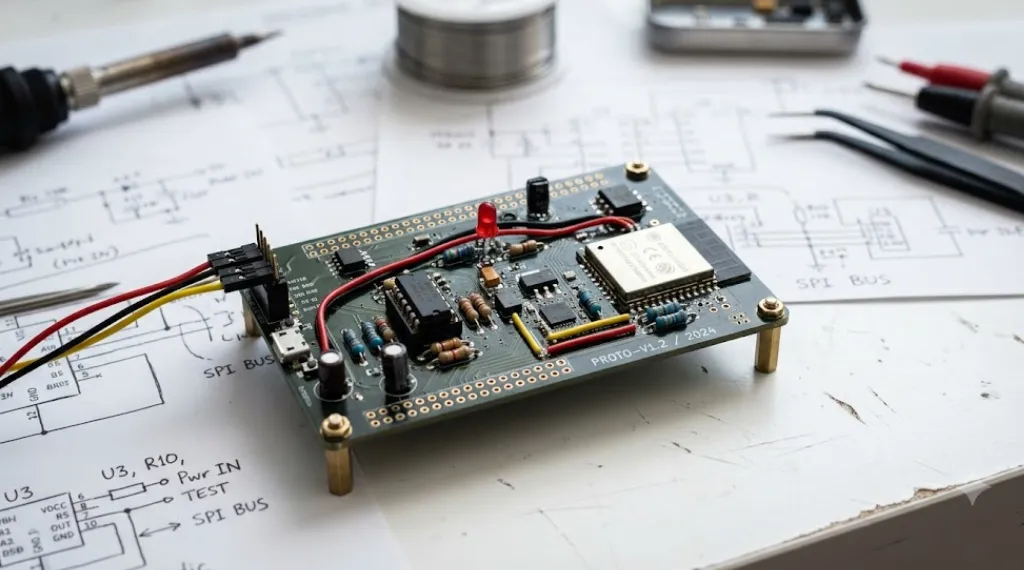
In simple terms, a prototype is an early, testable version of a product. It might be a rough 3D printed shell that only proves the size and shape work, or it might be a fully functional unit with working electronics, similar in spirit to a project built around an ESP32 PCB design guide, depending on what question the team is trying to answer at that stage.
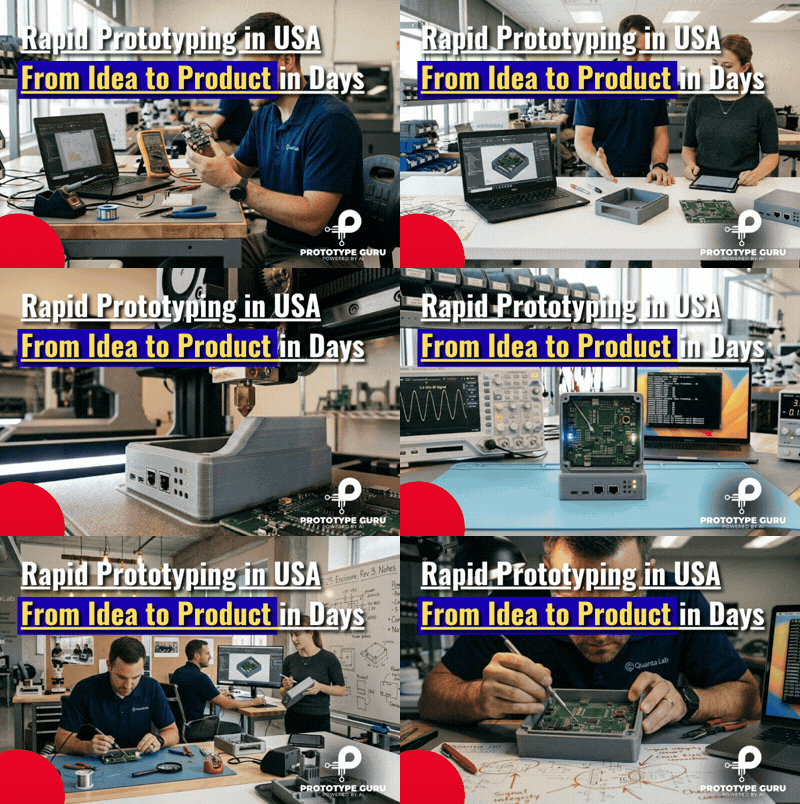
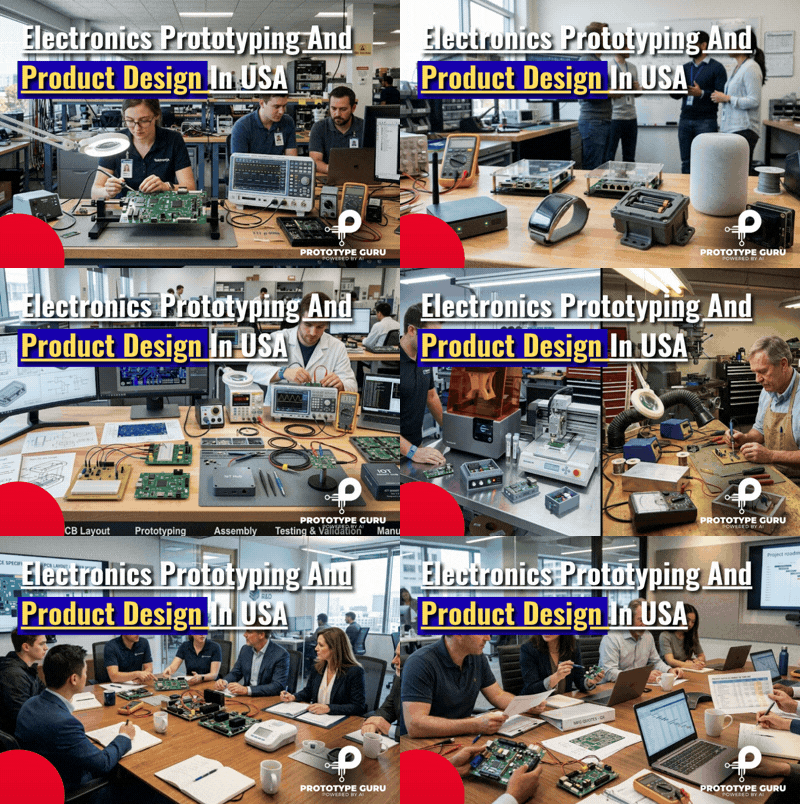
Most companies offering product prototype company services combine several disciplines under one roof. They are not the same as a contract manufacturer, since their job is to validate and refine a design rather than mass produce it, although many teams also help coordinate the handoff once a design is ready to scale, similar to the work covered in this overview of electronics prototyping and product design in the USA. This kind of custom prototype development work is especially valuable for hardware prototype company clients building something that has never existed in quite that form before, since off the shelf templates rarely fit a genuinely new custom prototype development challenge.
To put this in perspective, think of a movie storyboard versus the finished film. The storyboard lets a director catch pacing problems and plot holes cheaply, on paper, before a single camera rolls. A prototype plays that same role for a physical product. Skip it, or rush it, and the expensive mistakes show up later, after tooling and inventory have already been paid for.
How Does Prototype Development Work?
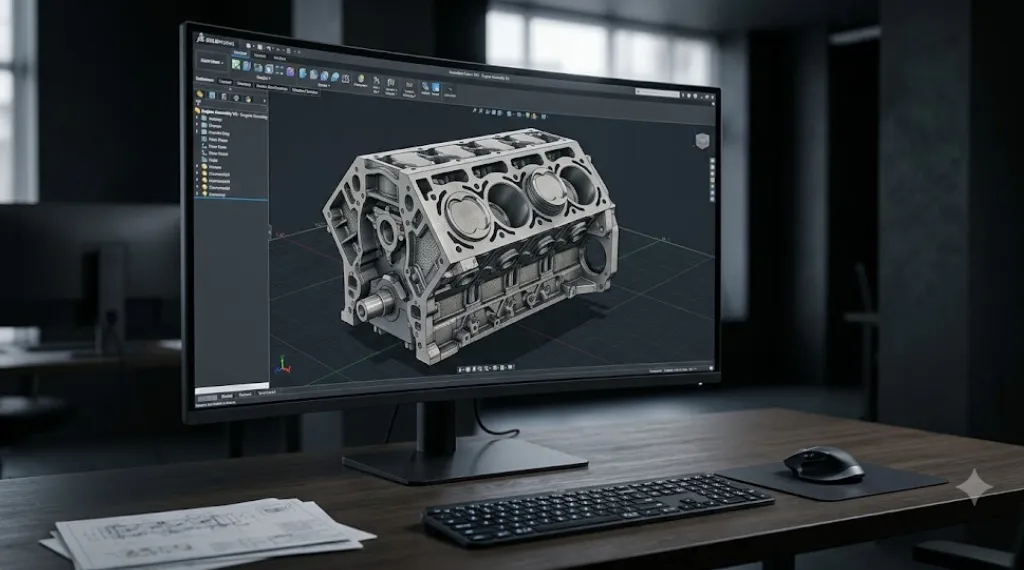
The work behind a finished prototype happens in stages, and skipping any one of them is where most costly surprises begin.
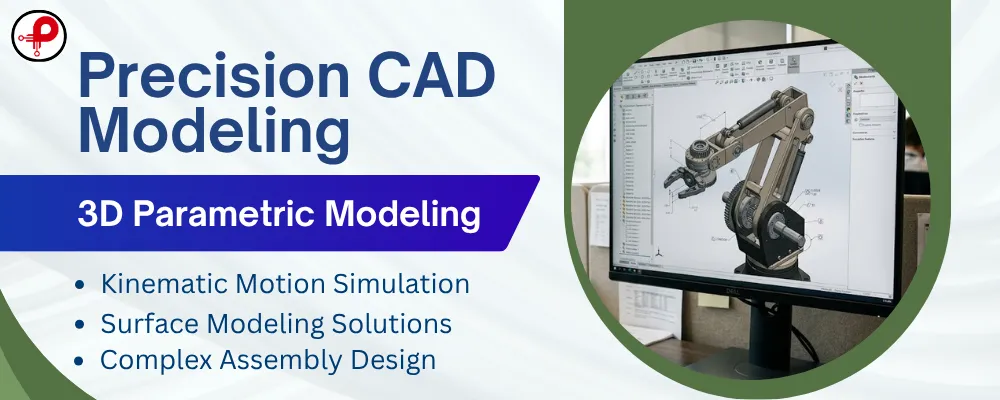
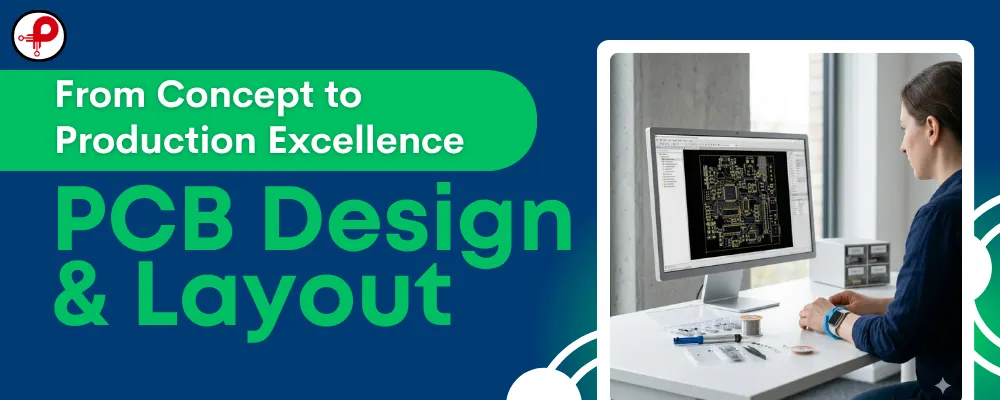
It starts with requirements gathering, where the team clarifies what the prototype actually needs to prove. A prototype meant to test ergonomics looks very different from one meant to validate electronics or manufacturing tolerances, so this step shapes everything that follows in any sound prototype design and development plan. From there, concept sketches and CAD prototype design work begins, translating the idea into a digital model that can be reviewed, measured, and adjusted before any material is cut or printed.
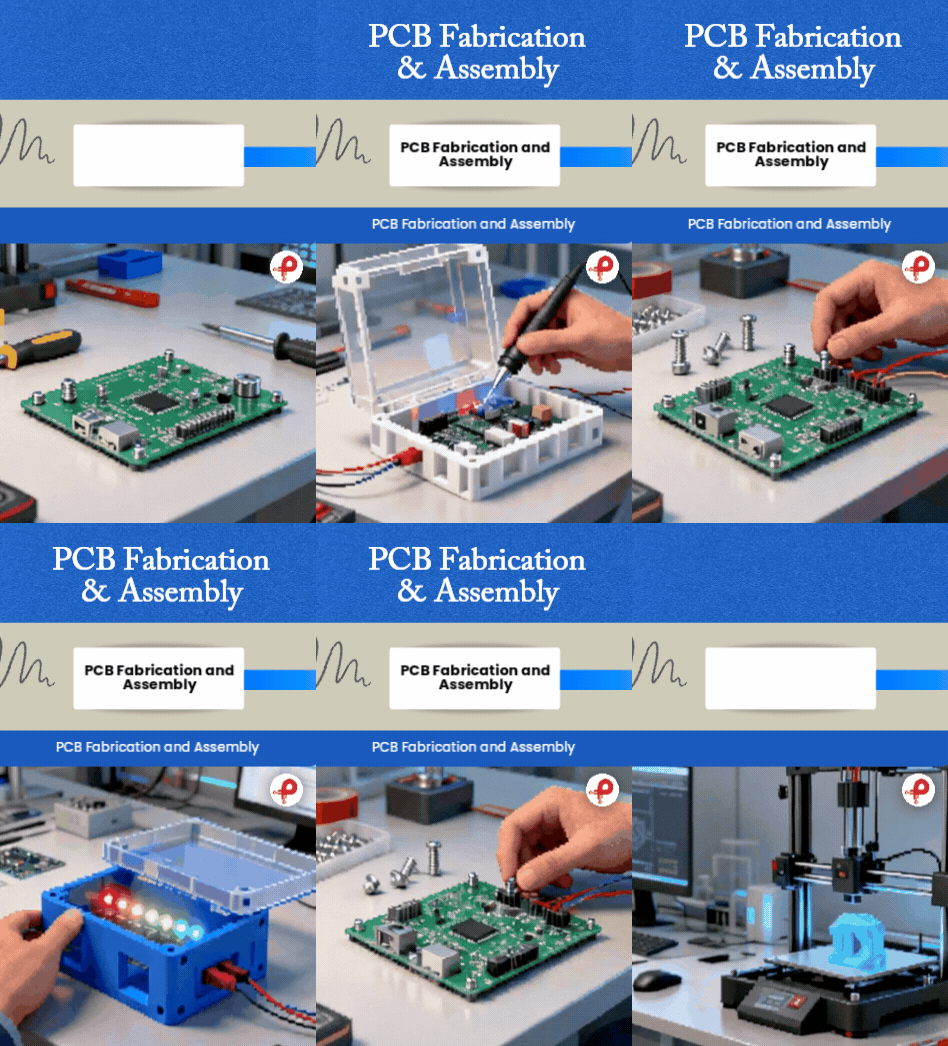
Once the digital model is approved, the team moves into fabrication. Depending on the product, this might involve 3D printing, CNC machining, or hand built mockups, chosen based on what level of fidelity the test requires. For electronics heavy products, this is also the stage where board layout begins, and design decisions made here directly affect whether the device will pass certification later, a topic covered in depth in this guide to electromagnetic compatibility testing.
After the physical prototype exists, testing and validation take over. The team checks fit, function, durability, and user experience against the original requirements, then documents what worked and what needs to change. This is rarely a single pass. Most prototypes go through several rounds of iterative prototype design before a version is considered ready to move toward production.
The Prototype Development Process Step by Step
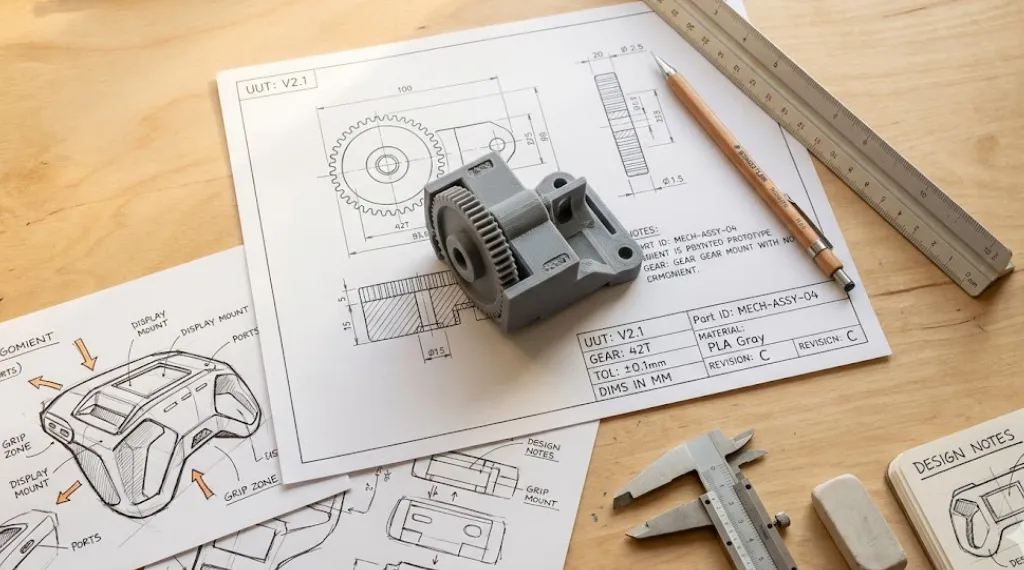
Here is how the process typically unfolds from initial concept to a validated, production ready design.
1. Requirements gathering
The team defines what the prototype needs to prove, along with budget, timeline, and target cost for the final product.
2. Concept sketching
Rough ideas are translated into simple drawings or digital sketches to align on direction before deeper design work begins.
3. CAD prototype modeling
A detailed 3D prototype modeling pass creates a digital version of the product that can be measured, adjusted, and shared with stakeholders.
4. Material and process selection
The team chooses fabrication methods and materials based on cost, durability, and how closely the prototype needs to match the final product.
5. Building the first prototype
The physical or functional model is built using the selected process, whether that is 3D printing, machining, or hand assembly.
6. Prototype testing and validation
The model is tested against the original requirements, checking fit, function, durability, and usability.
7. Feedback and revision
Issues found during testing are addressed through design changes, and a revised prototype is built if needed.
8. Design for manufacturing review
The design is reviewed against real manufacturing constraints to confirm it can be produced reliably at scale.
9. Pre production validation
A small batch is built using production intent materials and processes to confirm the design holds up outside the prototype shop.
10. Handoff to production
Final documentation, a bill of materials, and manufacturing files are prepared for full scale production.
Each of these steps matters, but feedback and revision tend to be where the real value of working with experienced prototype engineering company teams shows up, since a model that looks right on a screen can still fail the moment a real person tries to use it. A capable prototype engineering company treats this feedback loop as part of the deliverable, not an afterthought.
It is also worth knowing that this process rarely moves in a straight line. A failed durability test during step six might send the team back to step three to rework the geometry, or a material choice from step four might need to change after a cost review. Experienced teams build this iteration into the project timeline from the start rather than treating any single pass as final, which is one of the quieter advantages of working with a seasoned prototyping partner that has already seen where these loops tend to happen on similar products.
Key Benefits of Working With a Prototype Development Company
There are several clear advantages to bringing in a dedicated prototype manufacturing company rather than trying to handle every stage internally with limited resources and equipment.
Faster time to market is one of the biggest benefits. A rapid prototype company avoids the common rework cycles that come from untested assumptions, which means fewer wasted iterations and a shorter path to a design that is actually ready for production. Working with a rapid prototype company also tends to shorten the gap between a first sketch and a model investors or stakeholders can actually hold. This is the core promise behind effective prototype design and development, since speed without sacrificing quality is what separates a useful prototyping partner from one that simply produces models for the sake of having something to show.
Lower long term costs follow closely behind. A prototype built with manufacturing in mind from day one avoids expensive redesigns after tooling has already been ordered, and proper proof of concept development early on prevents the company from investing heavily in an idea that was never going to work as planned.
Better product reliability is another major benefit. Prototypes tested for durability, usability, and real world conditions are far less likely to fail once they reach customers, which matters enormously for products where a defect means a costly recall rather than a quick fix.
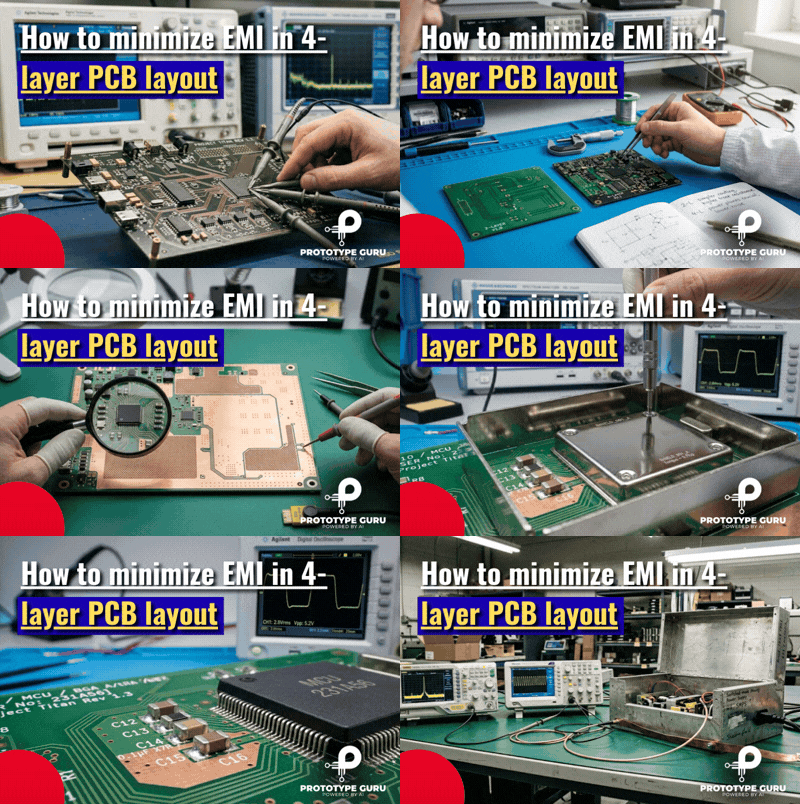
Access to specialized expertise rounds out the list. Whether a product needs precision mechanical parts, embedded electronics, or a combination of both, a dedicated industrial prototype company has typically solved similar problems before, including the kind of design challenges covered in this practical guide to minimizing EMI in a four layer PCB layout for products that combine mechanical and electronic systems.
Tools and Technology Behind Modern Prototyping
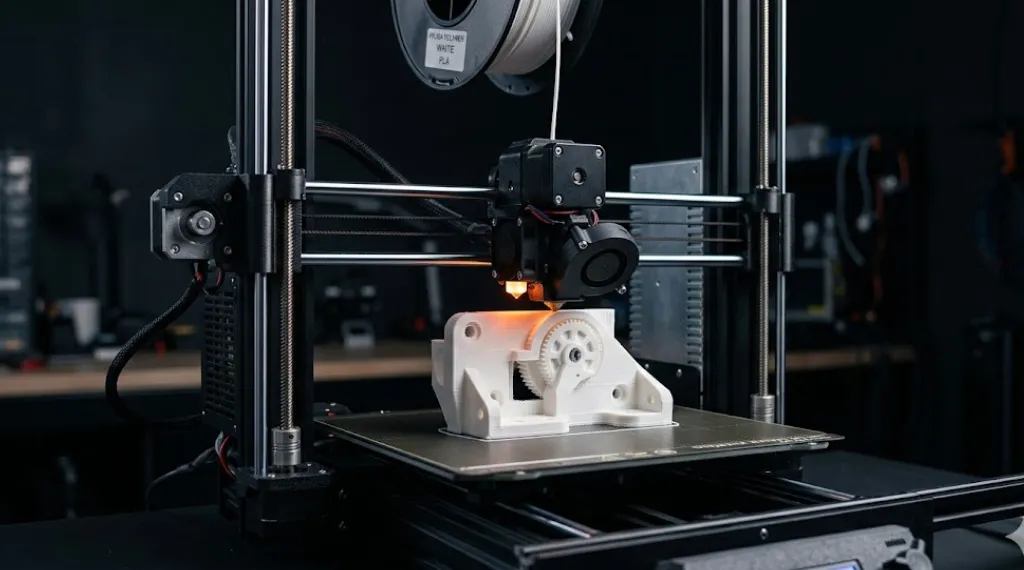
Prototype development tools and methods directly influence how useful and accurate the final product becomes. Understanding behind-the-scenes processes helps teams make better design decisions, reduce development errors, and build reliable, production-ready prototypes with improved performance and faster iteration cycles.
Modern prototyping combines physical manufacturing, digital simulation, and advanced testing systems. Each method contributes to refining design accuracy, validating performance, and preparing products for real-world manufacturing and deployment environments.
Additive Manufacturing (3D Printing)
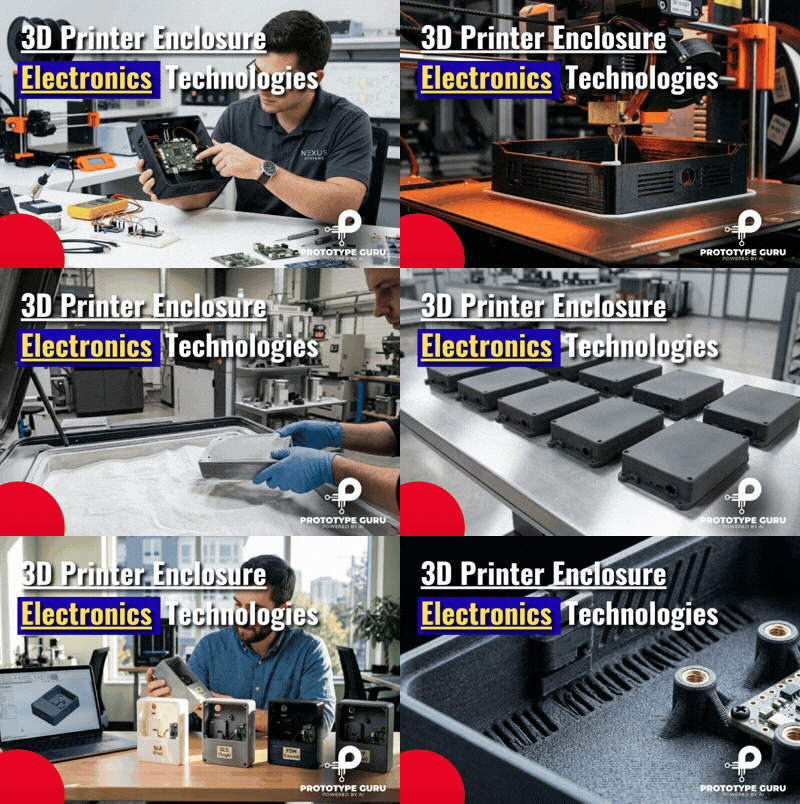
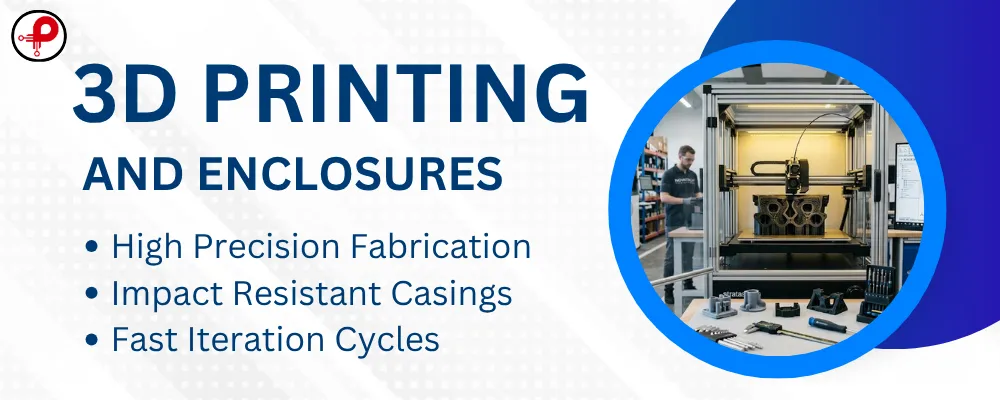
3D printing enables rapid creation of physical components directly from CAD models within hours. It is widely used in early-stage prototyping to test geometry, fit, and concept feasibility before investing in tooling or production-grade manufacturing.
Multi-Technology Printing Approaches
Different prototype stages require different printing technologies. Advanced teams combine resin, FDM, and industrial-grade methods to gradually improve precision, durability, and surface finish as the product moves from concept to functional prototype validation.
Software Prototype Development
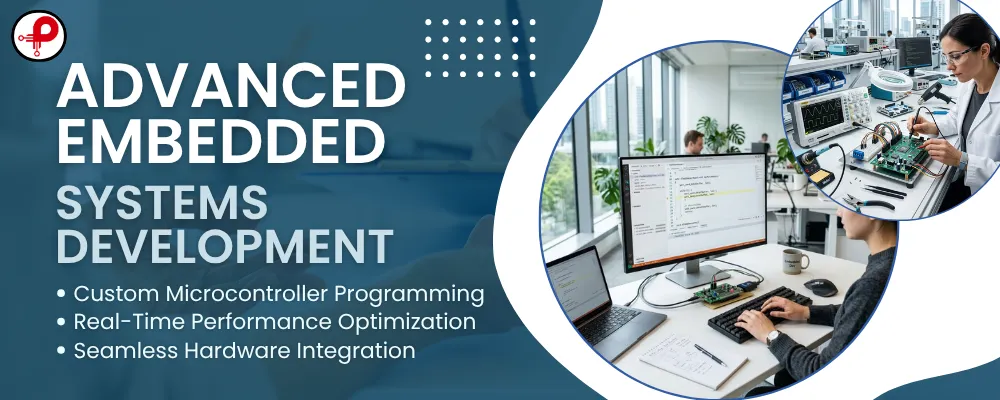
Software prototyping includes firmware, UI, and system logic development alongside hardware models. This ensures full system-level testing, allowing teams to validate user experience, connectivity, and performance in integrated hardware-software environments.
Hardware–Software Integration Collaboration
Successful prototypes depend on tight collaboration between hardware and software teams. Early integration reduces compatibility issues, improves debugging efficiency, and ensures both physical and digital components function seamlessly in real-world conditions.
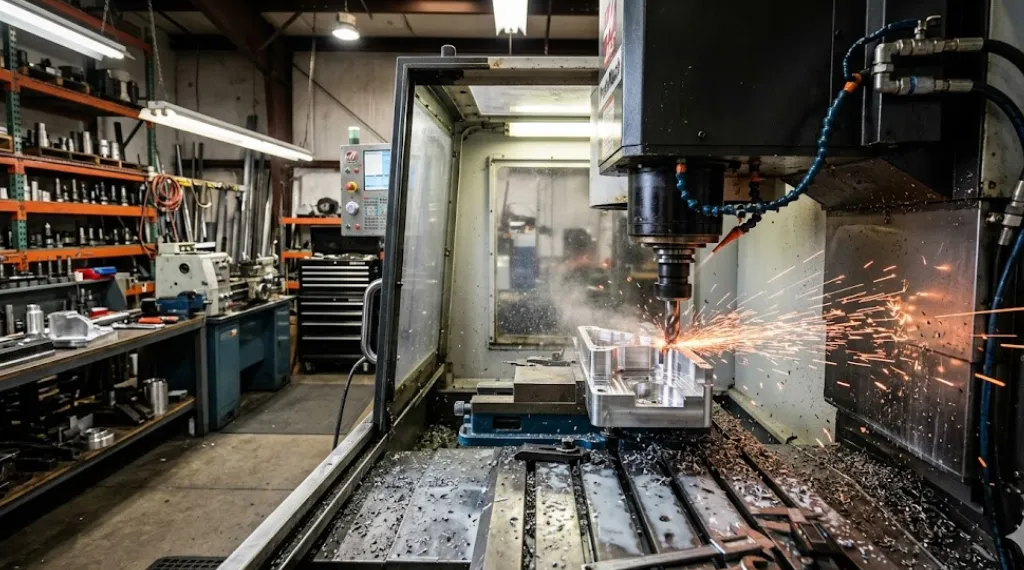
CNC Machining for Functional Prototypes
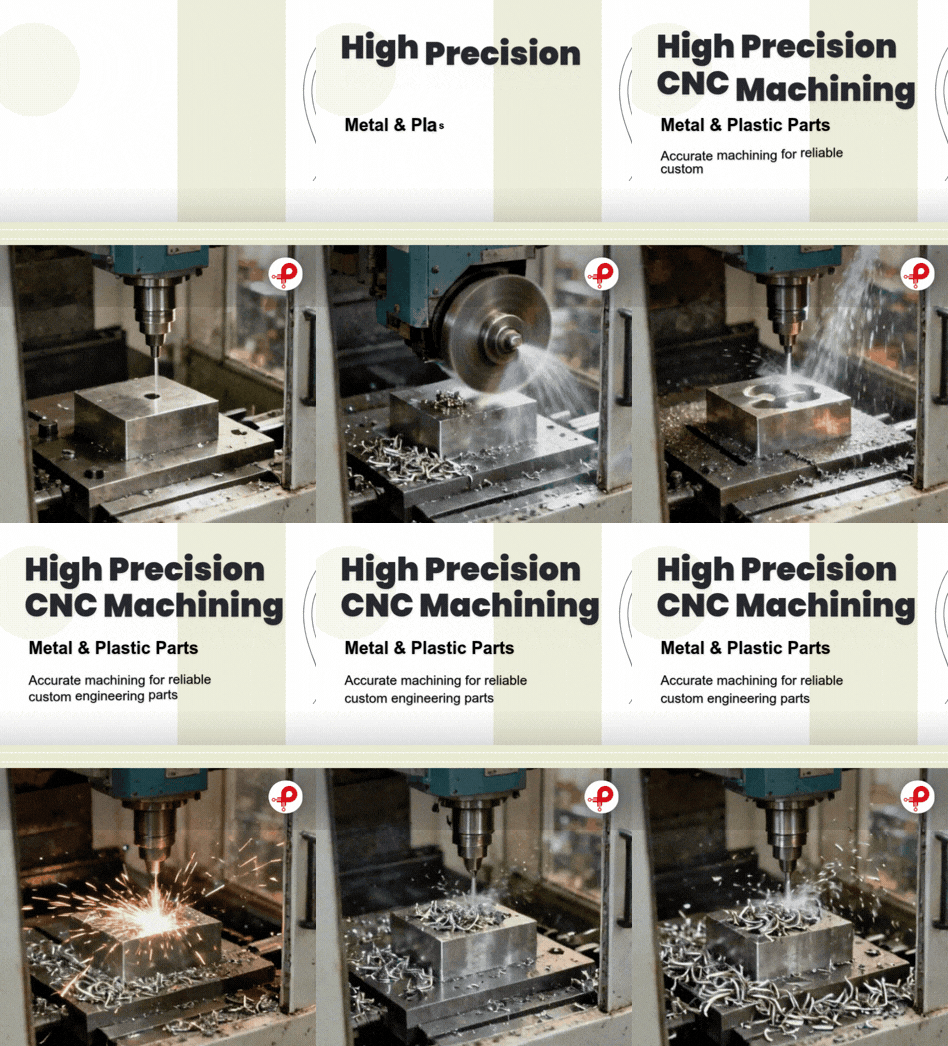
CNC machining produces high-precision, durable parts that closely replicate final production materials. It is ideal for later-stage prototyping where strength, durability, and mechanical performance testing under real operating conditions are required.
Simulation and Engineering Test Systems
Simulation tools allow engineers to predict stress, heat, and electrical behavior before building physical prototypes. Combined with testing systems, they help identify issues such as EMI and switching noise early, reducing costly redesigns.
In House Prototyping vs Hiring a Prototype Development Firm
Many companies face a real decision between building prototypes internally or working with an outside specialist. Here is how the two options typically compare.
| Feature | In-House Prototyping | Outside Prototype Development Firm |
|---|---|---|
| Upfront cost | Lower if equipment and staff already exist | Project based, often more predictable |
| Speed | Limited by available equipment and staff bandwidth | Usually faster due to dedicated focus and tools |
| Access to varied fabrication methods | Limited to what the company already owns | Typically includes multiple processes under one roof |
| Experience across industries | Often narrow, based on the company’s own product history | Often broad, having worked across many product categories |
| Flexibility for scaling | Limited by internal headcount and equipment capacity | Easy to scale up or down per project |
| Long term IP control | Fully retained internally | Retained through clear contracts with a reputable partner |
Neither option is universally better. A company with strong internal engineering and the right equipment may handle simple prototypes just fine. A company building something unfamiliar, time sensitive, or technically complex, such as a connected device that needs both mechanical and electronic validation, often benefits more from outside expertise, particularly when the product involves something like a lithium ion battery protection circuit that carries real safety stakes if the prototype testing is rushed.
Cost Factors in Prototype Development
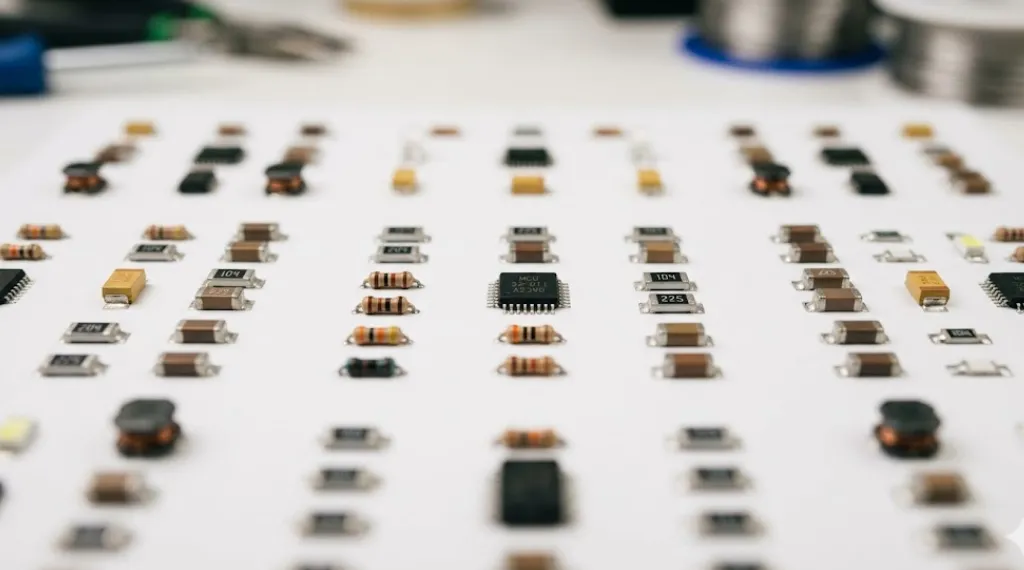
Pricing for this kind of work varies widely depending on several factors that are worth understanding before requesting a quote.
Fidelity level is the largest driver. A rough proof of concept built to test one specific question costs far less than a fully functional, near production prototype that needs to look, feel, and perform like the final product.
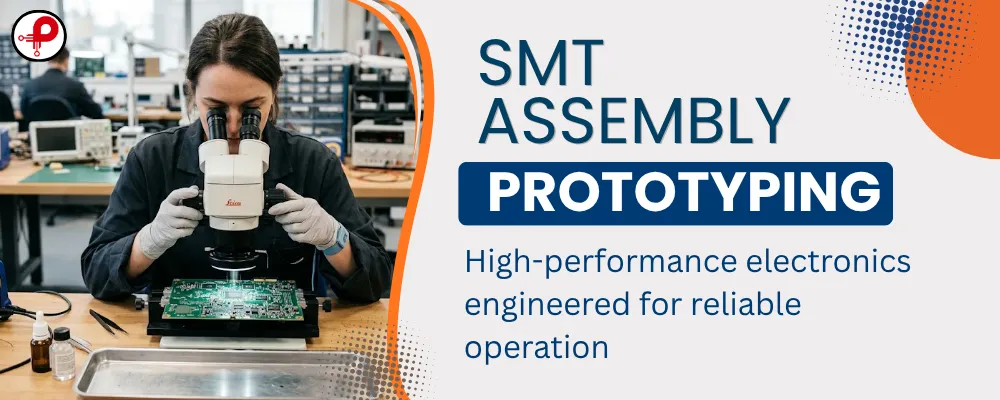
Material and process choice adds cost in a fairly predictable way. 3D printing in basic plastic is inexpensive and fast, while CNC machining in metal or producing a working circuit board, including assembly work like the soldering covered in this surface mount technology soldering guide, increases both time and expense.
Complexity and part count matter as well, particularly for products that combine mechanical housings with embedded electronics. A product with a wireless module and an audio system, similar to a build like the ESP32 audio player using the YX5300 MP3 module, requires more coordination than a simple mechanical part.
Number of iterations rounds out the budget conversation. Teams that plan for two or three rounds of revision from the start tend to budget more accurately than those who assume the first prototype will be the last one needed.
Common Mistakes and Challenges in Prototype Development
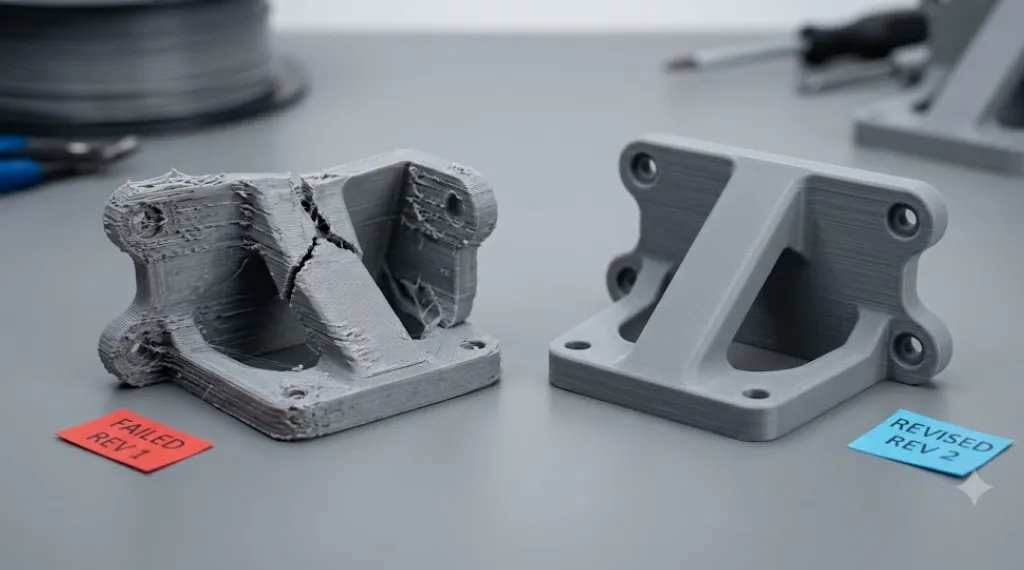
Even experienced hardware teams often face avoidable setbacks during product development. Many issues arise from skipping early validation, underestimating real-world manufacturing limits, and making rushed component or design decisions. These mistakes can significantly increase cost, delay timelines, and reduce the chances of a successful market-ready product launch.
Skipping PoC often leads teams to invest heavily in unvalidated ideas. A PoC confirms core functionality early, reducing the risk of costly failures during prototyping or production.
Lab prototypes may fail at scale if manufacturability is ignored. Early design decisions must consider production limits for smooth transition to mass manufacturing.
Ignoring long-term component availability can disrupt production. Obsolete parts often force redesigns, causing delays and increasing overall development cost.
Products may pass functional tests but fail regulatory approval due to EMI. Proper PCB layout, shielding, and early testing are essential to avoid compliance issues.
First prototypes are for learning, not production. Skipping iterations leads to hidden design flaws appearing late in development or after product launch.
Without repeated testing, critical weaknesses remain hidden. Iterative validation improves durability, performance, and reliability before final production release.
Industries That Rely on Professional Prototype Development
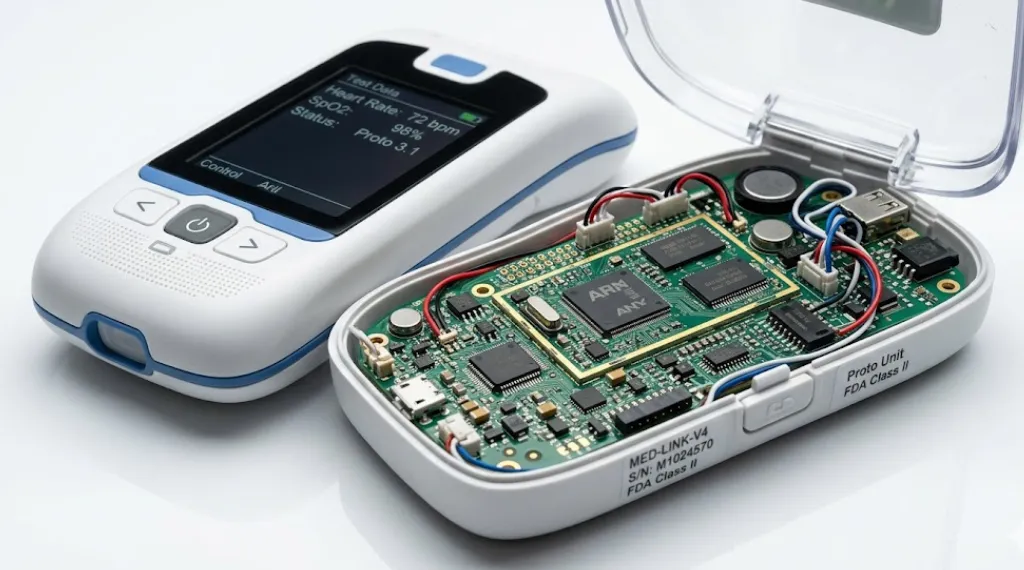
The need for careful prototyping spans far more industries than most people realize, and the stakes differ significantly depending on where the product ends up being used.
Consumer electronics represent the largest and most visible category, covering everything from smart home devices to wearables and portable audio equipment. The pressure here usually combines tight cost targets with short development timelines, since consumer products often need to reach shelves before a competitor releases something similar.
Medical devices sit at the opposite end of the spectrum in terms of risk tolerance. A prototype destined to become a patient monitor or diagnostic tool must meet strict regulatory standards, and design flaws are not just expensive, they can be dangerous. Design teams working in this space typically build in extra rounds of testing and documentation compared to a consumer product of similar complexity.
Industrial and automation equipment makes up another major category, often involving prototypes that need to survive harsh environments such as temperature extremes, vibration, or exposure to dust and moisture. An industrial prototype company working in this space typically builds in extra margin during testing, since a failure in the field is far more costly than a failure on the bench. Engineering organizations such as IEEE publish extensive research on reliability testing for these conditions, and experienced industrial prototype company teams draw on this body of knowledge when planning validation tests.
The Internet of Things category has grown rapidly and brings a unique set of challenges, since many IoT products combine wireless communication, battery power, and small form factors all in the same device. Getting the antenna placement, power management, and signal routing right simultaneously, a challenge explained further in this overview of how Bluetooth works in embedded systems and IoT devices, requires a level of coordination that is difficult to achieve without dedicated prototyping expertise.
How to Choose the Right Prototype Development Firm
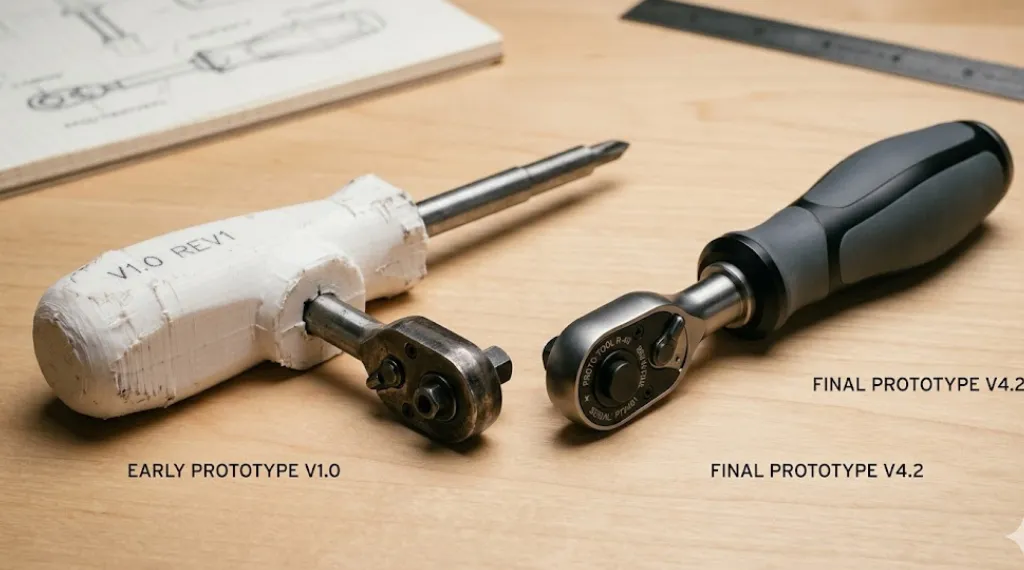
Choosing a prototype development partner requires careful evaluation beyond pricing. The right partner brings technical experience, structured processes, and reliable engineering practices that reduce risk, improve product quality, and ensure a smoother transition from concept to production-ready development.
Strong prototype partners validate ideas early, manage component risks, document testing properly, and ensure consistent engineering quality across all stages of product development.
Defining prototype objectives, budget, timeline, and target costs for the final product.
Translating rough ideas into visual sketches to align on design direction early.
Creating detailed 3D models for measurement, adjustment, and stakeholder review.
Choosing fabrication methods based on cost, durability, and production requirements.
Constructing the functional model using 3D printing, machining, or hand assembly.
Checking fit, function, and usability against original requirements.
Addressing issues discovered during testing through design iterations.
Ensuring the design is optimized for reliable, scalable manufacturing.
Building a small batch using production-intent materials to verify feasibility.
Preparing final documentation, BOMs, and files for full-scale production.
Real World Example: From Rough Idea to Manufacturable Design
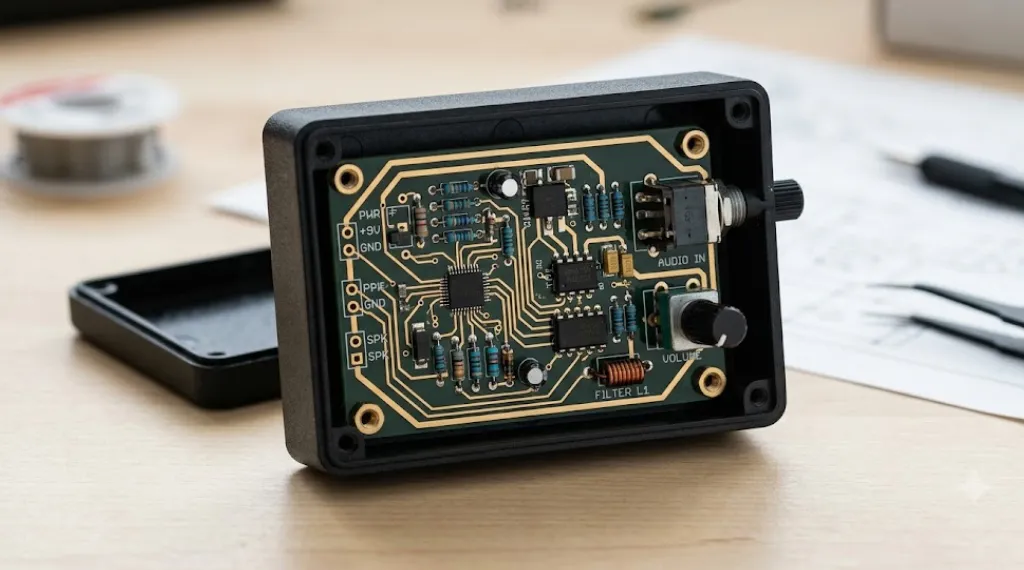
Consider a startup developing a portable audio device built around an embedded microcontroller and a small speaker driver, similar in spirit to the kind of build covered in this guide to automated optical inspection and how it works once the product reached the quality control stage. The team initially built a rough prototype on a breadboard, where it worked fine in isolated testing.
Once the design moved into an enclosure and a compact production board, new problems appeared. The casing interfered with antenna performance, and switching noise from the power circuit bled into the audio output. Working with an experienced prototype development company, the team revised the enclosure geometry, restructured the power plane, and adjusted component placement around the noise sensitive audio path. The redesigned prototype passed both functional testing and early compliance checks, and the product moved into production on schedule.
This kind of outcome is common. Most problems that appear mysterious in a finished product trace back to assumptions that were never properly tested during prototyping.
Frequently Asked Questions
1. What is included in prototype development services?
↑2. What is a product prototype?
↓3. Why prototype before manufacturing?
↓4. How long does prototyping take?
↓5. How much does prototype development cost?
↓6. What is the difference between a prototype and an MVP?
↓7. How do prototype companies reduce risk for startups?
↓8. How do I find a developer and when should I hire a firm?
↓9. What industries need prototyping the most?
↓10. How do I turn an idea into a prototype?
↓11. What questions should I ask before hiring?
↓Conclusion
A prototype development company sits at the foundation of nearly every successful physical product, and choosing the right product prototype company early on shapes everything that follows. The choices made during concept design, material selection, and testing determine whether a product performs reliably, manufactures smoothly, and reaches customers without expensive surprises along the way. Skipping careful prototyping, or treating it as a quick formality rather than a core part of the product development lifecycle, is one of the most common reasons promising ideas stall before they ever reach the market.
Whether you are building your first product or scaling an established line, investing in experienced prototype development services pays for itself many times over through fewer revisions, fewer manufacturing surprises, and a more reliable final product. Testing an idea properly the first time is, in almost every case, far cheaper than fixing it after tooling and inventory have already been committed.