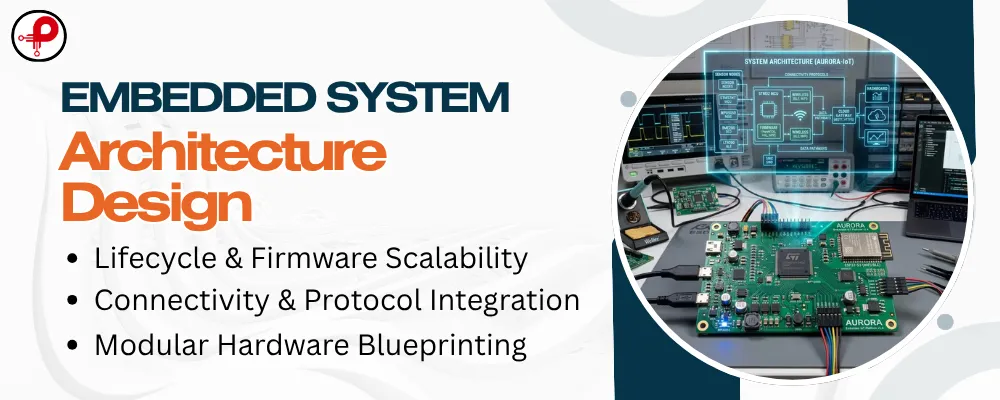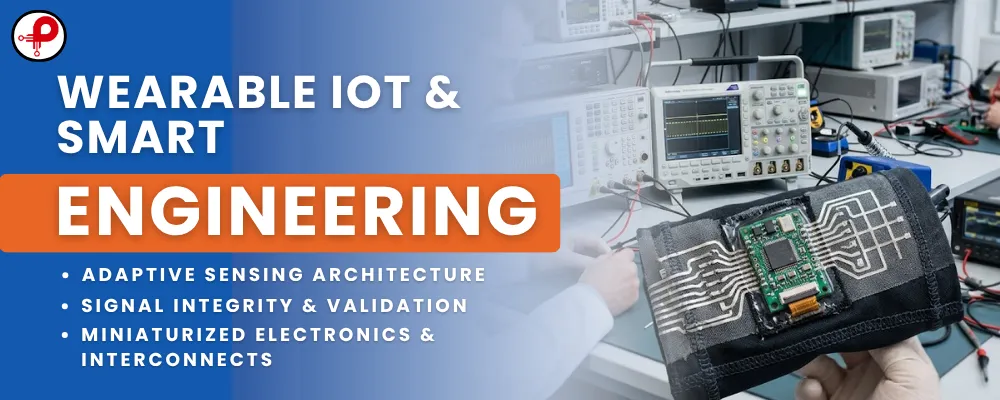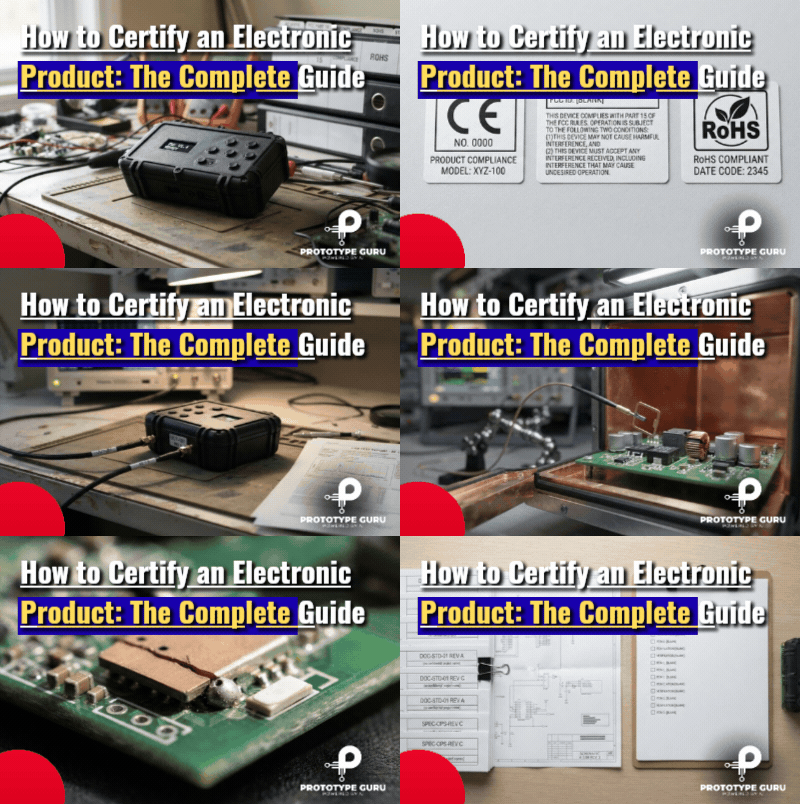


If you have ever tried to figure out how to certify an electronic product for the first time, you already know the feeling. One search engine tells you that you need CE. Another says FCC is mandatory. A third throws RoHS, WEEE, and UL into the mix and leaves you more confused than when you started. After eight years of taking hardware products from a rough prototype on a breadboard to a fully certified, market ready device, I can tell you this much: certification is not a mystery, it is a process, and once you understand the logic behind it, it stops being scary.
This guide breaks down exactly how to certify an electronic product for the markets that matter most, what each certification actually checks, how much it costs in 2026, how long it takes, and the design decisions that either save you months of rework or cost you a failed lab test. Whether you are a startup founder building your first connected gadget or an engineer managing product compliance for the fifth time, this article is written to be the only resource you need to bookmark.
1. What Does It Mean to Certify an Electronic Product
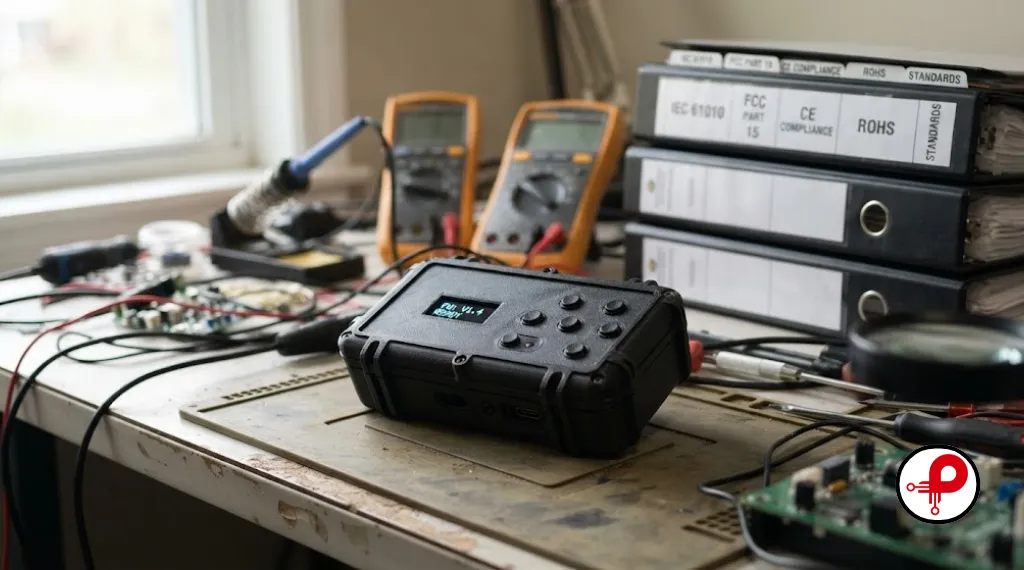
Electronic product certification is the formal process of proving that a device meets the legal safety, electromagnetic compatibility, and environmental standards required by the country or region where it will be sold. It is not a single certificate you buy once. It is a bundle of separate legal obligations, each tied to a specific regulator, a specific test standard, and a specific market.
When people ask how to certify an electronic device, what they usually mean is: how do I get my product legally ready to sell in the United States, the European Union, or another target market without getting stopped at customs, fined, or forced into a recall. The honest answer is that electronic product compliance is market specific. A product fully compliant for the US may still be illegal to sell in the EU, and vice versa.
2. Why Electronic Product Certification Matters
Skipping certification is not a shortcut, it is a liability. Untested products can overheat, catch fire, interfere with medical equipment, or expose users to hazardous materials. Beyond the ethical responsibility, there are very real business consequences:
Legal Market Access
Retailers, distributors, and major platforms like Amazon and Alibaba require formal proof of certification before they will list your product for sale.
Customs Seizure Prevention
Products lacking the correct labeling or required compliance documentation are routinely held, fined, or destroyed by border authorities.
Liability Protection
A documented product safety certification process serves as your strongest legal defense and evidence of due diligence if an incident occurs after launch.
Buyer Trust and Brand Credibility
Certification marks serve as a quality signal, proving to retailers and consumers that your product has passed independent, standardized safety testing.
If your goal is to build a company, not just ship one batch of units, treating compliance as an afterthought is one of the most expensive mistakes a hardware team can make.
3. Which Certifications Does Your Product Actually Need
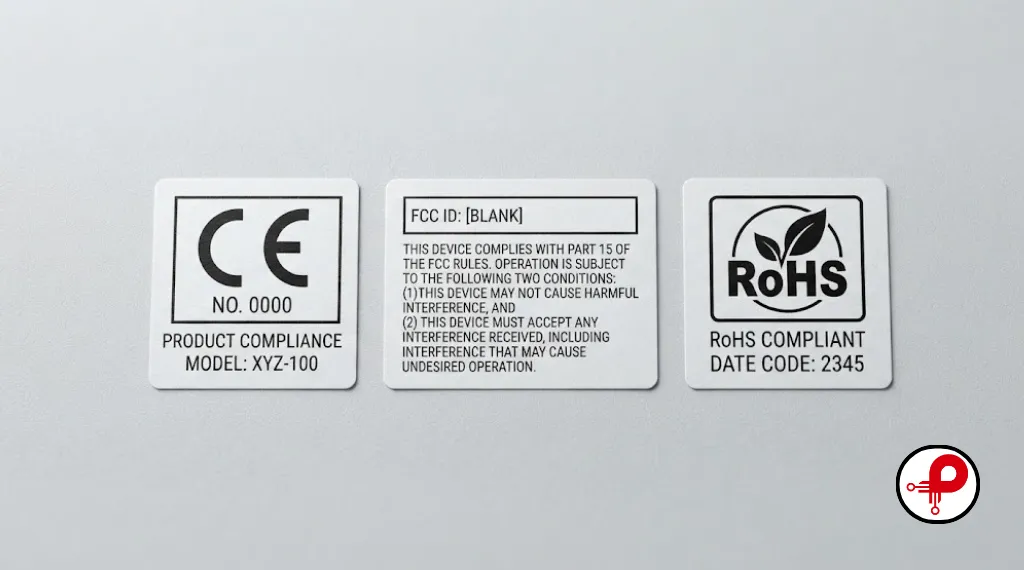
There is no universal answer here, but most consumer electronics sold in the US and EU will need some combination of the following.
CE Marking (European Union and EEA)
CE certification for electronics is mandatory for almost any electronic device sold in the European Union, Iceland, Norway, and Liechtenstein. It is not issued by a government agency. CE marking is a manufacturer’s self declaration that the product meets the relevant EU directives, most commonly the Radio Equipment Directive (RED), the Electromagnetic Compatibility Directive, the Low Voltage Directive, and RoHS. You can review the official framework directly on the European Commission’s CE marking page.
FCC Certification (United States)
FCC certification for electronics is required for any device that intentionally or unintentionally emits radio frequency energy, from Wi-Fi routers to simple power supplies. Devices fall into two authorization paths:
- Supplier’s Declaration of Conformity (SDoC): for unintentional radiators like laptops, monitors, and most wired electronics. The manufacturer self tests and self declares.
- FCC Certification: for intentional radiators such as Bluetooth, Wi-Fi, and cellular devices. This route requires review by an FCC recognized Telecommunication Certification Body (TCB) and results in a public FCC ID. You can verify any device’s authorization through the official FCC Equipment Authorization Search.
RoHS Compliance (Restriction of Hazardous Substances)
A RoHS certification guide would not be complete without pointing out that RoHS is not a certificate you apply for, it is a set of material restrictions you must prove through documentation. RoHS 3 (Directive 2015/863/EU) restricts ten hazardous substances, including lead, cadmium, mercury, and several flame retardants, to concentrations below 0.1 percent by weight (0.01 percent for cadmium). RoHS compliance testing usually involves XRF screening of every homogeneous material in the product. Full details are published by the European Commission on RoHS.
UL Certification (Safety, Voluntary in the US but Often Required by Retailers)
UL is not legally mandatory in most of the US, but many big box retailers will not stock a product without it, especially anything with a battery charger or mains connection. UL testing focuses on fire, shock, and mechanical hazards.
Other Regional Marks Worth Knowing
- CCC (China Compulsory Certification) for products sold in mainland China.
- KC Mark for South Korea.
- PSE Mark for Japan.
- BIS Certification for India.
Planning your certification roadmap around your actual launch markets, rather than certifying for every region up front, is the single biggest cost saving decision you can make early in electronic product certification.
4. CE vs FCC vs RoHS: A Side by Side Comparison
| Feature | CE Marking | FCC Certification | RoHS Compliance |
|---|---|---|---|
| Region | EU / EEA | United States | EU (also referenced in China, India, California) |
| What it checks | Safety, EMC, radio spectrum, environmental directives | Radio frequency emissions and interference | Restricted hazardous substances in materials |
| Issued by | Self declared by manufacturer | Self declared (SDoC) or TCB reviewed (Certification) | Self declared with supporting lab data |
| Mandatory? | Yes, for almost all electronics sold in EU | Yes, for RF emitting devices sold in US | Yes, tied to CE marking in EU |
| Typical cost | 1,500 to 15,000 USD | 600 to 20,000+ USD | 300 to 1,500 USD per material set |
| Typical timeline | 2 to 8 weeks | 2 to 16 weeks | 1 to 3 weeks |
| Physical mark | Yes, the CE logo | Yes, FCC ID or SDoC statement | No official logo, declared on documentation |
This table alone answers a huge share of the “CE vs FCC certification” searches people run when they are trying to figure out where to start.
5. The Electronic Product Certification Process, Step by Step
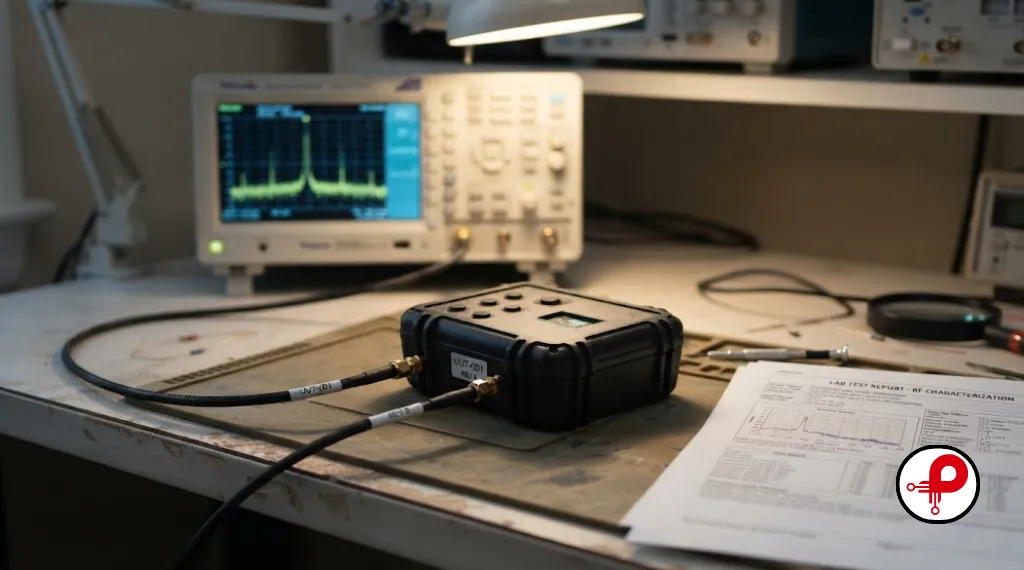
If you take away nothing else from this guide, remember these seven steps. This is the practical answer to how to certify an electronic product for almost any market.
1. Define Your Target Markets
Certification requirements are market specific. Decide whether you are launching in the US, EU, both, or globally before you spend a dollar on testing.
2. Classify Your Device
Determine whether it is an intentional or unintentional radiator, its voltage class, and whether it falls under specialized categories like medical or industrial equipment.
3. Run Pre-Compliance Testing
Before booking an accredited lab, test your prototype informally with a spectrum analyzer and near-field probes. This catches the majority of EMI/RF problems early.
4. Book Accredited Lab Testing
Choose an ISO 17025 accredited lab. For FCC intentional radiators, use a lab that also operates as a TCB to avoid handoff delays.
5. Compile Technical Documentation
Assemble your schematics, bill of materials, block diagrams, user manuals, internal and external photos, and your Declaration of Conformity.
6. Submit for Review
For CE and RoHS, you self-declare using your technical file. For FCC Certification, your TCB issues a formal Grant of Equipment Authorization and assigns your FCC ID.
7. Labeling and Record Maintenance
Affix the CE mark, FCC ID, or RoHS statement per regulatory size and placement rules, and retain your technical file for at least ten years in the EU.
Teams that follow this order, rather than jumping straight to lab booking, consistently finish electronics certification process work faster and with fewer surprise costs.
6. Designing for Compliance from Day One
The biggest myth in electronic product testing is that certification is something you deal with after the design is finished. In reality, the PCB layout decisions you make in week two of development determine whether your product passes on the first lab visit or burns through three rounds of expensive retesting.
A handful of design fundamentals decide the outcome of most compliance testing for electronics:
Following IPC-2221, IPC-6012, and IPC-A-610 keeps your board within the exact tolerances that labs and safety agencies expect to see.
A board designed with DFM avoids the mechanical and thermal defects that frequently manifest later as safety compliance failures.
A fragmented ground plane is a primary cause of failed EMC testing; solid, continuous return paths are critical for regulatory success.
Under-sizing traces creates excess heat and voltage drops, both of which can trip electrical safety standards during formal testing.
A well-planned layer stack-up controls impedance and reduces radiated emissions before you ever reach the official test chamber.
High-speed digital and RF traces that are not properly terminated or shielded generate the exact emissions that FCC and CE testing catch.
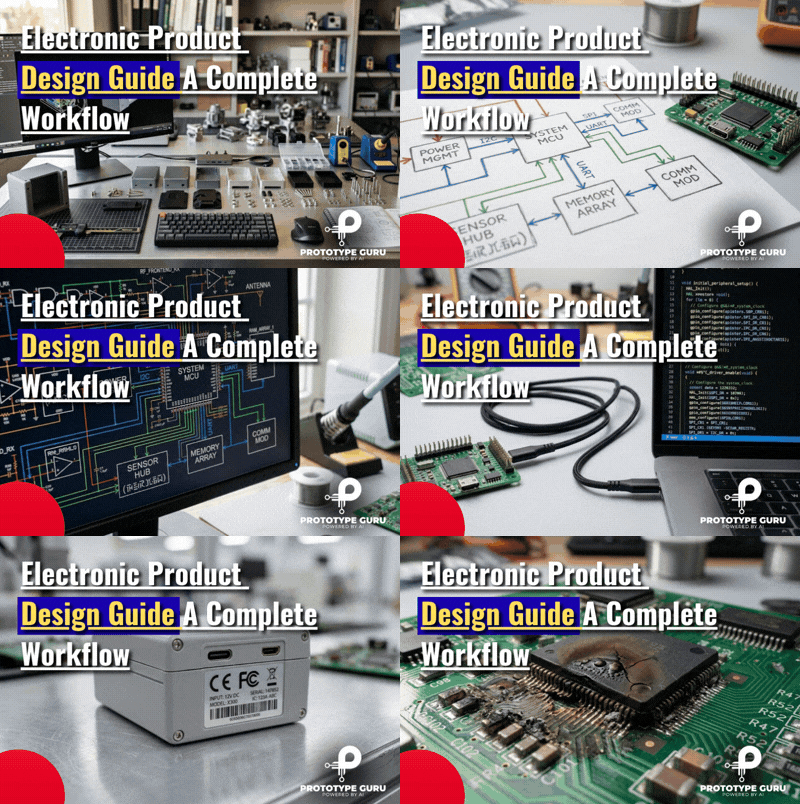
If you want a full walkthrough of how these decisions connect from concept to finished product, our guide on the complete electronic product design workflow covers the entire journey, and our breakdown of common PCB design mistakes is a useful gut check before you send a board to fabrication.
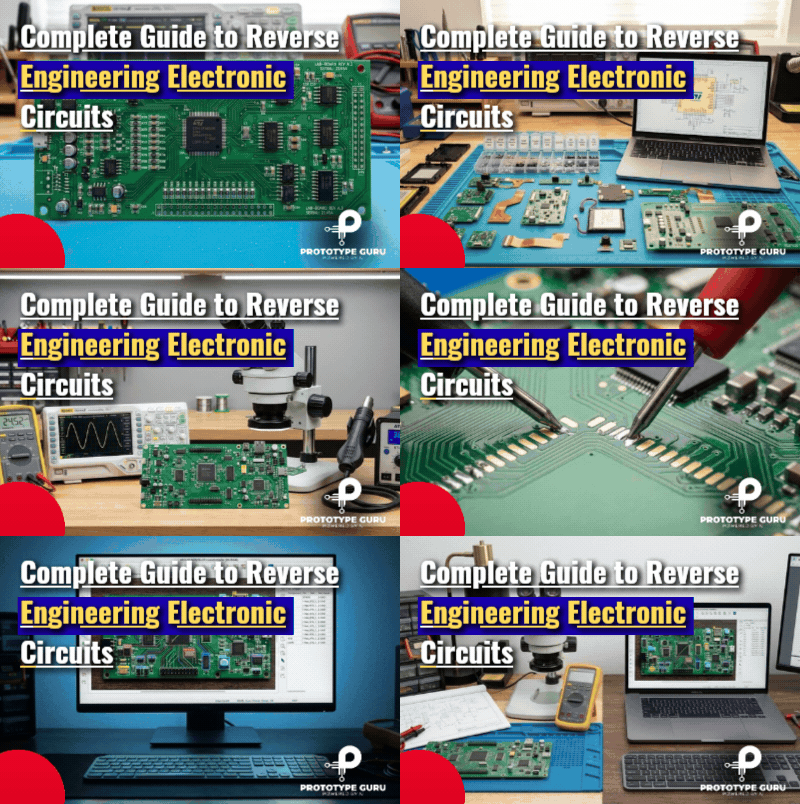
Reverse engineering an existing certified product can also shortcut your learning curve. If you are trying to understand why a competitor’s board passed certification cleanly, our guide to reverse engineering electronic circuits explains how to study an existing design responsibly.
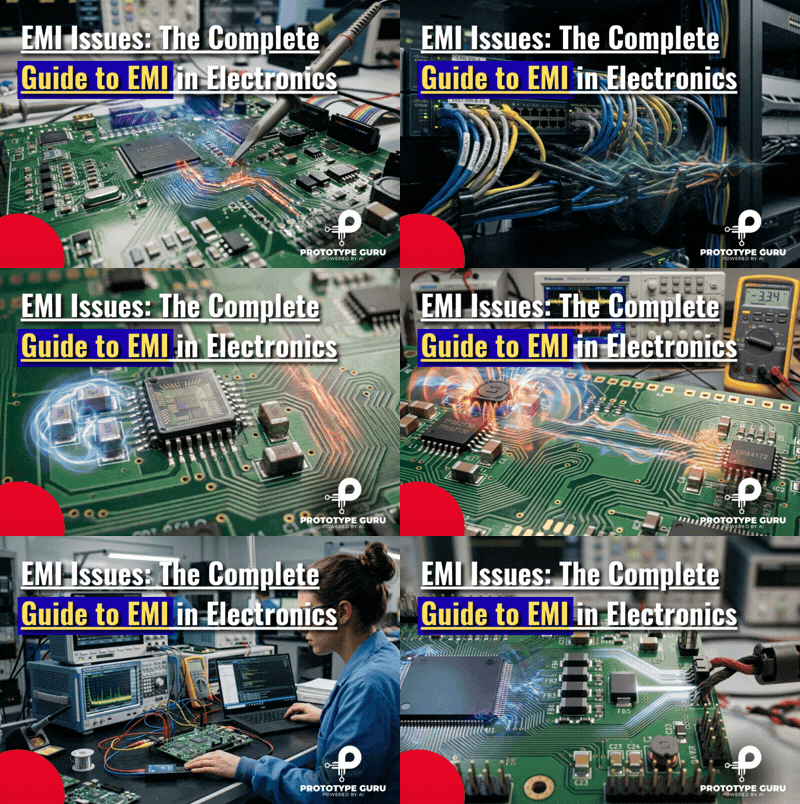
7. EMI and EMC: The Certification Killer Nobody Talks About
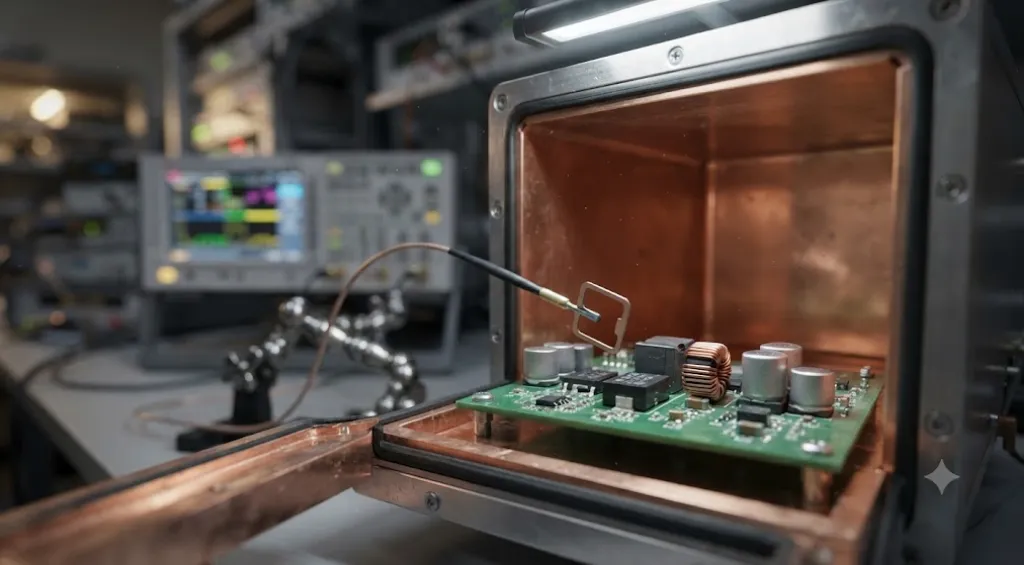
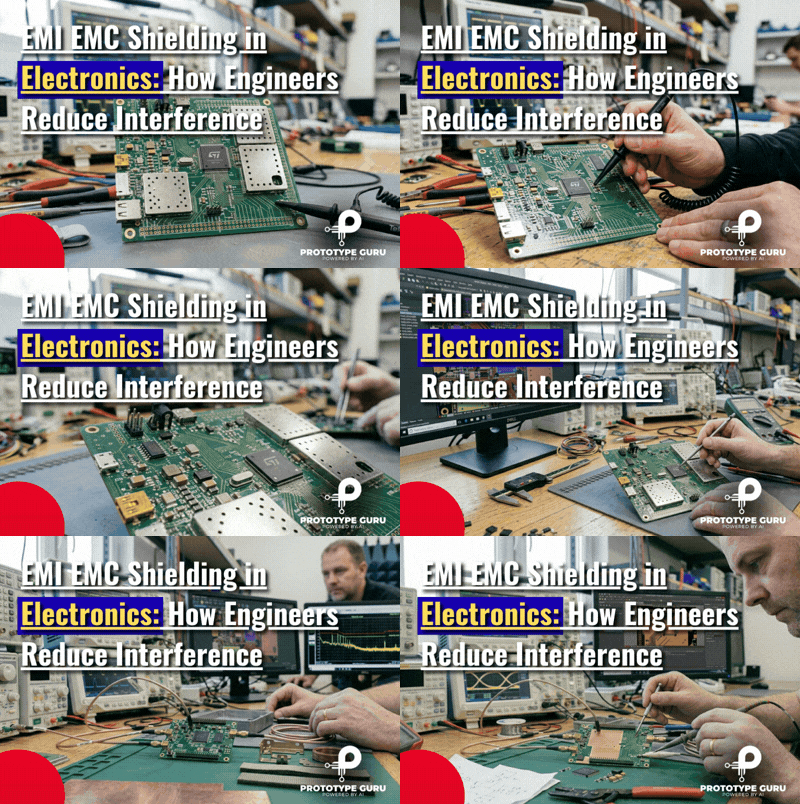
If there is one single reason electronic products fail their first certification testing for electronic devices attempt, it is EMI. Electromagnetic interference and its regulatory counterpart, EMC (electromagnetic compatibility), are responsible for more failed lab reports than any other category combined.
EMI testing requirements exist to confirm two things: that your product does not emit excessive electromagnetic noise, and that it can tolerate reasonable outside interference without malfunctioning. Both CE and FCC testing include dedicated EMC testing for electronics as part of the core evaluation.
Common causes of EMI failure include poor grounding, unshielded high frequency switching regulators, and inadequate filtering on power lines. If your product includes a switching power supply, our guide on high frequency switching noise issues walks through exactly how these problems appear on a spectrum analyzer and how to fix them before you get to the lab.
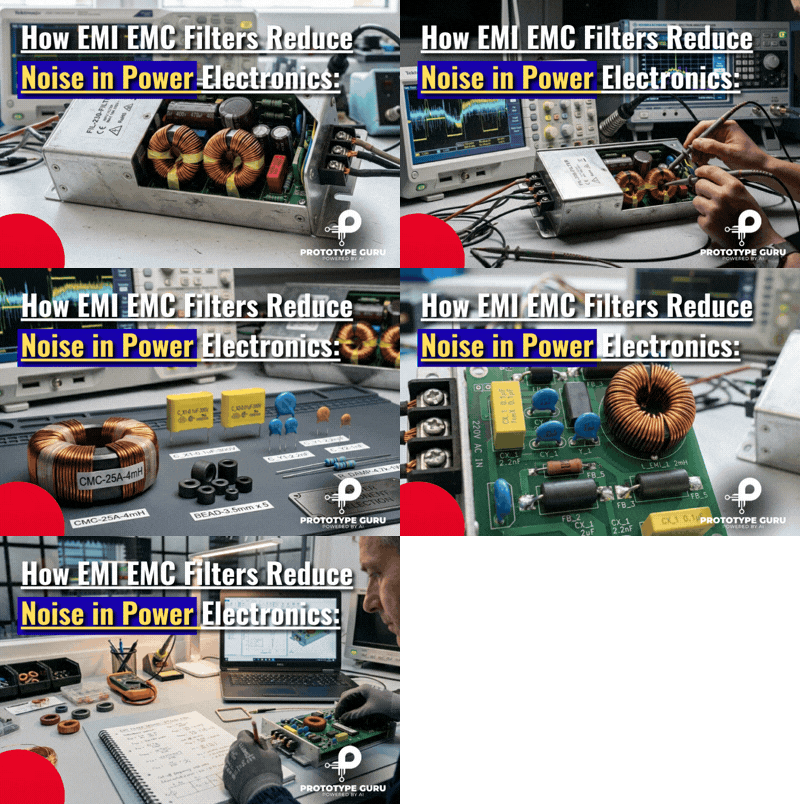
For a deeper technical breakdown of EMI root causes and fixes, see our full article on EMI issues, causes, examples, and fixes. If your board is a compact four layer design, our guide on how to minimize EMI in a 4-layer PCB layout is one of the most practical resources we publish. And when filtering is the fix, our handbook on EMI/EMC filters for power electronics explains component selection in plain language.
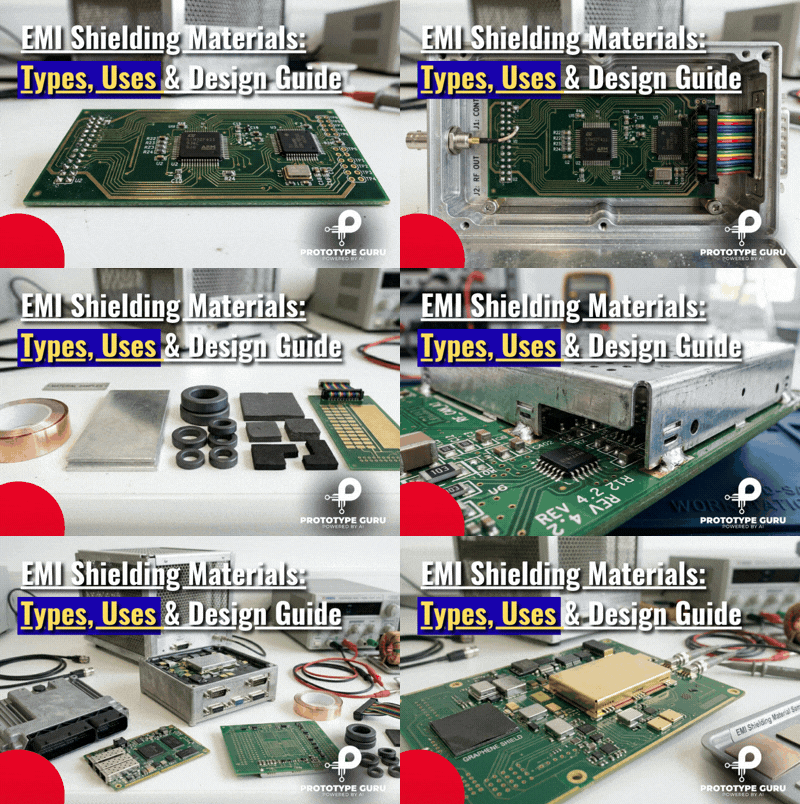
Sometimes design changes alone are not enough, and physical shielding becomes necessary. Our guide to EMI shielding materials and types explains when a shield can, RF gasket, or conductive coating is the right call.
Before you ever book a formal test slot, run your own pre-compliance scan. It is far cheaper to catch a 20 dB overshoot in your own lab than in a rented chamber at 400 dollars an hour. Our dedicated guide to electromagnetic compatibility testing explains exactly how to set up a meaningful pre-compliance test.
8. Certifying Wireless and IoT Devices
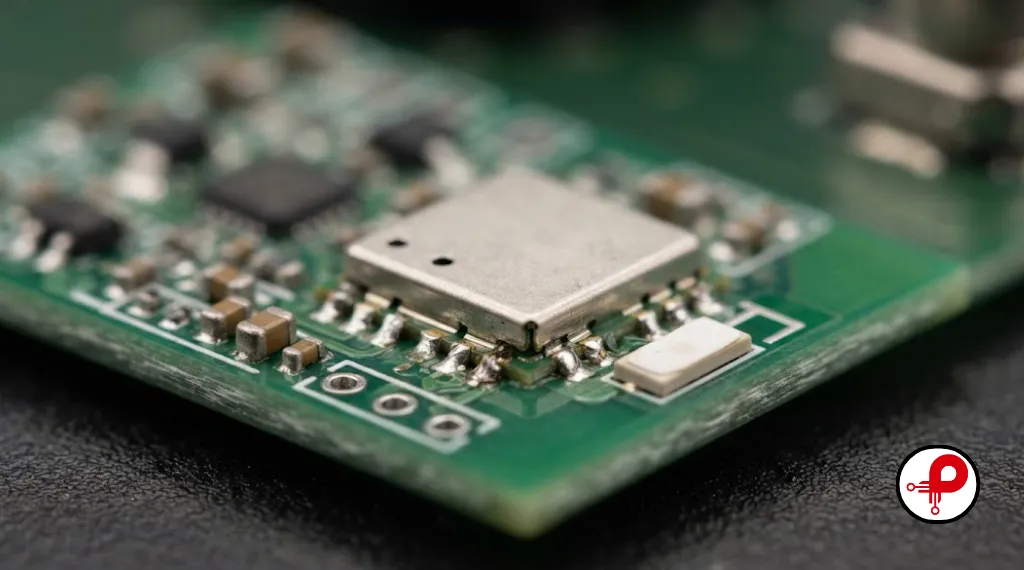
Wireless products add an extra layer of complexity to any electronic device certification effort, because they combine standard EMC testing with radio spectrum testing, and in some cases SAR (Specific Absorption Rate) testing for handheld or body worn devices.
If your product uses Bluetooth, our guide on how to make a Bluetooth device and our explainer on how Bluetooth works in embedded systems and IoT are good starting points before you commit to a radio architecture.
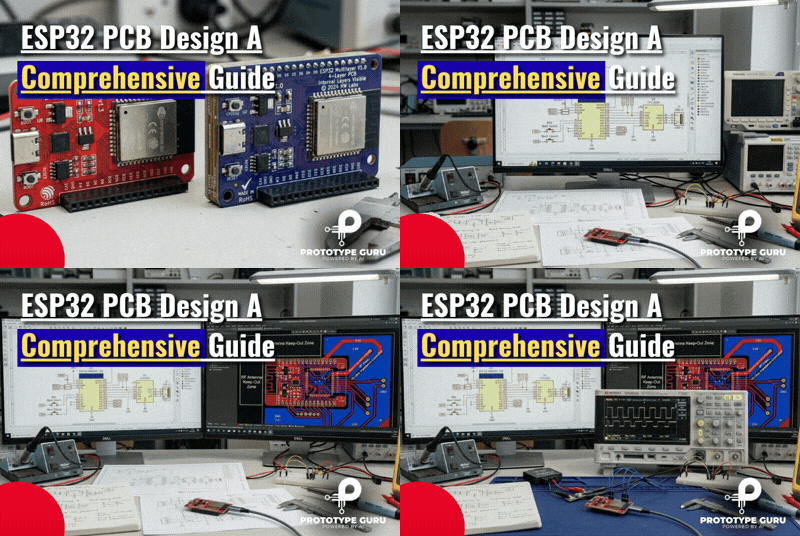
One of the fastest ways to reduce both cost and certification time is to use a pre-certified radio module instead of a custom chip down design. A pre-certified Wi-Fi or Bluetooth module shifts unintentional radiator testing from the full FCC Certification path, which can take six to sixteen weeks, down to the much faster SDoC path. If you are building on a popular platform, our ESP32 PCB design guide and our Arduino Uno Q guide both cover module level design choices that keep certification simple. If your product also plays audio, our guide to building an ESP32 audio player using the YX5300 MP3 module shows how added peripherals affect your EMC profile.
Battery powered wireless products bring an additional compliance angle. If your device is lithium powered, our guide to lithium ion battery protection circuits covers the safety circuitry that most electrical safety standards will specifically ask about during review.
9. Common Reasons Products Fail Certification
After years of watching products go through labs, the same handful of mistakes show up again and again:
Teams that go straight to the accredited lab without any informal scanning are the most likely to fail on the first attempt.
This single layout issue accounts for a disproportionate share of EMC failures and is often difficult to debug late in the cycle.
Swapping a connector or power supply after your BOM is locked can silently break RoHS compliance, requiring expensive re-sourcing.
Missing block diagrams, unclear operational descriptions, or inconsistent labeling artwork are the leading causes of review delays.
For wireless devices worn close to the body, SAR testing is often the most expensive line item that teams frequently forget to budget for.
CE does not cover the US, and FCC does not cover the EU. Treat each region as a fully separate product compliance project.
10. How Much Does It Cost to Certify an Electronic Product
Certification cost varies enormously based on device complexity, so treat these as realistic 2026 planning ranges rather than fixed quotes.
| Certification | Simple Wired Device | Bluetooth Device | Wi-Fi / Multi-Radio |
|---|---|---|---|
| FCC | 600 to 5,000 USD | 1,000 to 4,000 USD | 6,500 to 20,000+ USD |
| CE | 1,500 to 4,000 USD | 3,000 to 8,000 USD | 5,000 to 15,000 USD |
| RoHS | 300 to 800 USD | 500 to 1,200 USD | 800 to 1,500 USD |
| UL (Optional) | 3,000 to 10,000 USD | 5,000 to 12,000 USD | 8,000 to 20,000 USD |
Using a pre-certified radio module rather than a custom RF design typically cuts wireless certification costs by 60 to 80 percent, since the module vendor has already absorbed the hardest and most expensive part of the testing.
11. How Long Does the Certification Process Take
Timeline is just as important as budget when you are planning a launch date.
- RoHS documentation: 1 to 3 weeks
- CE marking, simple electronics: 2 to 4 weeks
- CE marking, radio equipment (RED): 4 to 8 weeks
- FCC SDoC path: 2 to 6 weeks
- FCC Certification path (custom RF): 6 to 16 weeks
- UL safety certification: 4 to 10 weeks
Running FCC and CE testing in parallel, rather than sequentially, is one of the easiest ways to compress your overall electronic product certification timeline without cutting any corners.
12. Certification Documentation Checklist
Before you contact a lab, have these ready. Incomplete files are the single biggest source of delay.
- Full schematic and bill of materials
- Internal and external product photos, annotated
- Block diagram and operational description
- User manual including required compliance statements
- Draft label artwork showing mark placement and size
- RoHS material declarations from every component supplier
- Draft Declaration of Conformity
- Test sample units, fully representative of production hardware
13. Working With a PCB Design and Prototyping Partner
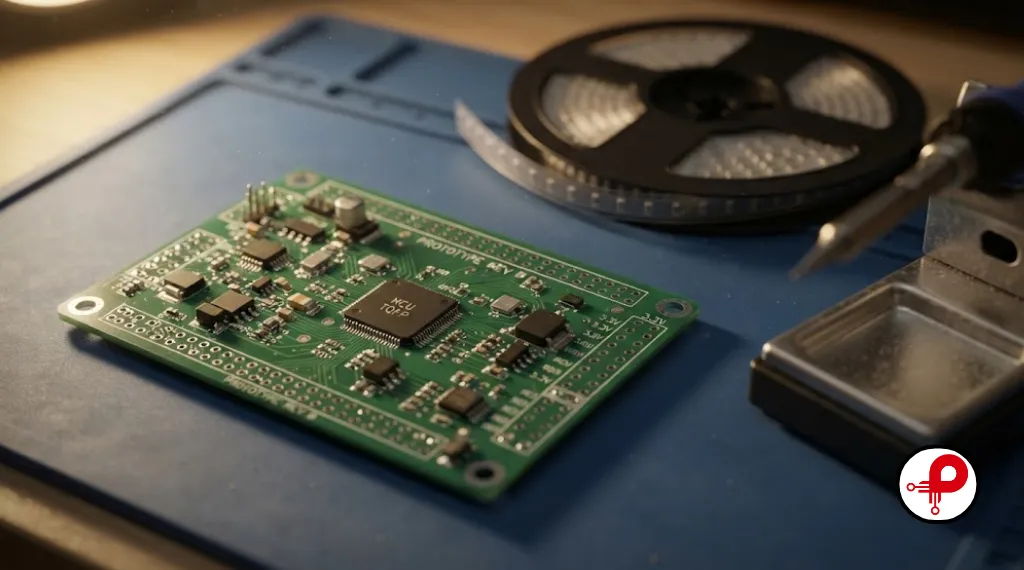
Very few startups have the in-house expertise to navigate PCB manufacturing, EMC pre-compliance, and international certification requirements all at once. This is where partnering with an experienced design and prototyping team pays for itself many times over.
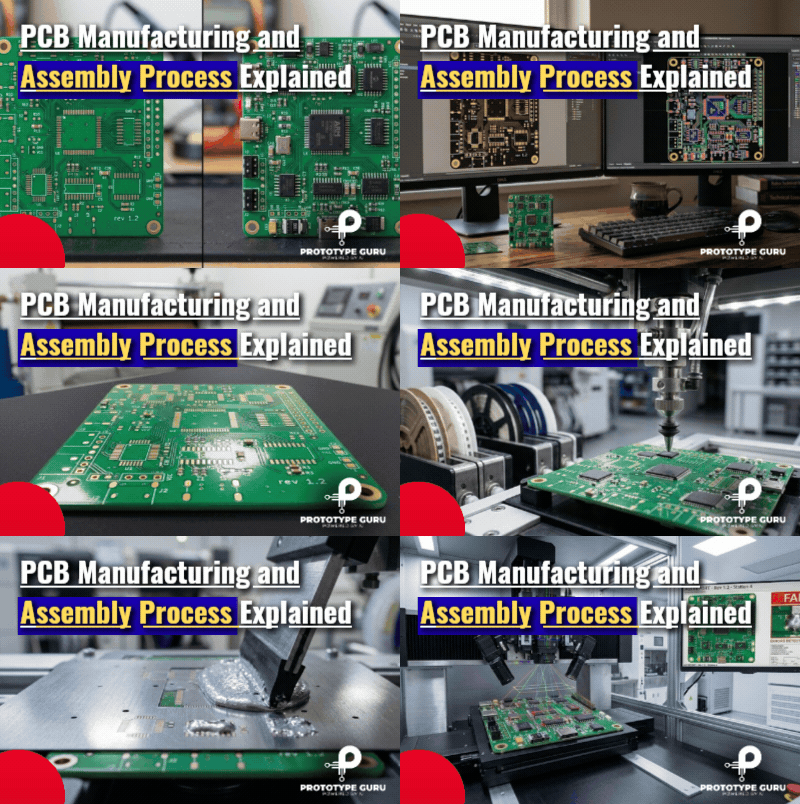
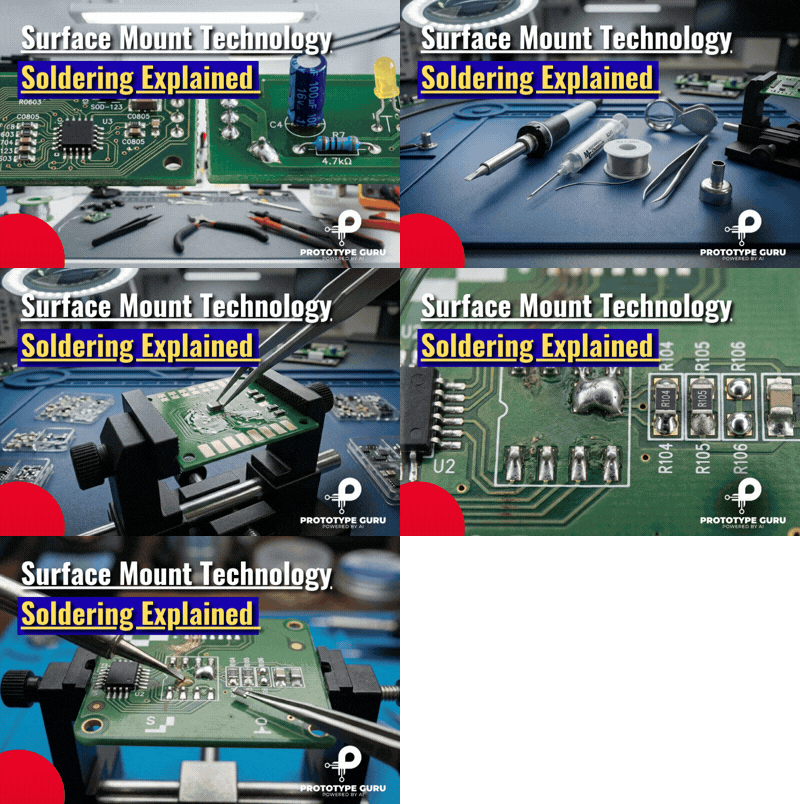
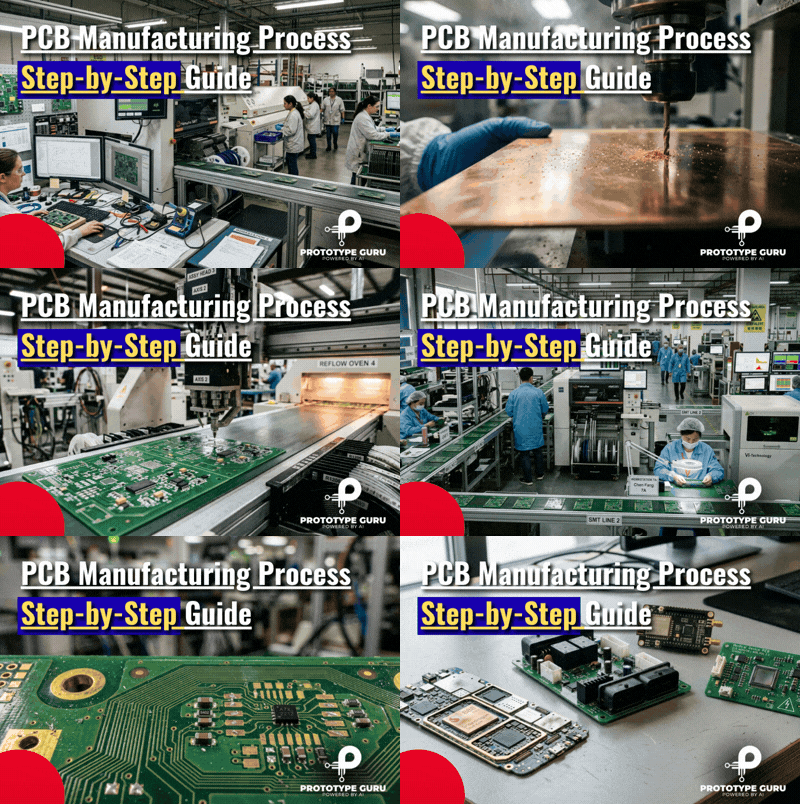
A partner who understands the full PCB manufacturing and assembly process and the finer points of the PCB manufacturing process itself will catch layout issues that would otherwise only surface at the test lab. Automated inspection is part of that quality chain too. Our explainer on automated optical inspection and how it works shows how manufacturing defects are caught before assembly, long before they ever become a compliance problem. On the assembly side, our surface mount technology soldering guide explains how solder joint quality ties directly into long term product reliability and safety testing outcomes.
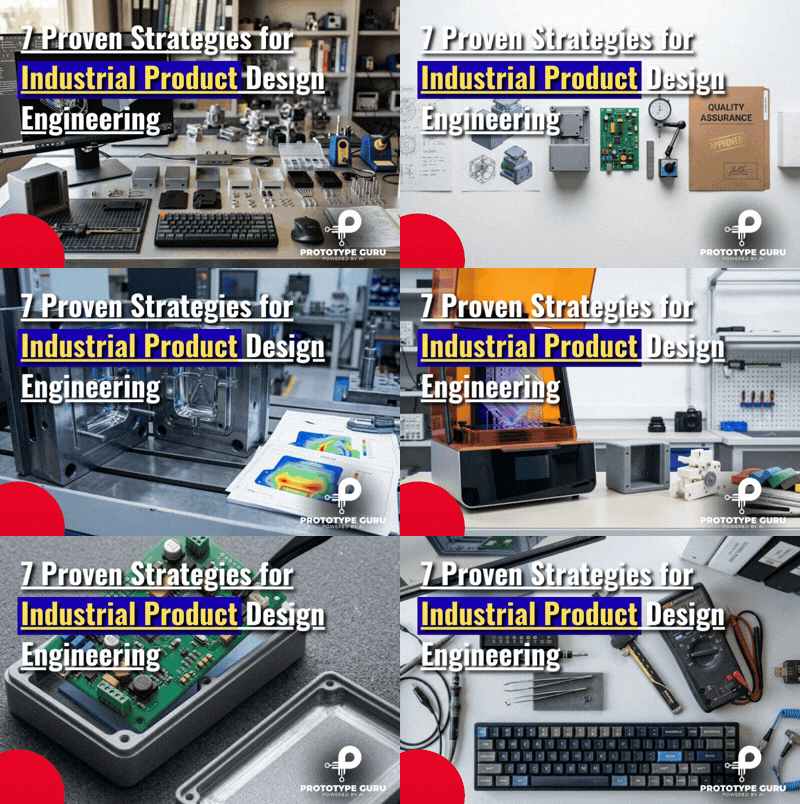
If you are deciding between an off the shelf reference design and a fully custom board, our comparison of custom PCB design versus off the shelf solutions is worth reading before you commit, since the choice directly affects your certification scope. For teams building their first hardware product, our guide to hardware development for startups and our overview of industrial product design engineering both cover how to sequence design, prototyping, and compliance without wasting a funding round on avoidable rework.
Consumer facing hardware has its own set of expectations too. If you are building a product meant for retail shelves, our consumer electronics product design guide is a strong companion piece to this article, and our overview of current PCB design trends will help you future proof a design that might need re-certification down the line. If you are based in North America and want a local team that understands both design and the domestic testing ecosystem, our page on electronics prototyping and product design in the USA outlines how that process typically works. For quick reference during layout, our pi attenuator calculator is a handy tool when you are tuning RF signal paths ahead of certification testing.
13.5 A Real World Example: How a Simple Layout Fix Saved One Product’s Launch
A few years back, a startup came to us with a compact Bluetooth sensor that had just failed its first FCC pre-scan. The radiated emissions were spiking well above the Part 15 limit at the second harmonic of the clock frequency. Nothing about the schematic was wrong. The problem was entirely physical: a split ground plane under the crystal oscillator was forcing return currents to loop around the board instead of following a direct path back to the source.
We rerouted the stack-up, tied the ground plane back into a single continuous layer, and added a small ferrite bead on the power rail feeding the radio module. The retest came back clean on the first pass, with margin to spare. Total cost of the fix: a two day layout revision. Total cost avoided: a second full lab booking and a two week schedule slip right before their crowdfunding launch.
This is the pattern that shows up again and again in electronic product certification. The lab does not create the problem, it only reveals what was already sitting in the layout. Products designed with EMI awareness from the first schematic pass almost always sail through testing on the first attempt, while products treated as “certify later” projects tend to bounce back and forth between the lab and the layout software two or three times before they pass.
14. Frequently Asked Questions
1. How do I certify an electronic device for both the US and EU markets?
↑2. What certifications does an electronic product need before I can sell it online?
↓3. How much does electronic product certification cost for a small startup?
↓4. Can I sell my product before certification is complete?
↓5. Do I need certification for a single prototype or lab research unit?
↓6. What is the difference between CE and FCC certification?
↓7. Is RoHS compliance mandatory for all electronic products?
↓8. What happens if my product fails certification testing?
↓Certification does not have to feel like a black box. Once you understand how to certify an electronic product step by step, from choosing your markets to designing a clean, low EMI board from the very first schematic, the process becomes predictable, budgetable, and honestly, not that different from any other engineering milestone. Plan early, design for compliance instead of testing for it after the fact, and treat your certification partner the same way you treat your PCB fabrication partner: as a core part of your product team, not a last minute vendor.