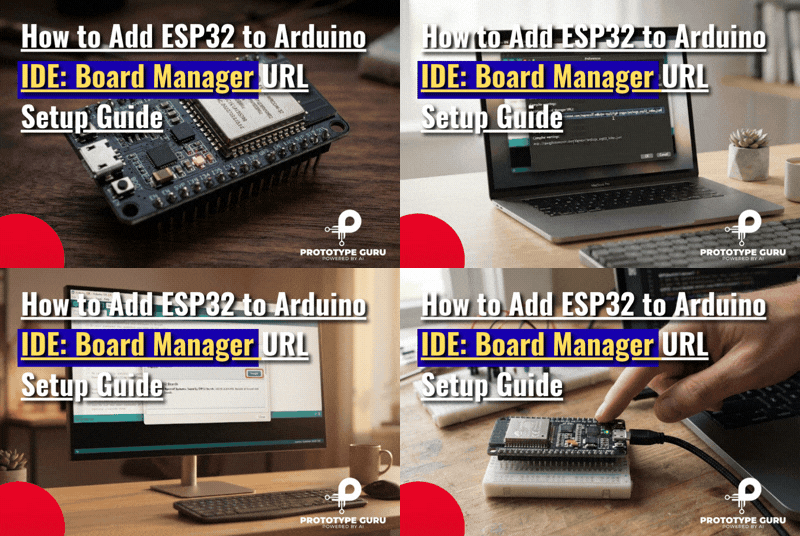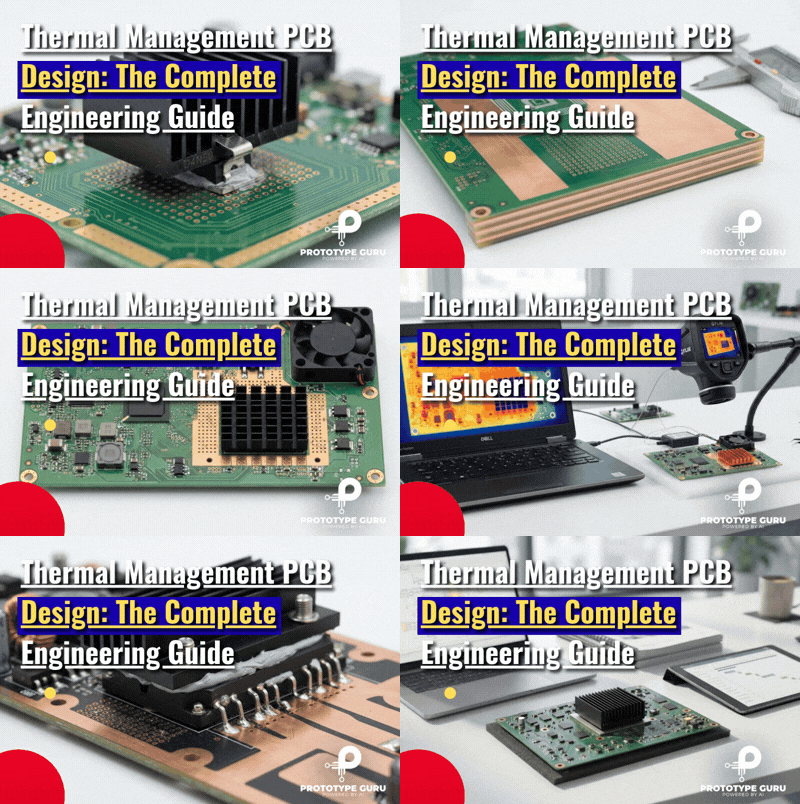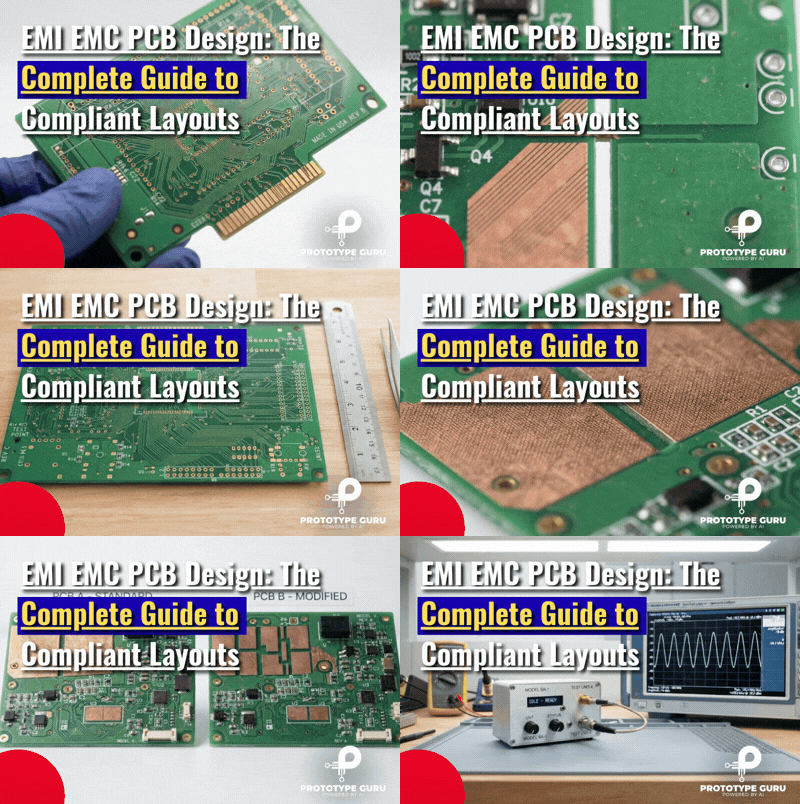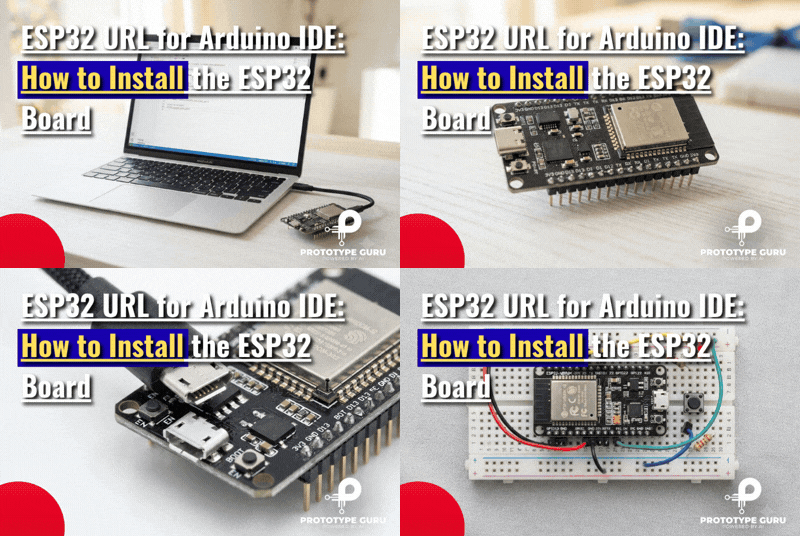




Introduction: Why PCB Design Trends Matter More Than Ever
The world of printed circuit board design is moving faster than at any point in history. Whether you are a startup building your first IoT product, an engineer designing AI hardware, or a manufacturer trying to stay ahead of the curve, understanding current PCB design trends in 2026 is no longer a luxury. It is a survival skill.
The numbers speak for themselves. According to market data, global PCB output was estimated at approximately $92.36 billion in 2025, growing at over 15% annually. The forces driving this growth include AI server hardware, 5G infrastructure, electric vehicles, wearable medical devices, and smart consumer electronics. Each of these applications demands something different from a printed circuit board: smaller form factors, higher layer counts, better thermal management, and faster data transfer speeds.
If you are designing PCBs today the same way you did five years ago, you are already behind. This guide breaks down the 7 most important PCB design trends shaping the industry right now, explains what they mean in practical terms, and shows you how to apply them to your own projects.
Trend 1: AI Is Transforming How Engineers Design PCBs
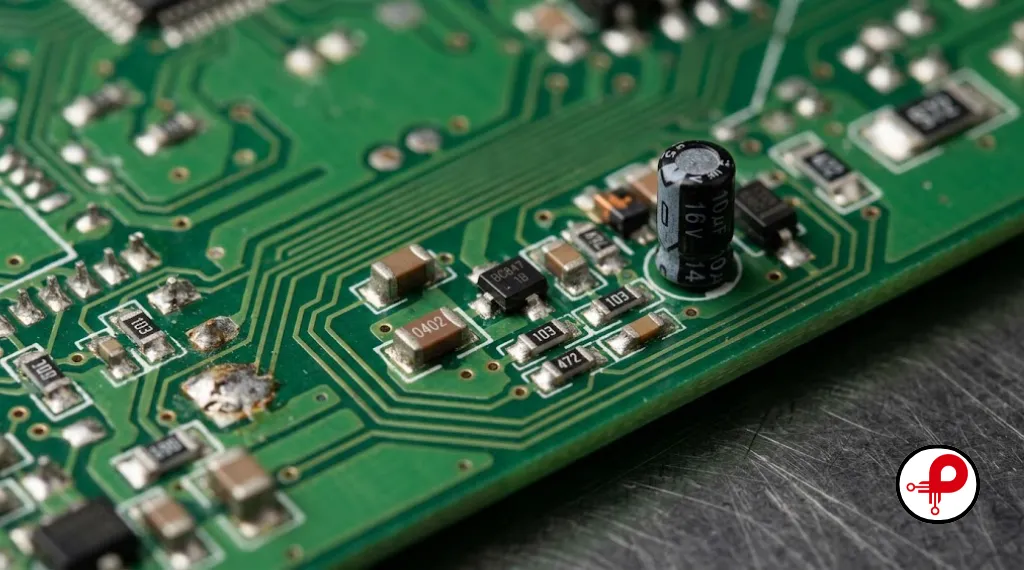
Of all the modern PCB design trends shaping 2026, artificial intelligence is the most disruptive. AI in PCB design is no longer a distant concept from a research paper. It is inside the tools that engineers use every day, and it is changing the speed and accuracy of every stage of the design process.
How AI Powers Smarter Layout and Routing
AI tools now suggest optimal placement strategies by simultaneously analyzing thermal constraints, signal integrity requirements, and real time supply chain availability, significantly reducing the need for iterative manual adjustments.
Modern routing algorithms can anticipate congestion issues before they arise, enabling the automatic, impedance aware routing of high speed differential pairs and complex layer transitions.
By leveraging models trained on thousands of simulations, AI can instantly forecast crosstalk, reflections, and eye diagram performance, replacing hours of traditional manual simulation labor.
Engineers utilizing AI assisted workflows for complex boards such as 10 layer edge AI modules have reported up to a 50 percent decrease in total design cycle time compared to traditional manual methods.
AI in Automated Optical Inspection
AI is not just helping during the design phase. It is also revolutionizing quality control on the manufacturing floor. Automated Optical Inspection (AOI) systems powered by machine learning can detect microscopic defects with a level of consistency that human inspectors simply cannot match. Learn more about how automated optical inspection systems work and why they matter for modern PCB quality assurance.
The Practical Takeaway
If you are not experimenting with AI-assisted PCB layout tools in 2026, you are leaving efficiency gains on the table. Tools from companies like Cadence, Zuken, and Ansys now incorporate reinforcement learning and neural routing. For startups, even mid-tier EDA platforms are beginning to include AI-assisted placement features. The learning curve is real, but the payoff in shorter design cycles and fewer board spins is undeniable.
Trend 2: HDI PCB Design Is No Longer Optional
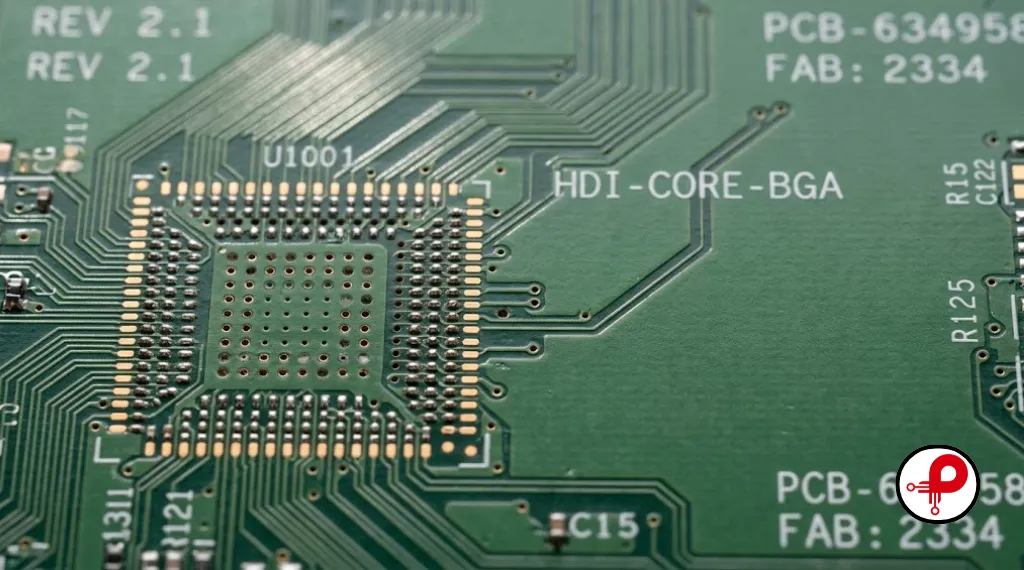
High-Density Interconnect (HDI) PCB design has moved from a specialist capability to a baseline requirement across dozens of industries. Understanding HDI PCB design trends is critical for anyone working in consumer electronics, medical devices, 5G hardware, or automotive electronics.
What Makes HDI Different From a Standard PCB
A conventional PCB uses through-hole vias that pass from top to bottom of the board. These vias consume significant board real estate. HDI designs replace many of these with microvias, which are tiny laser-drilled holes that connect only the layers they need to. This allows engineers to pack far more connections into a much smaller area.
By 2026, advanced HDI stackups are using three or more HDI layers on each side of a core laminate. Layer counts in AI server boards have jumped from 16 to 20 layers just a few years ago up to 28 to 36 layers today. This places extreme demands on fabrication, but it also unlocks capabilities that standard multilayer PCB design simply cannot achieve.
Where HDI Is Being Applied Right Now
5G Infrastructure
HDI is essential for 5G base stations and small cells to manage massive antenna arrays and RF front ends, enabling the tighter component integration and thermal management required for millimeter-wave frequencies.
Flagship Mobile Devices
Smartphones consistently push HDI limits to fit advanced sensors, high-speed processors, and larger battery capacities into increasingly thin and compact physical form factors, requiring precise layer stacking.
Advanced Medical Wearables
Devices like glucose monitors, neurostimulators, and cardiac sensors rely on HDI to achieve the ultra-compact, reliable, and biocompatible circuit designs necessary for continuous health monitoring in sensitive environments.
Advanced PCB Fabrication
These applications are supported by rigorous manufacturing methods. To gain a deeper understanding of how these boards are brought to life, you can refer to this PCB manufacturing process guide, which details key steps from substrate selection to final inspection to ensure the structural integrity of high-density designs.
Common Mistakes in HDI Design
Pushing via density beyond what your fabrication partner can reliably produce is one of the fastest ways to inflate costs and extend lead times. Engineers should always confirm manufacturer capabilities before finalizing a stackup. Overusing stacked microvias, skipping Design for Manufacturability (DFM) checks early in the process, and selecting the wrong dielectric materials all contribute to first-spin failures that could have been avoided.
Trend 3: High-Speed PCB Design and Signal Integrity Challenges
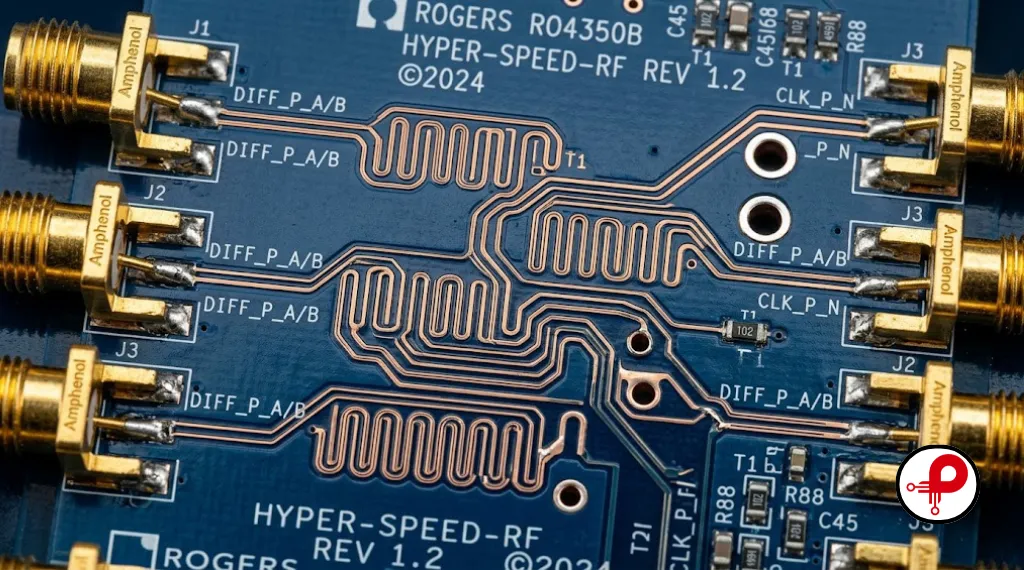
As data rates climb, high-speed PCB design has become one of the most technically demanding disciplines in electronics engineering. The challenge is not just routing traces. It is making sure signals arrive at their destination clean, fast, and undistorted.
Why Signal Integrity Is the Core Challenge
Signal integrity refers to the quality of an electrical signal as it travels along a trace or transmission line. At low frequencies, this is rarely a concern. But once you are designing for DDR5 memory, PCIe Gen 5 or Gen 6 interfaces, USB4, or high-speed serial links for AI hardware, even a poorly placed via or a slight impedance mismatch can degrade performance severely.
The most common signal integrity problems engineers encounter include reflections caused by impedance mismatches, crosstalk between adjacent traces carrying different signals, ground bounce in high-frequency switching circuits, and electromagnetic interference that radiates from traces acting as unintended antennas.
For those working on boards with switching noise issues, this guide to high-frequency switching noise explains the root causes and practical fixes in detail.
Controlled Impedance: The Foundation of High-Speed Design
Controlled impedance is the practice of designing traces so that their characteristic impedance matches the source and load impedance throughout a signal path. For single-ended traces, the target is typically 50 ohms. For differential pairs, it is usually 100 ohms.
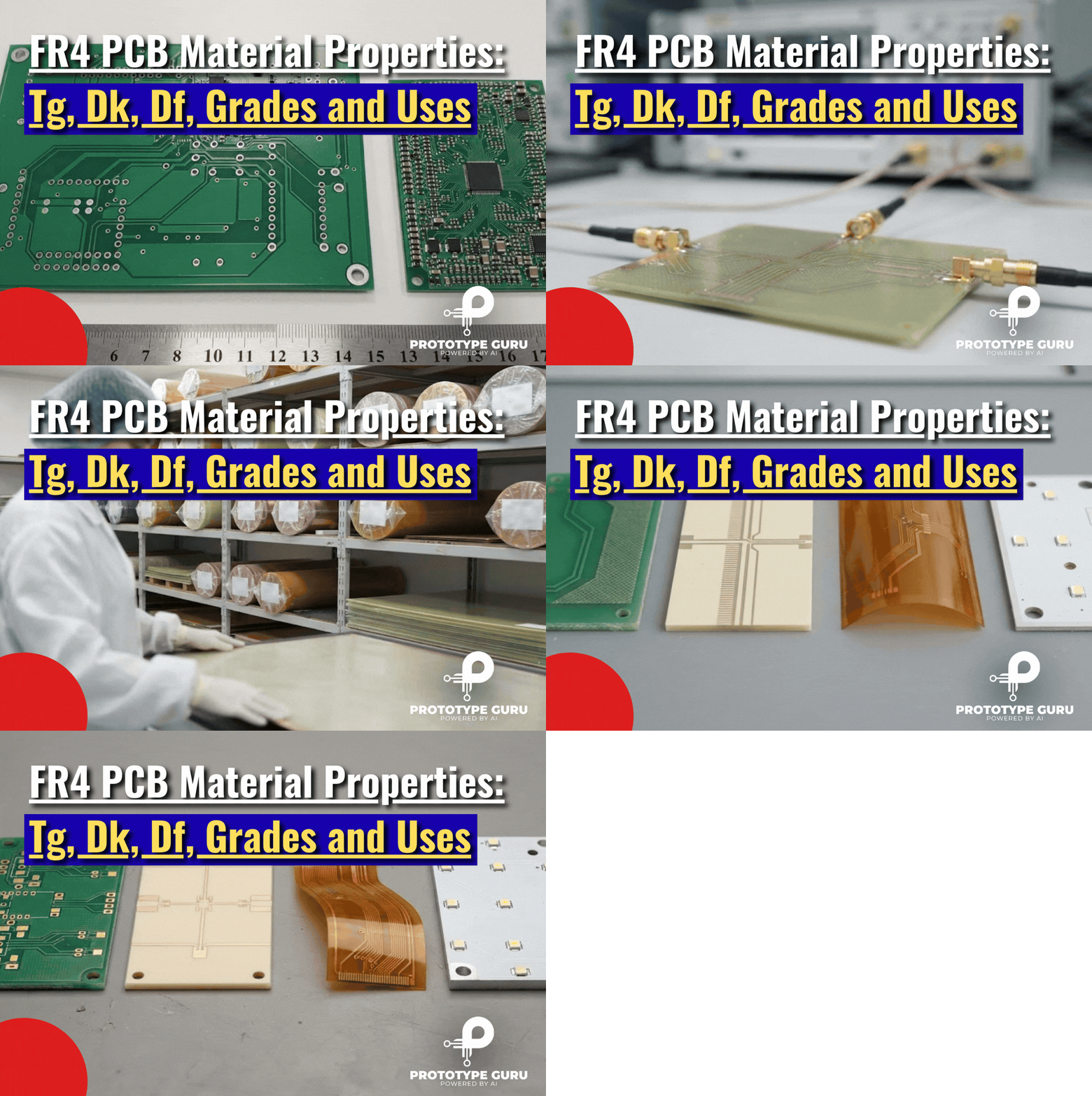
Achieving controlled impedance depends on multiple factors: trace width, trace thickness, the dielectric constant of the substrate material, and the distance between the trace and its reference plane. FR-4 material works well at moderate frequencies, but high-frequency PCB designs operating above several gigahertz often require specialized low-loss laminates with tighter dielectric tolerances.
Maintaining controlled impedance prevents reflections on electrically long lines and ensures that the signal propagates with minimal distortion. Without it, eye diagrams close up, bit error rates climb, and system reliability suffers.
EMI Reduction Techniques in High-Speed Layouts
EMI is one of the most persistent challenges in high-speed PCB design trends. Transmission line effects, high-di/dt currents, and poor ground plane continuity all contribute to radiated and conducted emissions. Understanding EMI issues, causes, and fixes is essential knowledge for any serious PCB engineer.
Practical EMI reduction techniques include keeping high-speed traces short, using solid reference planes directly adjacent to signal layers, avoiding routing high-speed signals across plane splits, and implementing proper via stitching to maintain return path continuity. For boards with four or more layers, a dedicated resource on minimizing EMI in 4-layer PCB layouts provides actionable layout strategies.
When compliance testing becomes a concern, understanding electromagnetic compatibility testing will help teams design boards that pass regulatory requirements on the first attempt rather than requiring costly redesigns.
Trend 4: Smarter PCB Stackup Design for Multilayer Boards
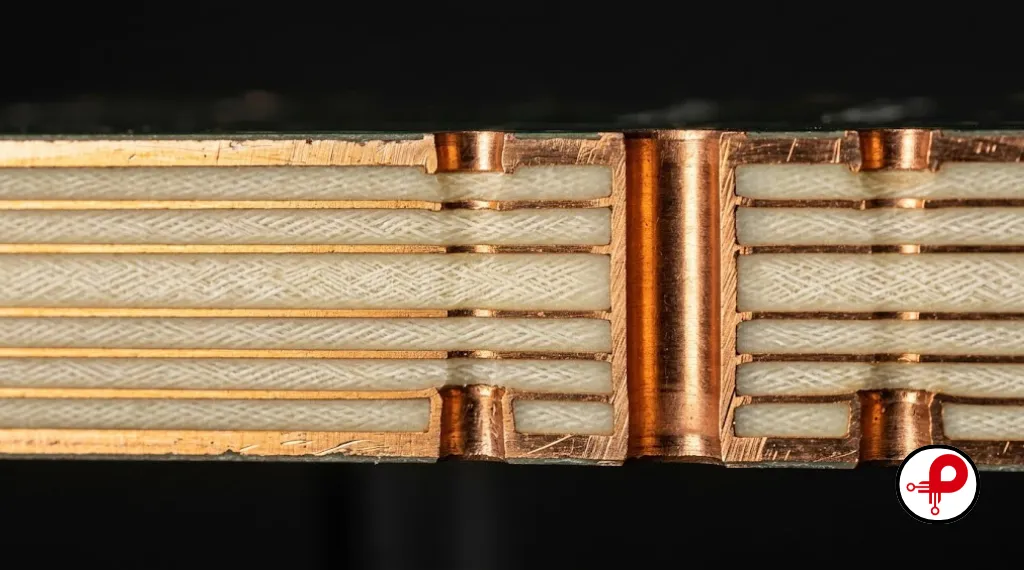
PCB stackup design has always been important, but in 2026 it is one of the clearest differentiators between boards that perform and boards that fail. A well-designed stackup controls impedance, manages power integrity, shields sensitive signals, and provides efficient thermal paths, all before a single trace is routed.
The Basics of a Good Stackup
Internal power and ground planes provide a low-impedance return path for high-speed signals while acting as physical shields that effectively reduce radiated electromagnetic interference (EMI).
A standard approach places signal layers on the outer surfaces with planes in the middle, minimizing transmission line effects and ensuring high signal integrity for standard applications.
For 6-layer or 8-layer boards, engineers must strategically balance competing requirements—such as signal integrity, power delivery performance, and overall manufacturing costs—to determine the optimal stackup.
While FR-4 suffices for lower frequencies, gigahertz-range designs demand materials with lower dielectric constants and tighter tolerances to maintain predictable impedance and signal propagation.
Power Integrity and Its Relationship to Stackup
Power integrity refers to the quality of the power delivery network (PDN) on a PCB. A poor PDN causes voltage droops, ground bounce, and switching noise that couples into sensitive analog or digital circuitry. A properly designed stackup places power and ground planes adjacent to each other, maximizing the distributed capacitance between them and reducing PDN impedance across a wide frequency range.
For projects using microcontrollers or wireless modules like the ESP32, stackup choices directly impact the RF performance of the design. The ESP32 PCB design guide covers both stackup considerations and antenna placement strategies for this popular platform.
Trend 5: Thermal Management in PCB Is Getting Serious
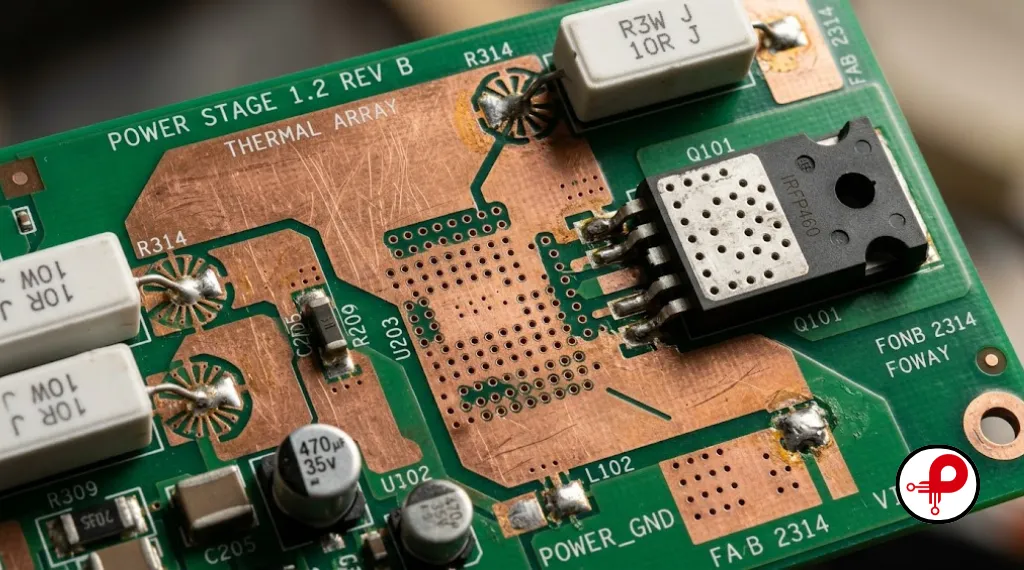
Thermal management in PCB design has become one of the most discussed topics in the industry, and for good reason. As component power densities increase and form factors shrink, heat dissipation has become a limiting factor in many designs.
Why Heat Is Now a First-Class Design Concern
Thermal Management in Modern PCB Design
Thermal management has evolved into a primary design constraint. As component power densities rise and enclosures become more compact, engineers must treat heat dissipation as a critical performance metric to prevent component degradation or system failure.
The Critical Role of PCB Materials and Layout
The board itself acts as a primary heat sink. By utilizing heavy copper pours and optimized thermal via arrays, heat is conducted away from sensitive components. Furthermore, integrating advanced materials like ceramic-based dielectrics (e.g., $Al_2O_3$) significantly improves conductivity compared to traditional substrates.
Proactive Heat Mitigation and Simulation
The most effective strategy to ensure reliability is integrating thermal simulation into the design workflow. Modeling heat flow early in the stackup phase allows engineers to identify and rectify hotspots, avoiding the high costs of post-fabrication redesigns. For those working with high-density energy sources, the lithium-ion battery protection circuit guide is an essential resource for ensuring thermal stability in power systems.
Why Heat Is a First-Class Design Concern
Component Lifespan and Degradation
Constant exposure to high operating temperatures triggers thermal throttling, which slows performance and causes premature material fatigue, significantly reducing the functional lifespan of sensitive semiconductor components and integrated circuits.
System Reliability and Safety
Effective heat extraction is critical for power-dense hardware like AI processors and RF amplifiers, preventing localized thermal runaway that could lead to catastrophic hardware failure or permanent damage.
Physical Design Constraints
Because heat dissipation efficiency limits the power density allowed in a given volume, thermal management dictates the minimum physical form factor and enclosure design of the final electronic product.
Operational Stability
Maintaining an optimal thermal profile ensures that devices perform within their specified parameters, preventing erratic behavior or synchronization errors that typically arise when components overheat during high-load operations.
Trend 6: Sustainable and Eco-Friendly PCB Manufacturing Trends
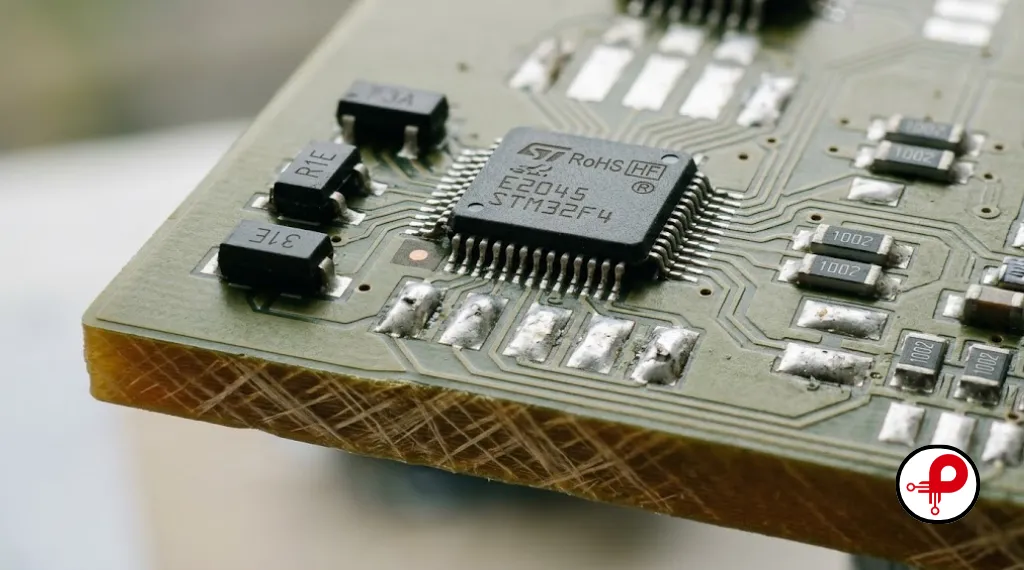
Sustainability has moved from a marketing talking point to a genuine engineering and business requirement. PCB manufacturing trends in 2026 reflect growing regulatory pressure, customer expectations, and long-term supply chain thinking.
Halogen-Free Materials and Eco-Friendly Laminates
Traditional PCB laminates historically used brominated flame retardants that raise environmental and health concerns. The industry has been shifting toward halogen-free alternatives that meet the same fire safety standards while reducing environmental impact during manufacturing and disposal.
Alongside halogen-free laminates, biodegradable substrates and recyclable materials are gaining traction. The flexible PCB market alone is projected to grow at around 14% annually as manufacturers find ways to combine sustainability with the miniaturization demands of wearable and portable electronics.
Energy-Efficient Manufacturing Processes
Beyond materials, the manufacturing process itself is being optimized for energy efficiency. Laser direct imaging (LDI), automated optical inspection, and advanced via formation techniques reduce waste and improve yield rates, which means fewer rejected boards and less raw material consumed per functional unit produced.
For electronics companies operating in the United States, understanding the local landscape for sustainable, high-quality prototyping is valuable. The resource on electronics prototyping and product design in the USA covers how domestic manufacturers are adapting to these sustainability requirements.
Trend 7: Design for Manufacturability (DFM) Is the New Competitive Edge
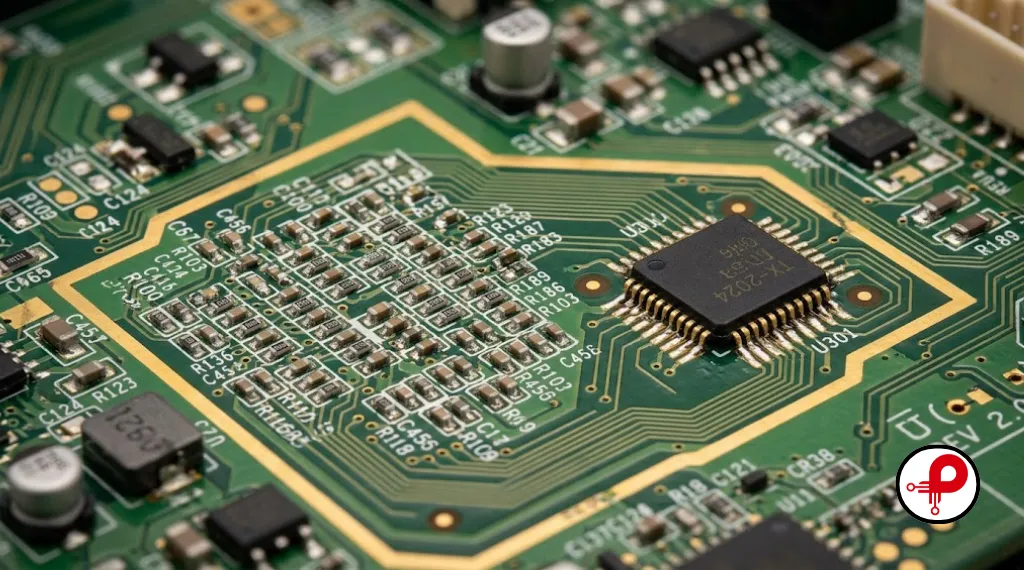
Design for Manufacturability, or DFM, is the practice of designing a PCB with the fabrication and assembly process explicitly in mind. It sounds obvious, but it is consistently one of the most neglected aspects of PCB design, and one of the most expensive to ignore.
What DFM Actually Means in Practice
DFM failures are responsible for a significant portion of first-spin PCB problems. Common DFM violations include trace widths that are too narrow for the manufacturer’s process capabilities, pad sizes that do not accommodate assembly tolerances, via-in-pad designs that are not specified correctly, and inadequate clearances between high-voltage traces.
A PCB that looks correct in EDA software but fails DFM review will cost a team weeks of delay and thousands of dollars in respins. Modern PCB design trends in 2026 emphasize early collaboration between design and manufacturing teams to catch these issues before they become expensive.
Surface Mount Technology and Assembly Considerations
For teams working with surface mount components, soldering quality is directly linked to pad geometry, stencil aperture design, and component placement clearances. The surface mount technology soldering guide provides detailed guidance on pad design, paste volume calculations, and reflow profile optimization for SMT assemblies.
EMI shielding is another area where manufacturing considerations directly affect design choices. Selecting the right shielding materials early in the design process, before the enclosure and PCB have been finalized, prevents costly retrofitting later. The guide to EMI shielding materials and types helps engineers select the appropriate shielding approach for their specific application.
For designs incorporating wireless connectivity, Bluetooth implementation adds its own set of DFM and antenna placement challenges. Understanding how Bluetooth works in embedded systems and IoT devices helps engineers make smarter layout decisions early in the design process.
Real-World Applications Driving These PCB Design Trends
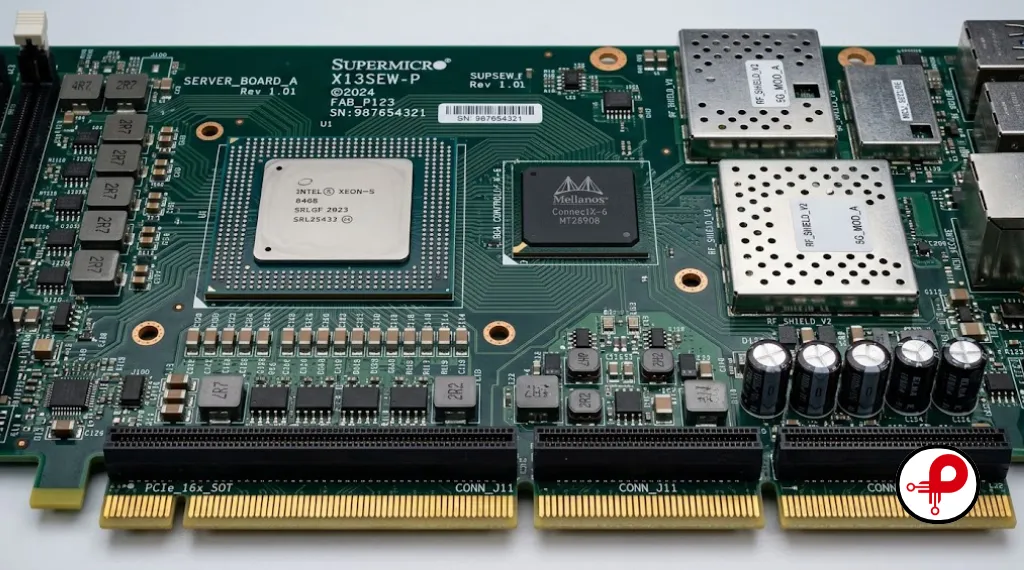
AI server hardware is the primary driver for advanced PCB innovation. Increasing layer counts and complexity require engineers to push boundaries in signal integrity, thermal management, and controlled impedance to meet the massive computational demands of modern data center infrastructure today.
Automotive electronics and IoT devices demand high reliability and extreme miniaturization. Automotive systems must endure harsh environments, while IoT designs focus on RF performance. Both sectors force engineers to master advanced manufacturing, thermal resistance, and power efficiency to ensure product longevity.
HDI technology enables denser circuitry and smaller form factors by using microvias and thinner traces. It is essential for modern AI servers and compact mobile devices needing high-performance processing capabilities.
High-power components generate intense heat that risks system failure. Engineers now utilize specialized heat sinks, thermal vias, and high-conductivity substrate materials to dissipate heat effectively in demanding AI server environments.
As data rates climb, minimizing signal loss and interference is critical. Advanced design techniques, including back-drilling and high-speed materials, ensure clean, reliable data transmission across complex, high-layer-count server motherboards.
Boards for ADAS and EV batteries must withstand extreme vibration, temperature fluctuations, and humidity. These designs prioritize rugged materials and stringent testing protocols to prevent catastrophic failures in critical safety systems.
Effective wireless performance relies on precise antenna placement, ground plane design, and RF trace routing. Proper layout is fundamental for maximizing battery life and signal range in smart home devices.
Managing electromagnetic interference is vital for power conversion. Engineers implement complex filtering circuits and optimized stack-ups to suppress noise, ensuring stable performance for sensitive electronics operating within noisy environments.
Frequently Asked Questions (FAQ)
1. What are the latest PCB design trends in 2026?
↑2. What is HDI in PCB design and why does it matter?
↓3. How is AI used in PCB design today?
↓4. What are the biggest challenges in high-speed PCB design?
↓5. Why is signal integrity so important in modern PCBs?
↓6. What is controlled impedance in PCB design?
↓7. What is the difference between HDI and a normal PCB?
↓8. What is PCB stackup design and why does it matter?
↓Conclusion
The PCB design trends reshaping electronics in 2026 are not incremental updates to old ways of working. They represent a fundamental shift in what engineers need to know, what tools they need to use, and what manufacturing partners they need to collaborate with.
AI is compressing design cycles. HDI is enabling devices that were not physically possible a decade ago. High-speed design demands that every trace, via, and plane be planned with signal integrity in mind from the very first layout decision. Thermal management has become a first-class constraint rather than an afterthought. Sustainability is changing which materials manufacturers will support long term. And DFM discipline separates teams that hit their tape-out deadlines from those that burn months on respins.
Whether you are designing your first prototype or scaling a complex product to mass production, understanding these trends gives you the ability to make smarter decisions at every stage of your project. The resources linked throughout this article are designed to go deeper on each topic, so you can build on this foundation with practical, specific guidance for your own designs.
The electronics industry is moving fast. The teams that understand where PCB design is going will have a clear advantage over those still working with yesterday’s assumptions.
Bonus Section: How Startups Should Approach These PCB Design Trends
If you are running a startup or building your first hardware product, these trends can feel overwhelming. Here is a practical framing that helps.
You do not need to master all of these areas at once. What matters is knowing which ones are relevant to your specific product. A Bluetooth-enabled wearable sensor has very different design priorities than a high-speed AI inference card or an automotive radar module.
Start by identifying the two or three trends that will make or break your product. If you are building a wireless IoT device, signal integrity, EMI management, and compact stackup design matter most. If you are designing a battery-powered medical device, thermal management and DFM compliance are your biggest risks. If you are building something that processes data at multi-gigabit speeds, controlled impedance and high-speed routing disciplines are non-negotiable.
Once you have identified your key constraints, build a team or find partners who have genuine experience in those areas. Asking the right questions early, before a schematic is drawn, saves weeks of iteration and thousands of dollars in prototype respins.
Working with an experienced prototyping partner who understands these electronics PCB design trends shortens your path from concept to production-ready hardware significantly. The ESP32 audio player project guide is a useful example of how a real embedded design integrates wireless, audio, and power management on a compact board, bringing many of these principles together in a tangible project.
For teams new to hardware development, the Arduino Uno quick-start guide also provides a foundational understanding of how microcontroller-based PCBs are organized and how decisions made at the schematic level translate into layout choices.
The future of PCB design industry belongs to teams that stay curious, keep learning, and treat every board spin as a chance to apply the latest techniques more effectively. The trends covered in this article are not temporary buzzwords. They are the building blocks of electronics that will power the next decade of innovation.
External References:
- IPC Standards for PCB Design — Industry standards for PCB fabrication and design
- IPC-2221 Generic Standard on Printed Board Design — Core trace width and impedance design standards
- Grand View Research: Printed Circuit Board Market Report — Global PCB market size and growth data
- Cadence PCB Design Resources — Technical design guides for high-speed and HDI PCBs
- IPC-2141A: Controlled Impedance Circuit Boards — Controlled impedance design and testing guidelines