












Wearable devices have quietly become one of the most demanding categories in electronics engineering. A smartwatch or a smart ring looks simple on a wrist, but underneath the casing sits a tightly packed stack of sensors, a battery that has to survive years of daily charging cycles, wireless radios fighting for space next to noisy switching circuits, and firmware that has to run for days on a coin sized power source. The development of wearable technology is, in short, an exercise in doing more with less: less space, less power, and less room for error.
If you are a startup founder, a hardware engineer, or a product manager trying to understand what it actually takes to build a wearable from a sketch to a shipped product, this guide walks through the entire process. We researched how the market is moving in 2026, looked at what leading wearable brands and engineering teams are publishing about their own workflows, and combined that with practical, real world PCB and product design experience to put together the clearest roadmap we could.
By the end of this article you will understand the full development of wearable technology pipeline: concept validation, PCB and sensor design, firmware and embedded systems, enclosure and materials, software and cloud integration, compliance testing, and manufacturing at scale.
What Is Wearable Technology Development
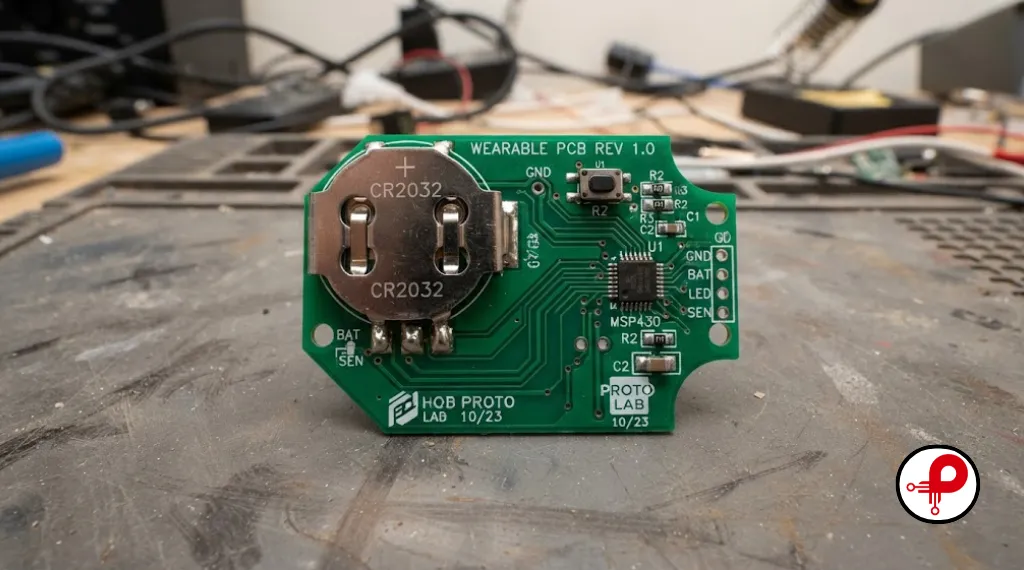
Wearable app development and wearable hardware development are two halves of the same coin. On one side you have the physical product: sensors, a PCB, a battery, a display or LED indicators, and an enclosure that has to survive sweat, drops, and constant motion. On the other side you have the software: firmware running on the device itself, a companion mobile app, and often a cloud backend that stores and analyzes health data.
Modern devices operate within a broader ecosystem, exchanging critical data with smartphones, cloud-based health platforms, and direct interfaces for medical providers.
The development lifecycle now requires deep expertise across embedded systems, RF design, and industrial engineering to ensure robust device performance.
Successful wearables rely on seamless synchronization between hardware firmware, intuitive mobile applications, and scalable cloud infrastructure.
As devices move toward medical-grade claims, maintaining strict regulatory compliance is essential for both market authorization and user safety.
A useful way to think about it: a wearable is a full electronic product squeezed into a form factor that has almost no tolerance for bulk, heat, or wasted power. Every design decision, from the PCB layout to the battery chemistry, gets harder because of that constraint.
The 2026 Wearable Market at a Glance
Before diving into engineering, it helps to understand why so many companies are investing in wearable product development right now. The numbers explain a lot.
| Metric | 2025 Value | 2026 Value | Source |
|---|---|---|---|
| Global wearable tech market size | USD 92.90 billion | USD 96.44 to 103.10 billion | Fortune Business Insights, Grand View Research |
| Projected CAGR (early 2030s) | – | 12.1% to 12.3% | Grand View Research |
| Global shipments (2024 baseline) | 537.9 million units | Growing 6.1% YoY | IDC |
| Wrist wear revenue share | 51.4% | Maturing segment | Grand View Research |
| Earwear shipment share | 39.33% | Volume leader | Grand View Research |
| Household ownership leaders | India 57%, China 53%, UK 52% | Rising trend | Statista, IDC |
| Brand trust premium | – | 87% consumers pay more | Clutch |
According to Grand View Research, the global wearable technology market size was estimated at USD 92.90 billion in 2025 and is expected to reach USD 103.10 billion in 2026, with a compound annual growth rate of 12.1 percent projected through 2033. Wrist wear captured 51.4 percent of revenue share in 2025 while earwear held the largest share of shipment volume at 39.33 percent, and North America remained the largest regional market.
What is more interesting than the raw market size is where the growth is coming from. Consumer expectations are shifting from basic fitness monitoring toward more robust, personalized health intelligence, and the platforms that win are the ones that consistently deliver accurate, trustworthy insights. Trust is the deciding factor for adoption, since a Clutch survey found a large majority of consumers say they are willing to pay more for products from brands they trust, and accuracy, battery life, and data privacy shape that trust more than any other factor.
That single insight should guide almost every technical decision covered later in this guide. Sensor accuracy is not a nice to have, it is the product.
Step by Step: The Development of Wearable Technology
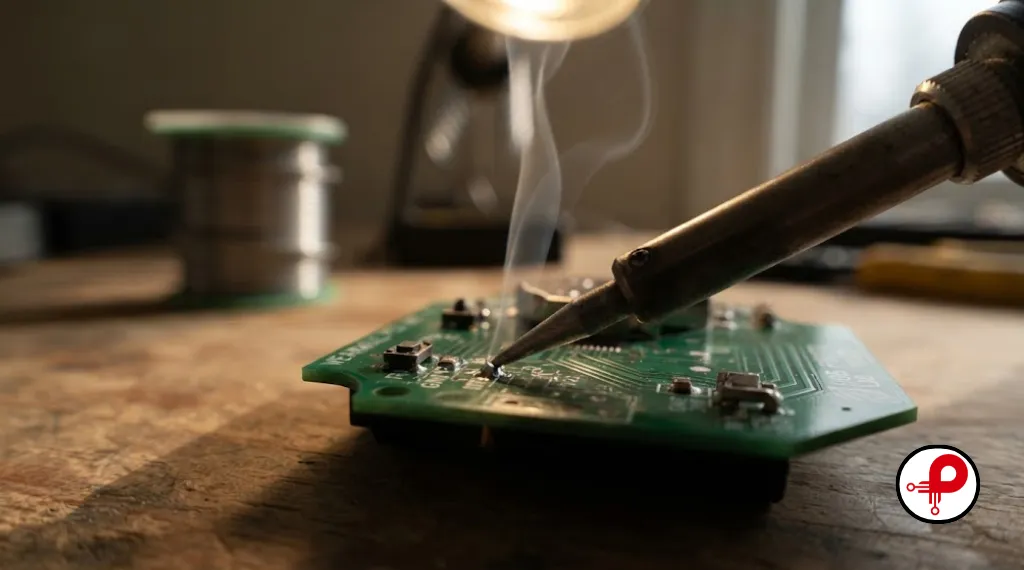
This is the core of wearable software development and hardware engineering combined. We have broken it into the stages that a professional product design team typically follows, based on how competing engineering resources structure their own process guides and on standard product development workflows used across the industry.
Step 1: Concept, Requirements, and Feasibility
Every wearable project starts with a use case, not a chip selection. Before any PCB design or firmware architecture is decided, the team needs to answer basic questions: What is being measured or delivered? Who is the end user? Does the form factor need to be a wrist band, a ring, a patch, a clip, or smart fabric? What battery life is acceptable, and what regulatory category does the product fall into?
This stage also involves a feasibility pass on sensors, wireless protocols, and power budget. Teams building their first connected product often benefit from reviewing a general hardware development for startups roadmap before locking in specifications, since early mistakes in this phase are the most expensive to fix later. Some concepts also start from a hand built or legacy circuit that needs to be understood before it can be modernized, and in that case a reverse engineering electronic circuits process helps map out an existing design before a wearable version is built around it.
Step 2: Industrial and Product Design
Wearable devices live directly on the human body, so ergonomics, comfort, and durability decisions happen early and in parallel with electronics. Industrial product design engineering work here covers enclosure shape, strap or band material, waterproofing rating, and how the device will be charged. Teams working with a US based manufacturing partner often lean on established electronics prototyping and product design in USA services to move from sketch to a testable prototype faster.
Design teams now work with materials such as flexible PCBs, medical grade hypoallergenic silicones, sapphire glass, and titanium alloys that are lightweight, water resistant, and durable enough for real world conditions. Material choice at this stage directly constrains what the PCB and battery teams can do later, so the two disciplines need to move together, not in sequence.
Step 3: PCB Design and Component Selection
This is where most of the hard engineering happens. A wearable PCB has to fit sensors, a microcontroller, a radio, power management circuitry, and often an antenna into a board that may be smaller than a postage stamp and curved to match the enclosure.
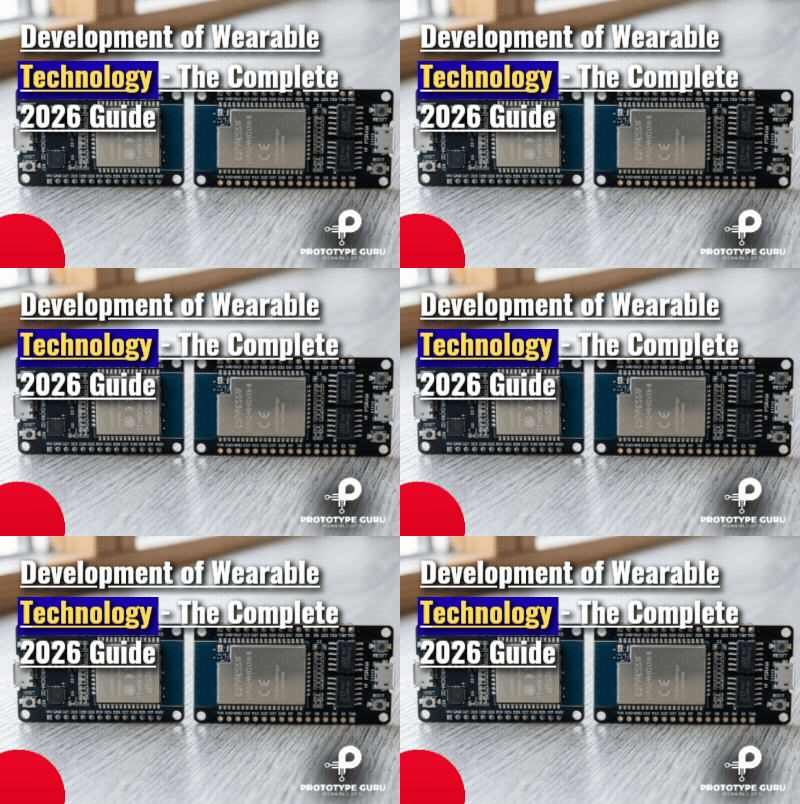
Common microcontroller choices for connected wearables include low power Bluetooth capable chips. Many teams reference a detailed esp32 pcb design guide when planning connectivity heavy wearables, since the ESP32 family is a popular starting point for Bluetooth and Wi-Fi enabled prototypes before a team moves to a fully custom, lower power radio.
Because wearable PCBs are dense and layered, following an established PCB manufacturing and assembly process and a documented PCB manufacturing process early prevents costly redesigns. It also pays to review common PCB design mistakes before finalizing a layout, since routing errors that are trivial to fix on a large industrial board become nearly impossible to fix once a wearable enclosure is tooled.
Step 4: Power and Battery Engineering
Battery life is one of the top three trust factors for wearable buyers, and it is also one of the hardest engineering problems. Devices that require frequent charging interrupt data collection and break the behavioral patterns users rely on, so longer battery life is what turns a wearable into an always on tool rather than an occasional accessory.
Lithium based cells dominate this category because of their energy density, but they require careful protection circuitry. A properly designed lithium ion battery protection circuit prevents overcharge, over discharge, and thermal runaway, which matters even more in a device worn directly against skin. Teams also increasingly explore kinetic and solar assisted charging to reduce how often a device needs to be plugged in.
Step 5: RF, Connectivity, and EMI Management
Wearables are IoT wearable technology by definition, which means wireless connectivity is non negotiable. Most devices rely on Bluetooth Low Energy for phone pairing, and understanding how does Bluetooth work in embedded systems and IoT is essential before laying out an antenna next to a battery and a set of biometric sensors. Teams building their first connected prototype can also learn the fundamentals from a guide on how to make a Bluetooth device.
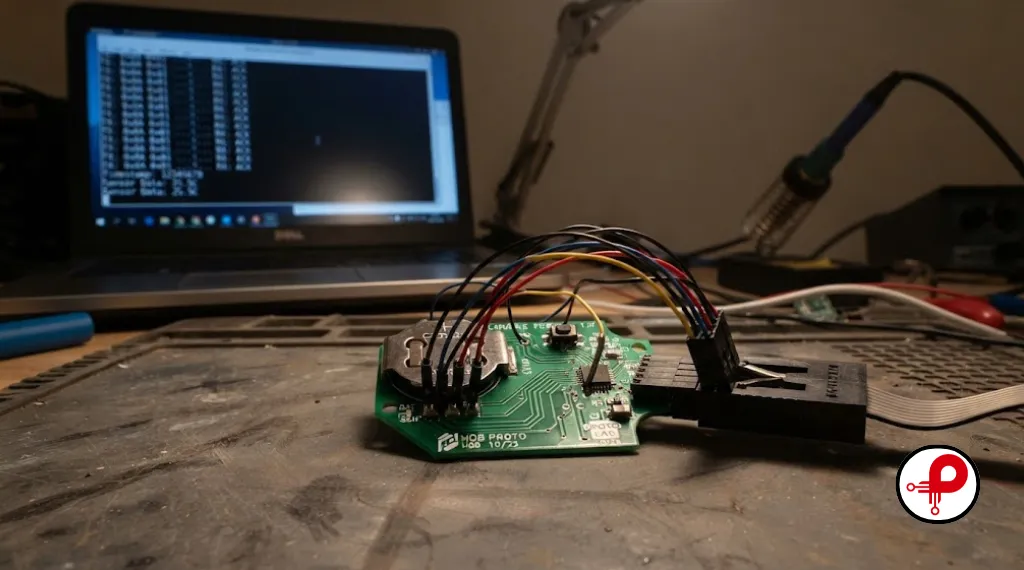
Cramming a radio, a switching power supply, and sensitive analog sensors into a few square centimeters creates a textbook electromagnetic interference problem. This is one of the most underestimated parts of wearable product development. Engineers dealing with erratic sensor readings or dropped Bluetooth connections should start by reviewing EMI issues, causes, examples and fixes and, for boards with more layers, how to minimize EMI in a 4 layer PCB layout. High frequency switching noise issues are especially common in wearables because of tightly packed DC to DC converters sitting next to RF sections.
Once a board is stable on the bench, formal electromagnetic compatibility testing confirms the product will pass regulatory emissions and immunity requirements before it goes to market. In tougher cases, teams add EMI shielding materials or design proper EMI EMC filters to keep switching noise away from sensor front ends.
Step 6: Sensors and Biometric Accuracy
This is the step that separates a toy from a trusted health device. Wearable sensor technology now commonly includes photoplethysmography for heart rate, accelerometers and gyroscopes for motion, temperature sensors, and in more advanced products, bioimpedance or optical sensors for blood oxygen and early stage glucose trends.
The broader industry direction is AI that can predict cardiovascular risk by analyzing trends in heart rate, blood pressure, and activity levels rather than simply reporting raw numbers, which means 2026 is the year AI wearables start becoming genuinely predictive instead of purely reactive. Getting there requires clean, low noise sensor data, which loops directly back to the EMI and PCB layout decisions made in the earlier steps.
Step 7: Firmware, App, and Cloud Software
Once hardware is stable, firmware handles sensor sampling, power management, and low level Bluetooth communication. The companion app then handles data visualization, onboarding, and syncing with health platforms. Custom wearable solutions increasingly include cloud based AI models that turn raw sensor streams into actionable coaching, not just charts.
Step 8: Manufacturing, Assembly, and Quality Control
Moving from a working prototype to thousands of shipped units introduces new failure points. Surface mount technology soldering guide practices matter enormously at this stage since wearable boards use extremely fine pitch components that are easy to misplace or bridge during reflow. The automated optical inspection working principle explains how manufacturers catch soldering defects at scale before a board ever reaches final assembly, which is critical when a single defective board means an entire sealed enclosure has to be scrapped. Wearables with onboard audio feedback, such as guided coaching cues, sometimes borrow design patterns from projects like an ESP32 audio player using the YX5300 MP3 module.
Types of Wearable Devices Compared
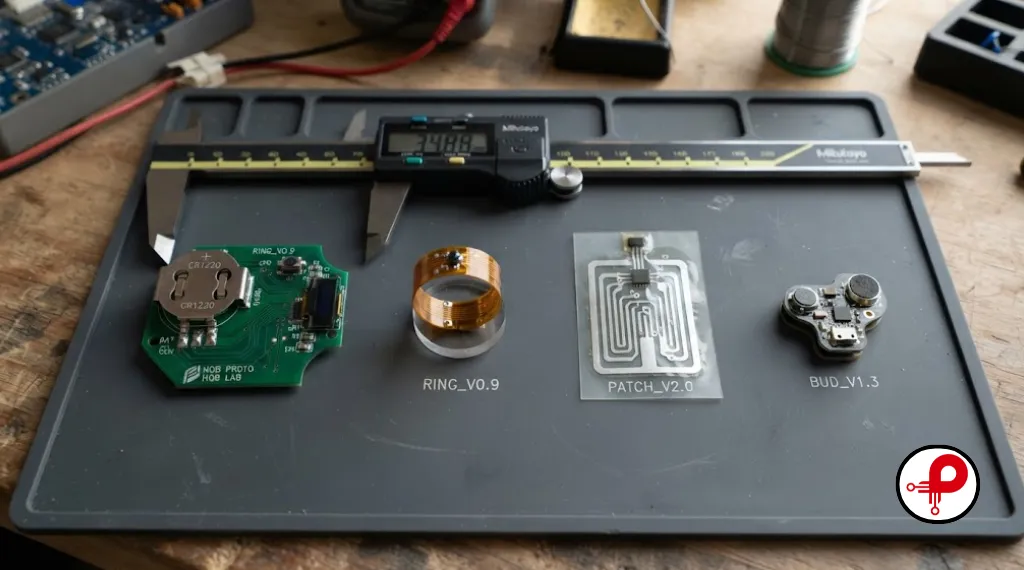
Different wearable categories carry very different engineering priorities. The comparison below reflects how form factor drives design trade offs across the wearable technology development process.
| Device Type | Primary Sensors | Battery Life Target | Main Engineering Challenge | Typical Connectivity |
|---|---|---|---|---|
| Smartwatch | Heart rate, SpO2, GPS, accelerometer | 1 to 7 days | Display power draw, thermal management | Bluetooth, Wi-Fi, sometimes LTE |
| Smart ring | HRV, temperature, motion | 4 to 10 days | Extreme miniaturization, no screen | Bluetooth Low Energy |
| Fitness band | Heart rate, motion, sleep | 5 to 14 days | Cost control at scale | Bluetooth Low Energy |
| Smart glasses | Camera, microphone, display | 4 to 10 hours active | Weight distribution, heat near the face | Bluetooth, Wi-Fi |
| Medical patch | ECG, glucose trend, temperature | Days to weeks (disposable) | Biocompatibility, regulatory clearance | Bluetooth Low Energy |
| Smart hearable | Audio, HRV, temperature | 4 to 8 hours + case | Acoustic and RF coexistence | Bluetooth |
| Smart fabric | Muscle activity, gait, strain | Task dependent | Washability, flexible circuitry | Bluetooth Low Energy |
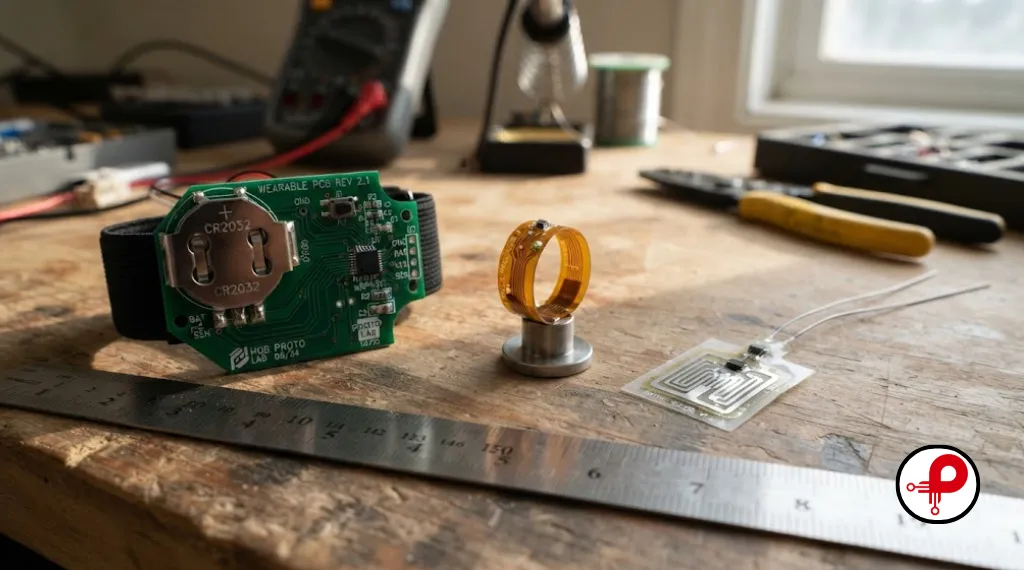
Smart rings like the Oura Ring 4 and Samsung Galaxy Ring now combine sleep quality, heart rate variability, and daily activity into a single readiness style score, with battery life routinely stretching past ten days, making them one of the most practical form factors for continuous health monitoring. Smart fabrics have also moved from niche athletic gear into everyday wear, with shirts and socks embedded with micro sensors that track muscle engagement and gait symmetry, while kinetic charging that converts body movement into small amounts of electricity is starting to reduce battery anxiety across the category.
Healthcare Wearable Solutions and Regulatory Reality
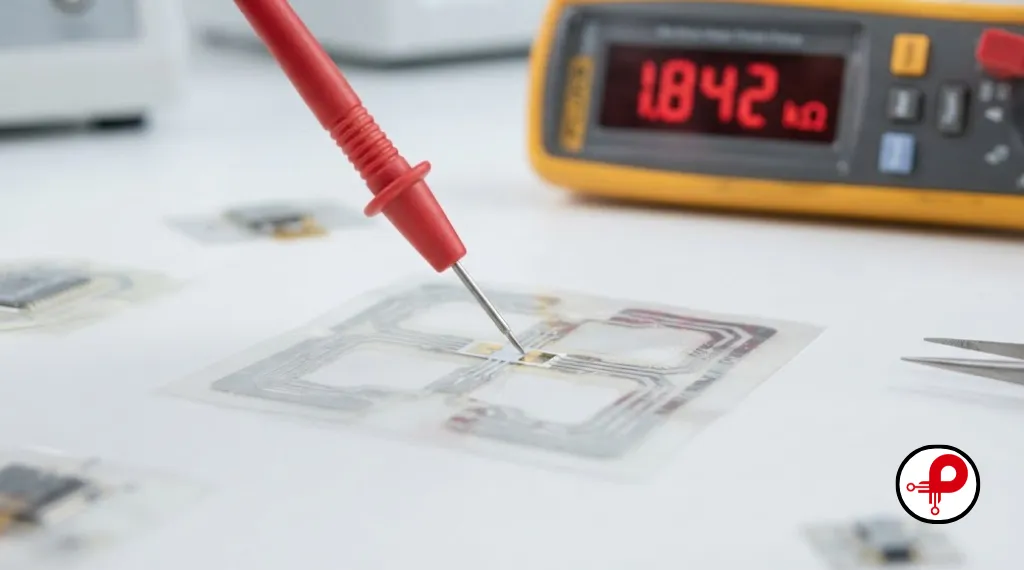
Medical wearable devices are the fastest growing and most scrutinized part of this industry. In April 2025, WHOOP received FDA 510(k) clearance for an ECG feature, moving a pure fitness device into medical territory, and in the same month Dexcom announced FDA clearance for its G7 15 Day CGM System with improved accuracy. A few months later, Biolinq received FDA De Novo Classification for a forearm patch that tracks glucose, activity, and sleep for people with non insulin dependent type 2 diabetes.
Modern wearables enable near-zero intervention for chronic conditions like diabetes and hypertension. By automating encrypted data transmission to provider dashboards in compliance with HIPAA, these devices ensure the high level of reliability required for effective clinical care.
This operational shift is only viable when the underlying PCB, sensor, and firmware design successfully resolve fundamental accuracy and signal interference challenges, ensuring consistent performance in sensitive medical environments.
Regulatory approval is the primary catalyst for insurance reimbursement and mainstream market adoption. Healthcare wearable solutions must integrate regulatory strategy as a core parallel workstream from the design phase, rather than treating it as an afterthought.
AI Wearable Technology: Where the Real Value Is
AI has become a major focus in wearable technology marketing, yet actual user adoption remains limited. Only a small percentage of users regularly engage with AI-powered personalized insights because recommendations often feel unclear or disconnected from daily habits. In contrast, users prefer practical features like goal tracking and progress reports. This shows that wearable devices must deliver actionable, contextualized health guidance rather than simply presenting raw data.
-
Limited AI Adoption
Many wearable users ignore AI insights because recommendations often feel too generic, confusing, or unrelated to their everyday lifestyle, reducing long-term engagement and trust.
-
Preference for Clear Guidance
Users are more likely to use features that provide measurable goals, progress tracking, and structured feedback that supports consistent health improvement habits.
-
Need for Actionable Insights
Wearable devices should transform health data into simple next-step recommendations that users can immediately apply in daily fitness or wellness routines effectively.
-
Importance of Contextualization
AI systems become more useful when they explain health trends within the user’s personal habits, schedule, activity levels, and lifestyle patterns accurately.
-
Role of Edge Computing
Processing data directly on wearable devices improves response speed, reduces internet dependency, and strengthens user privacy by limiting external data sharing risks.
-
Future of Wearable AI
The future success of wearable AI depends on balancing advanced analytics with practical, easy-to-understand recommendations that genuinely improve user health experiences consistently.
Common Engineering Challenges in Wearable Product Development
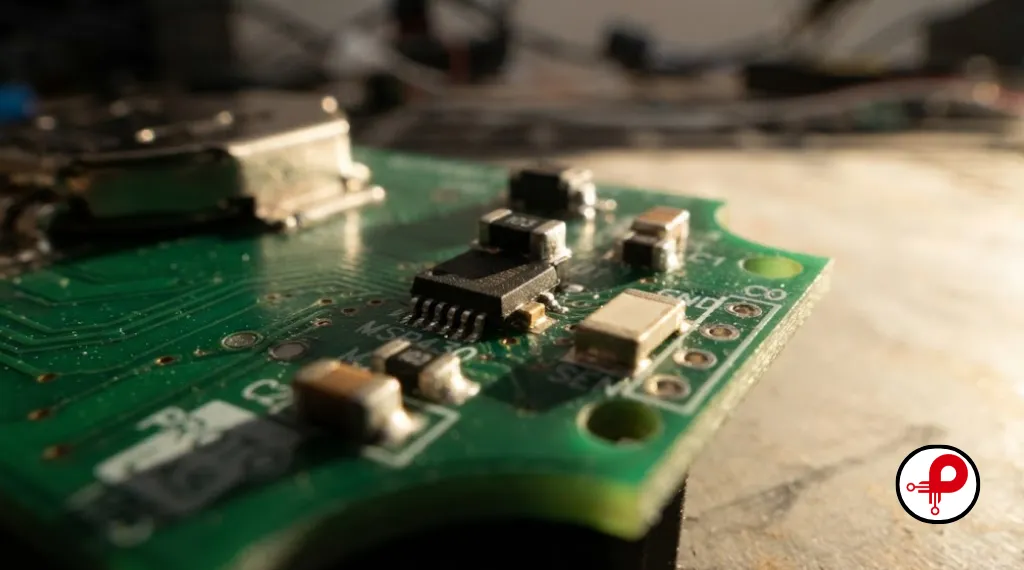
Building smart wearable devices involves several technical and design challenges. Hardware teams must balance miniaturization, battery efficiency, comfort, sensor accuracy, and regulatory compliance while ensuring reliable performance. Wearable devices require careful engineering because limited space, continuous usage demands, and strict medical standards make development more complex and sensitive than traditional consumer electronics.
Wearable devices must fit sensors, antennas, and batteries into compact designs while controlling electromagnetic interference to maintain reliable signal quality and successful compliance testing outcomes.
Adding advanced sensors, displays, and wireless connectivity increases power consumption, making battery optimization essential because wearables have very limited physical space for larger batteries.
Materials used in wearable devices must remain skin-friendly, lightweight, and comfortable for extended use while avoiding irritation and encouraging consistent daily user adoption.
Biometric sensors require firmware corrections for motion, sweat, and skin differences, while strict medical compliance regulations often increase testing complexity and development costs.
Custom Wearable Solutions vs Off the Shelf Modules
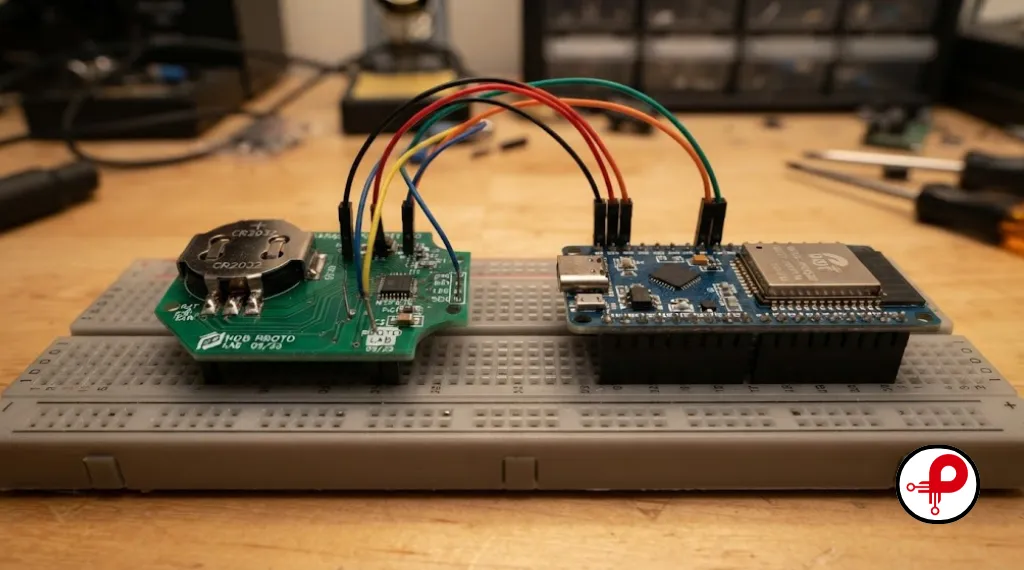
One of the earliest strategic decisions in any wearable product development project is whether to build a fully custom PCB or start from an off the shelf development module. This decision affects cost, time to market, and long term flexibility, and it deserves its own dedicated evaluation through resources like custom PCB design vs off the shelf solutions.
| Factor | Off the Shelf Module | Fully Custom PCB |
|---|---|---|
| Time to first prototype | Fast, often days | Slower, typically weeks |
| Unit cost at scale | Higher | Lower once volume increases |
| Form factor flexibility | Limited | Full control |
| Power efficiency | Moderate | Optimized for the specific product |
| Best fit | Early proof of concept | Production ready consumer product |
Many teams reasonably start with a module such as an Arduino based board for early validation. An Arduino Uno Q guide is a useful reference point for teams sketching out sensor logic before committing to a final embedded architecture, even though most consumer wearables eventually move to a smaller, purpose built microcontroller layout for production.
Cost Factors in Wearable Product Development
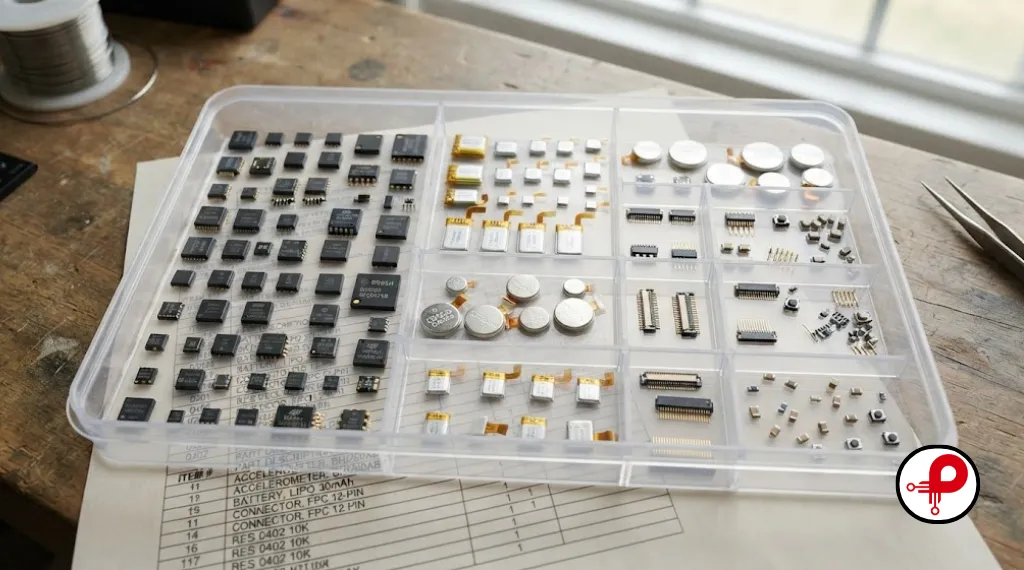
Wearable technology development costs vary enormously depending on complexity, but a few cost drivers show up consistently across projects.
Sensor selection and calibration dominate bill of materials cost in health focused wearables, since medical grade accuracy usually requires more expensive, better validated components. PCB layer count and flexible circuit requirements add cost quickly, especially in curved or bendable form factors. Battery certification and protection circuitry are non negotiable safety costs that should never be trimmed. Compliance testing, including electromagnetic compatibility testing and, where applicable, medical device certification, is often underestimated in early budgets. Manufacturing tooling for a sealed, waterproof enclosure typically requires more precise molds than a standard consumer electronics enclosure.
Teams comparing engineering calculators during early design work often find utilities like a wire AWG size conversion calculator, a capacitance conversion tool, or a series and parallel capacitor calculator useful for quick sanity checks during power and sensor circuit design, alongside broader planning tools such as a computer power supply wattage calculator when prototyping bench setups.
Wearable Technology Trends to Watch
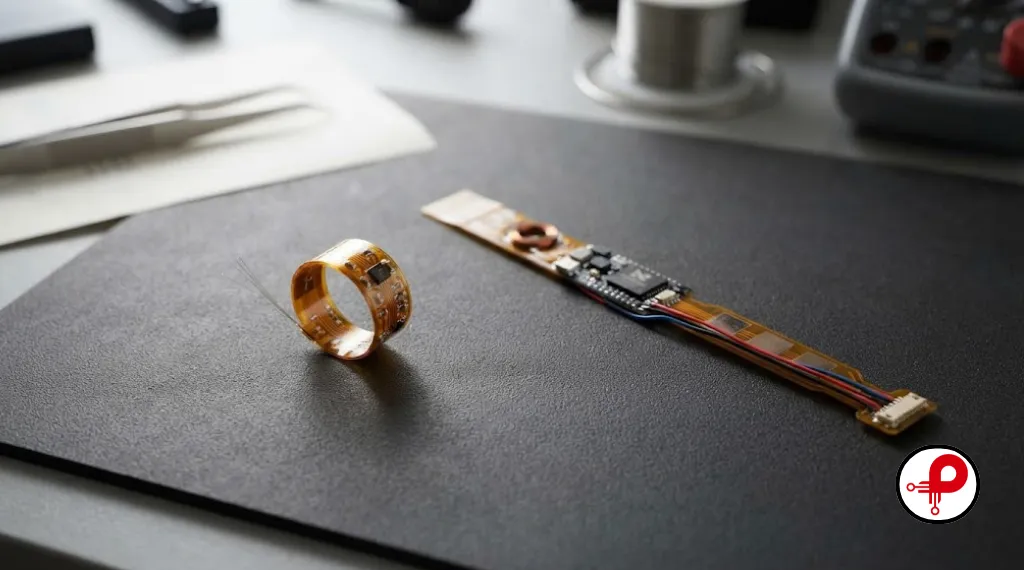
Roughly two in five new wearables now ship with built in AI features, and the wearable AI market alone is projected to add USD 65 billion in incremental growth by 2030, with commercial momentum increasingly coming from healthcare integration rather than new form factors alone.
A few trends stand out as the ones most likely to shape the next 12 to 24 months of wearable tech innovations.
Screenless & Invisible Wearables
Devices are shifting away from displays toward smart bands and AI-powered pendants that rely on haptics and audio, reducing distraction and simplifying industrial design.
Smart Glasses Inflection
Meta AI Glasses, developed with Ray-Ban and Oakley, combine an AI assistant with an integrated head-up display, pushing smart glasses toward mainstream consumer adoption.
Non-Invasive Glucose Monitoring
2026 marks the arrival of non-invasive glucose sensors in premium smartwatches and specialized skin patches, moving beyond dedicated medical hardware into the consumer space.
Clinical-Grade Indoor Positioning
Bluetooth 6.0 Channel Sounding enables sub-meter accuracy, allowing response teams to pinpoint floor-level locations during emergency wearable alerts.
Sleep Tracking Scalability
The sleep optimization market is set to reach USD 20.8 billion by 2035 with a 19% CAGR, with wearable devices already capturing 72% of this growing market.
Anyone tracking PCB design trends more broadly will notice these product trends are really downstream of steady hardware progress: smaller radios, better power management silicon, and more accurate low power sensors.
Frequently Asked Questions
What is the development of wearable technology in simple terms?
↑How does wearable technology work at a hardware level?
↓What are the benefits of wearable technology for everyday users?
↓How long does wearable product development typically take?
↓Is AI necessary in modern wearable technology applications?
↓What is the biggest technical challenge in wearable technology development?
↓How does HIPAA compliance affect wearable design?
↓Why is regulatory strategy important from day one?
↓Final Thoughts
The development of wearable technology in 2026 sits at the intersection of hardware engineering, embedded software, and increasingly, clinical grade regulatory expectations. The market data is clear that this category is no longer a novelty segment. It is a fast growing, trust driven industry where accuracy, battery life, and thoughtful AI integration matter far more than flashy features.
Whether you are prototyping your first fitness band or engineering a medical grade continuous monitoring patch, the fundamentals stay the same: solid PCB design, disciplined EMI management, efficient power engineering, and firmware that turns raw sensor data into something a user can actually act on. Teams that treat each of these as equally important, rather than an afterthought behind flashy AI features, are the ones building wearables people trust enough to wear every single day.
For teams exploring their own custom wearable solutions, reviewing a broader consumer electronics product design guide alongside a dedicated hardware development for startups resource is a practical next step before committing to a final PCB architecture.